
Last updated November 22, 2026
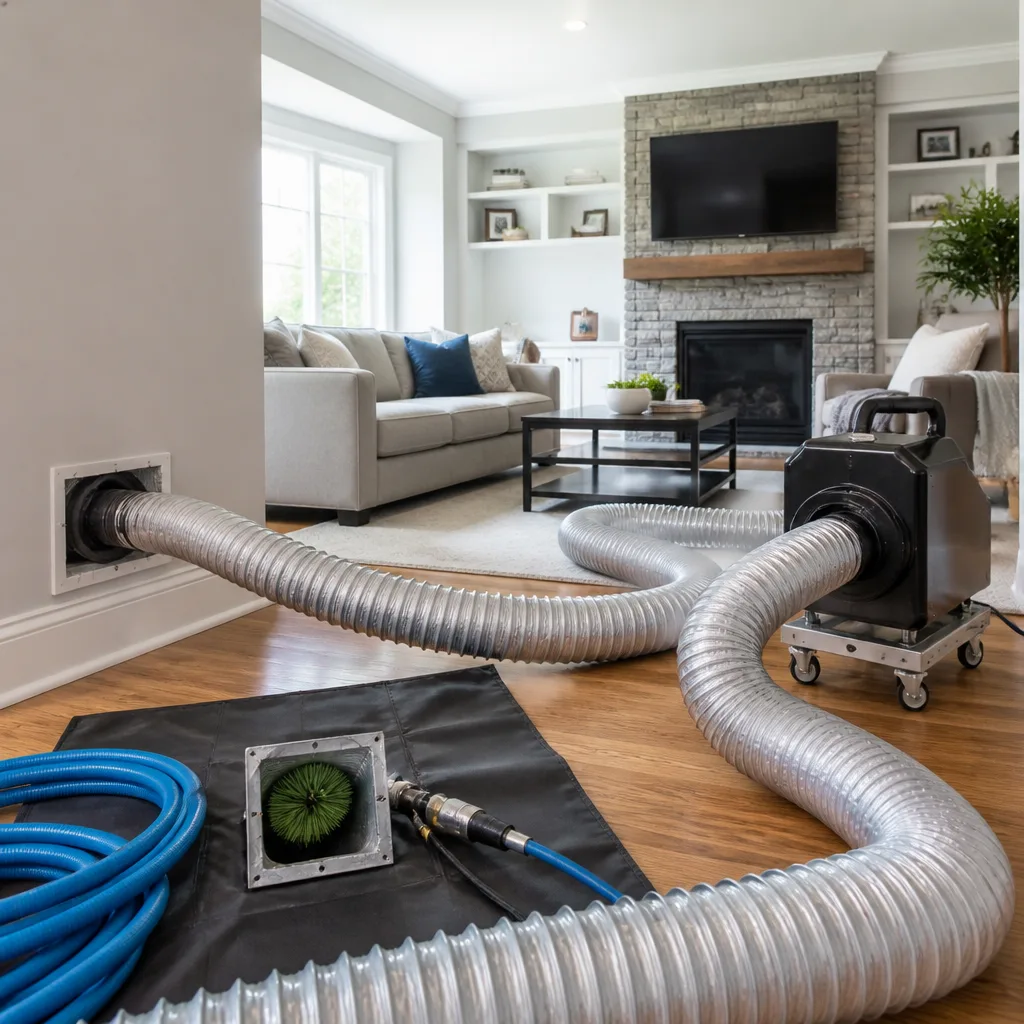 Whole-home duct cleaning
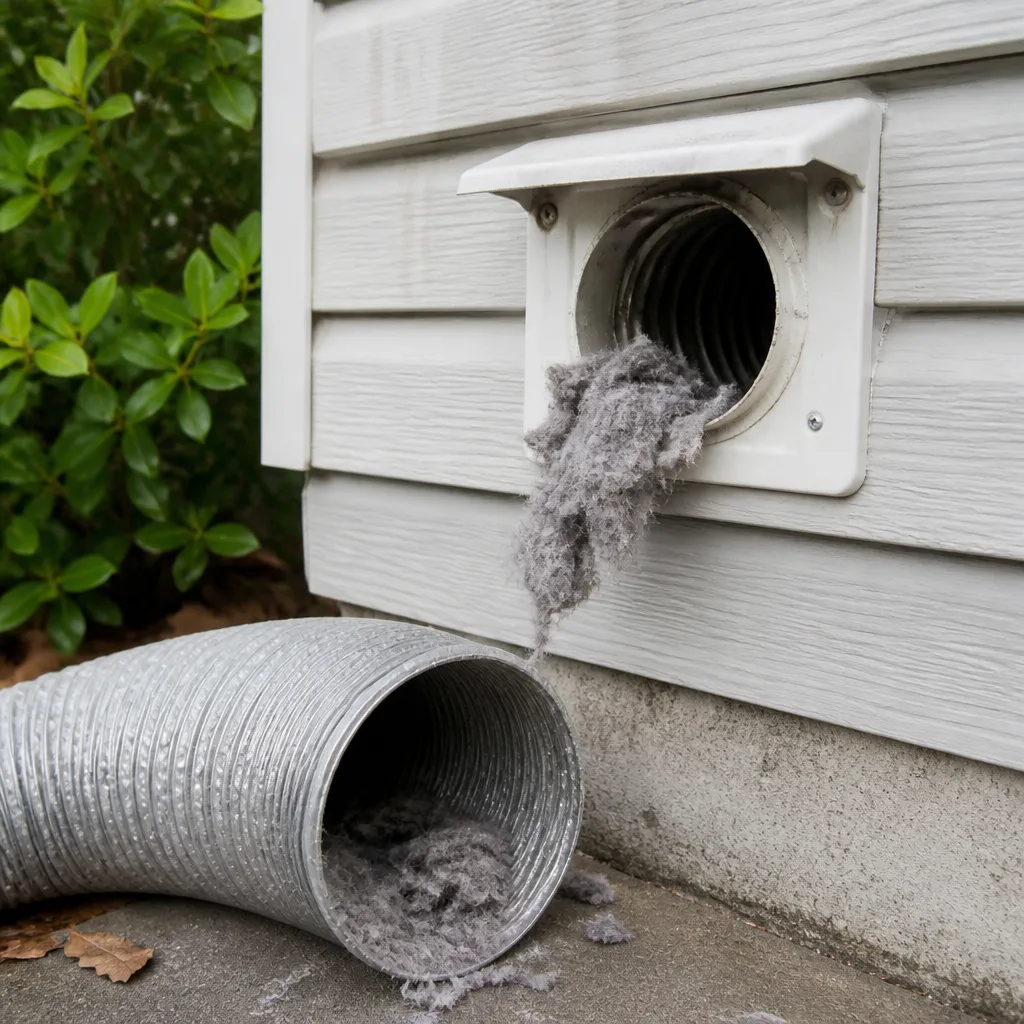 Dryer vent cleaning
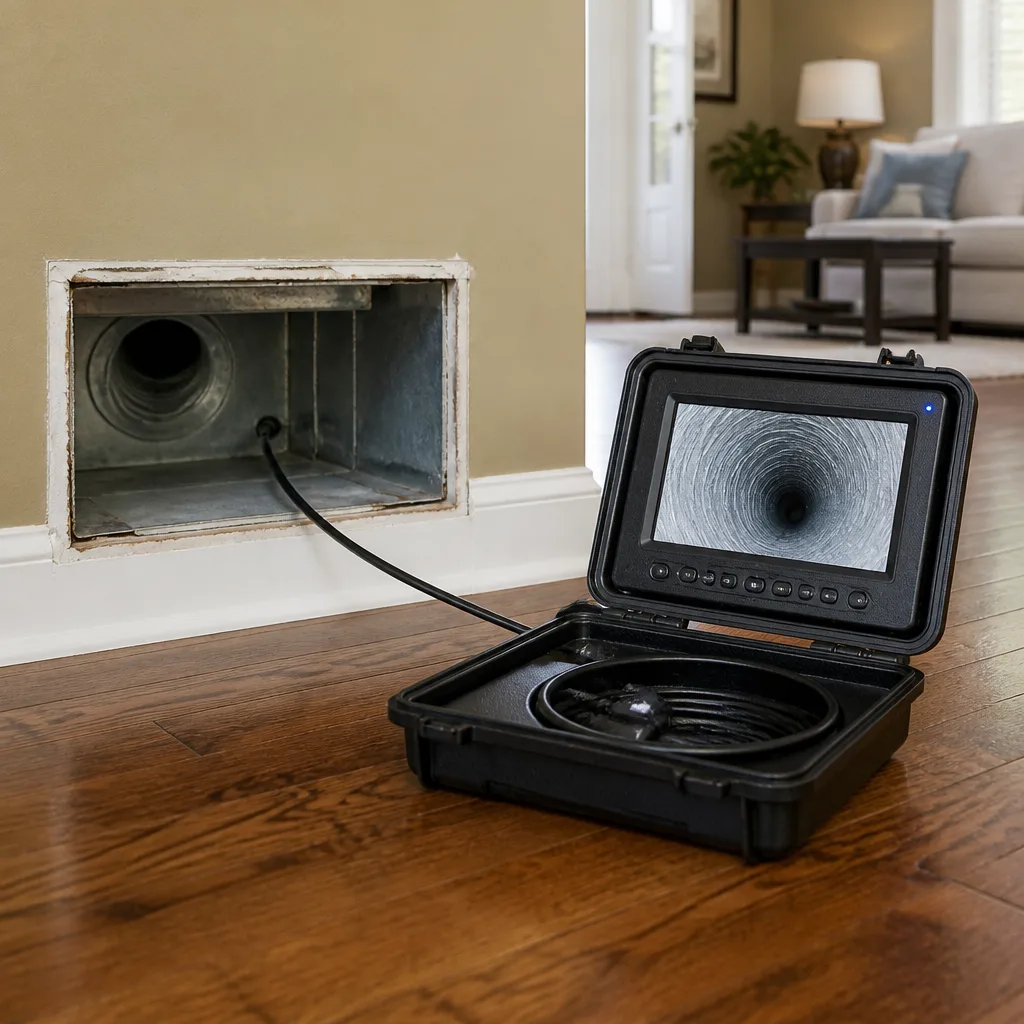 Camera inspection
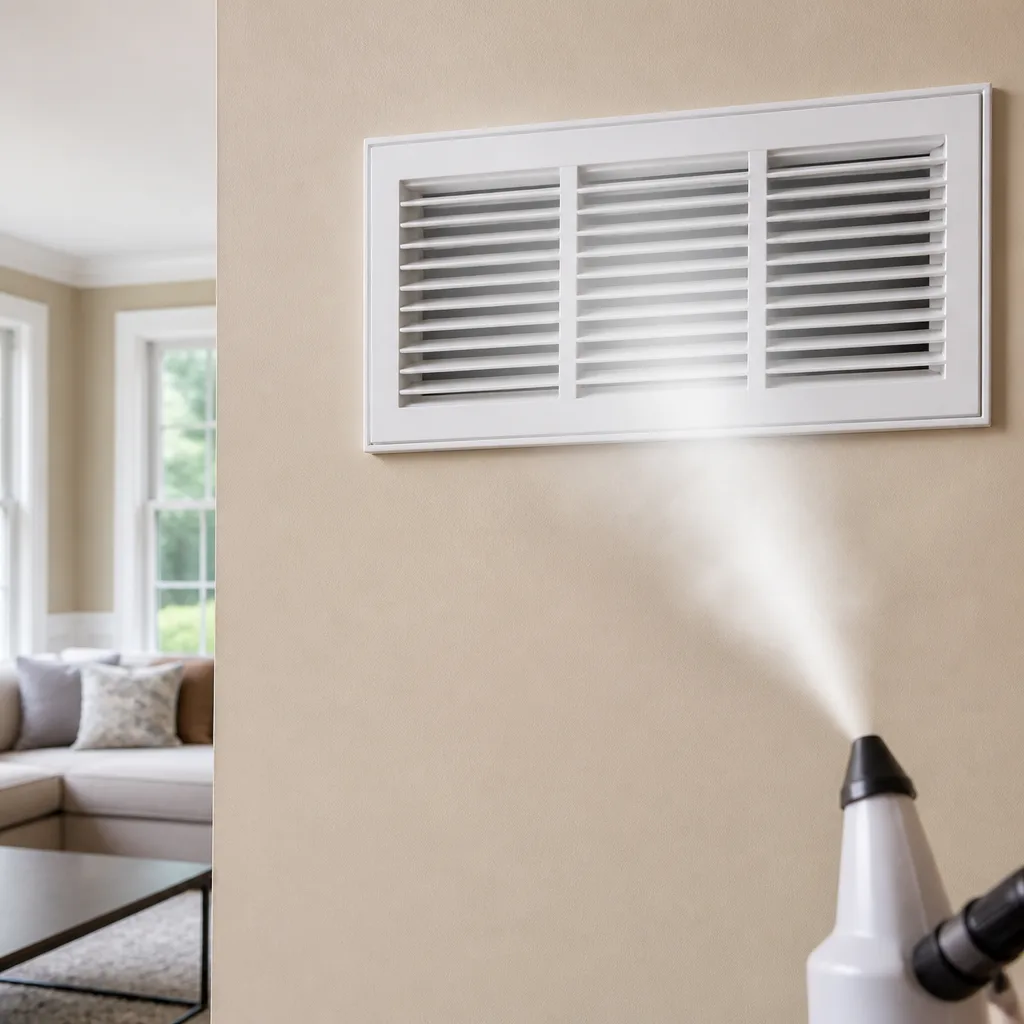 Sanitizing & deodorizing
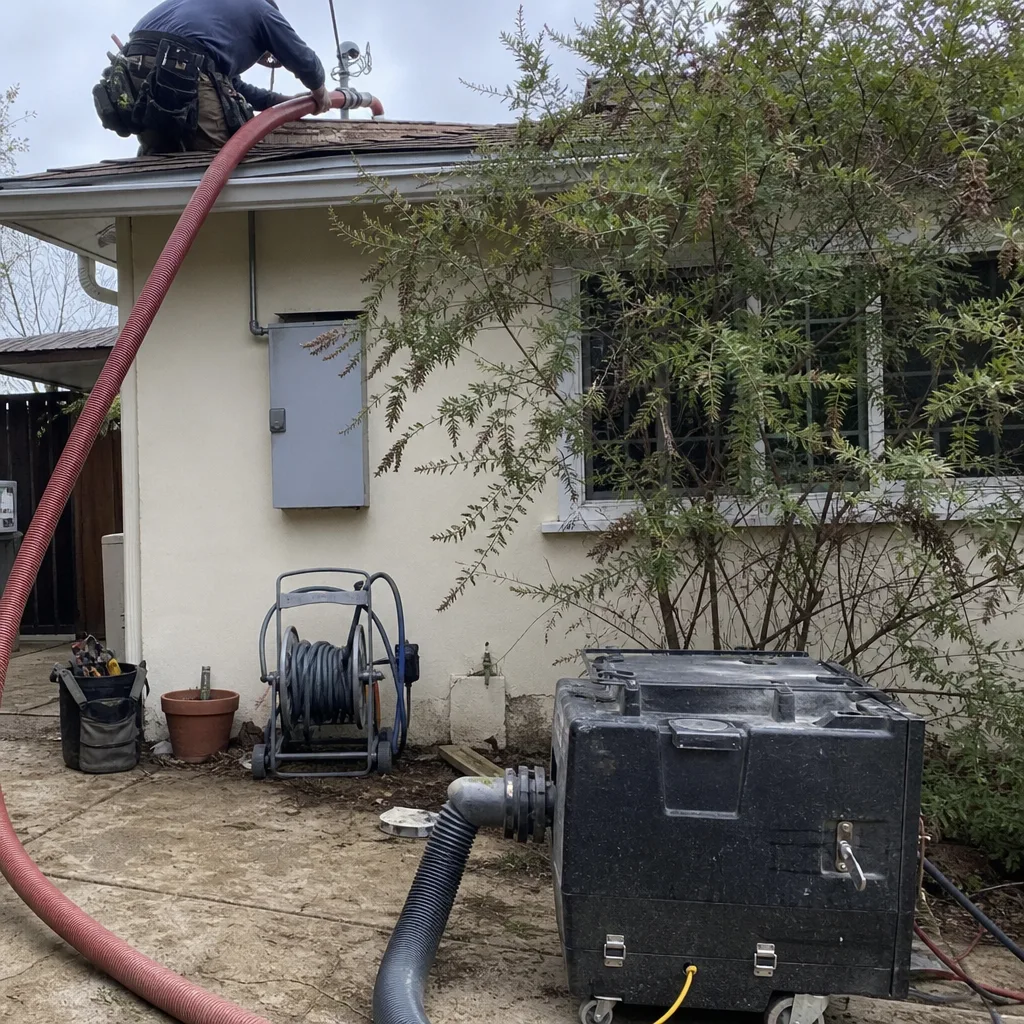
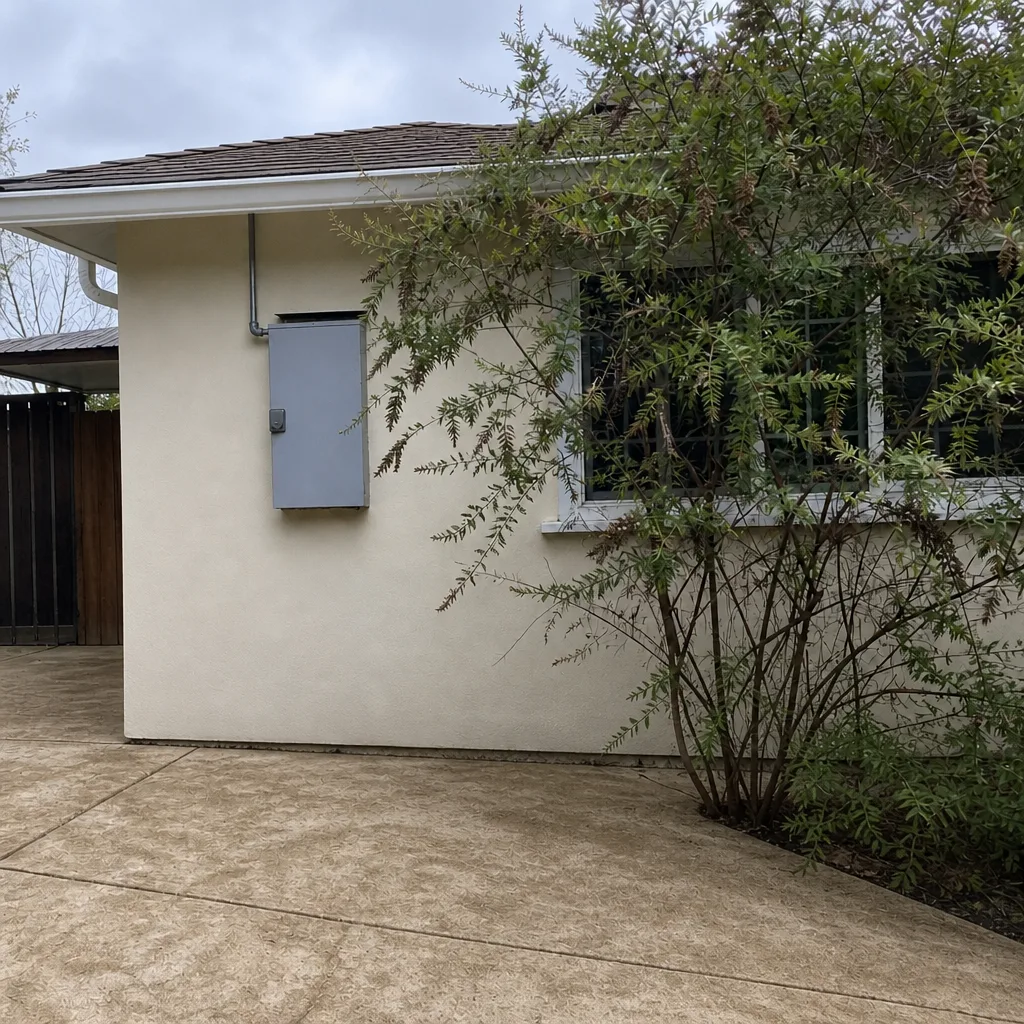
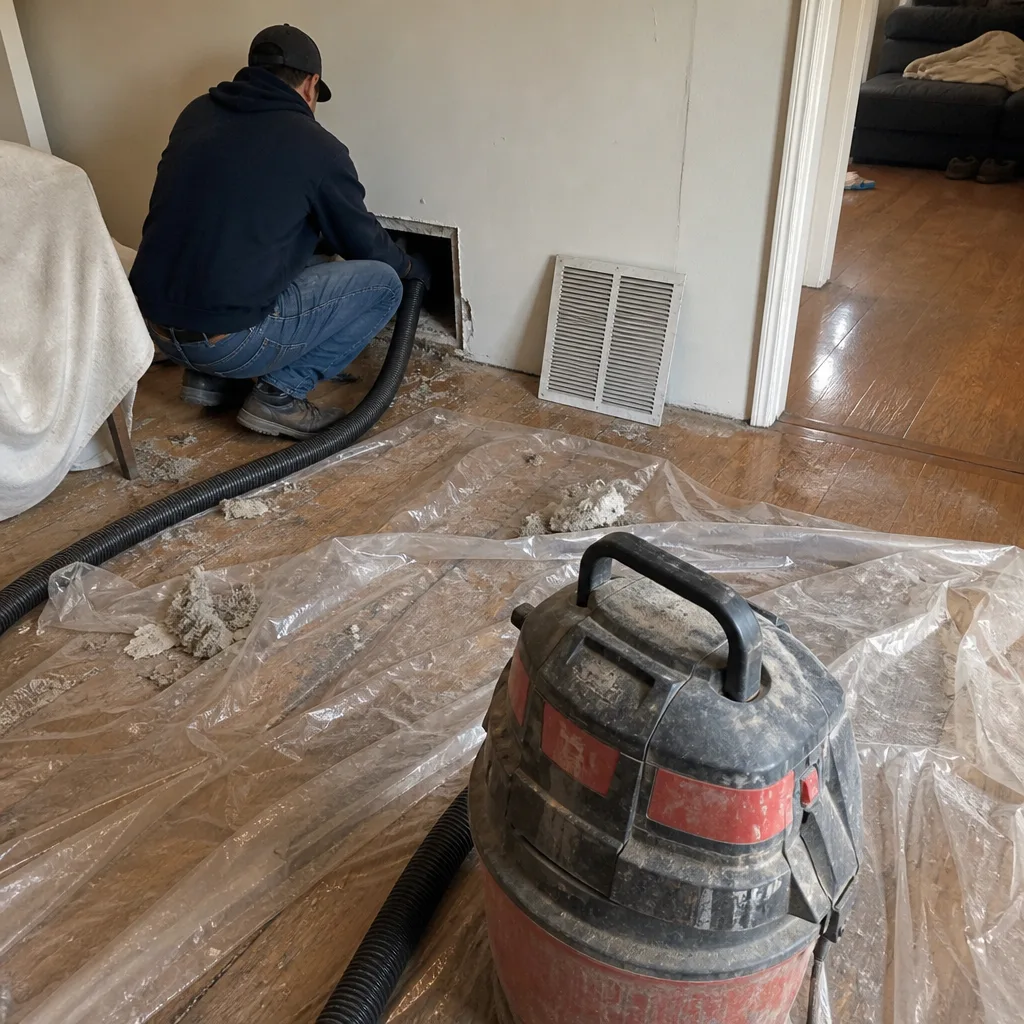
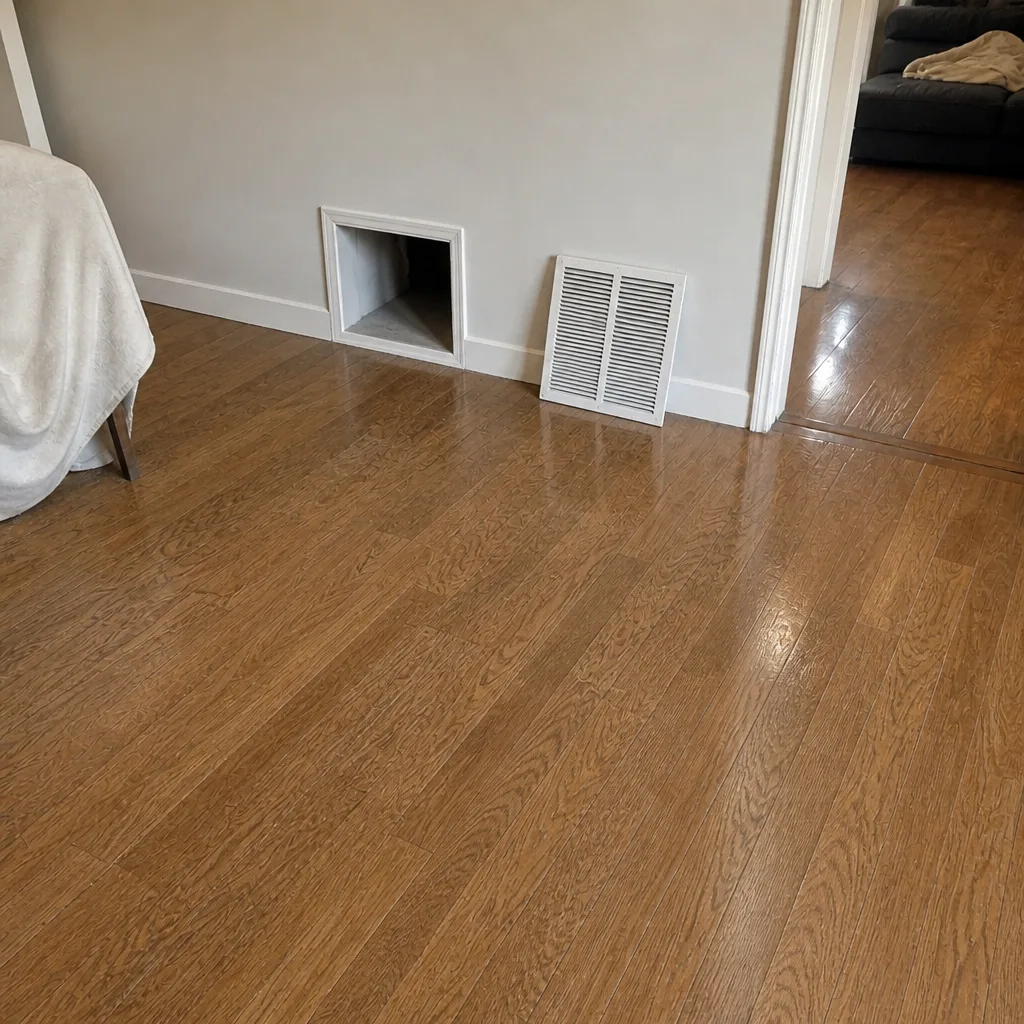
Whole-system duct and dryer vent check with before-and-after photos - you see exactly what came out of your vents
That "$99 whole-house special" is a bait ad - the real number appears once they are in your hallway, or the "clean" is a shop-vac at the register. We photograph the inside of your ducts before and after instead.
Air Duct Cleaning Troubleshooting in Silver Lake: Common Problems and How to Fix Them
Most people assume a dusty room means the ducts are dirty. Sometimes that’s true. But when ducts have already been cleaned and the dust, odor, or weak airflow comes right back, the problem usually isn’t dirt at all. It’s the duct work itself: a disconnected joint, a crushed flex run, or a system that was never sized correctly for the house. In Silver Lake, where so many Craftsman and Spanish Revival homes had central air added long after they were built, these mechanical problems are common and easy to misread as simple contamination. This guide walks you through a diagnostic sequence so you know what you’re actually dealing with before anyone shows up at your door.
Quick Answer
Air duct problems in Silver Lake almost always fall into one of three categories: contamination (dust, mold spores, odors), mechanical failure (crushed, disconnected, or leaking ducts), or pressure imbalance (a system that can’t move air evenly because of sizing or sealing problems). Cleaning fixes the first. Repair and sealing fix the second and third. The trick is diagnosing which one you have, because cleaning a damaged system wastes money and cleaning a system with a pressure problem won’t stop the dust from coming back. A short register-level test, described below, helps you tell them apart before you call.
Styles & brands we work with
- Whole-home duct cleaning
- Dryer vent cleaning
- Camera inspection
- Sanitizing & deodorizing
Table of Contents
- How Do You Tell Contamination From Mechanical Problems?
- What Does a Disconnected or Crushed Duct Look Like?
- Why Do Older Silver Lake Homes Have Chronic Duct Problems?
- How to Run a Simple Tissue-Paper Pressure Test
- When Is Re-Cleaning the Right Fix and When Isn’t It?
- Why Sealing Before Cleaning Sometimes Makes Sense
- What Air Quality Treatment Adds Beyond Cleaning
- How to Choose a Duct Service That Actually Diagnoses
How Do You Tell Contamination From Mechanical Problems?
The first step in troubleshooting is sorting your symptoms into two buckets. Contamination symptoms are about what’s in the air. Mechanical symptoms are about how the air moves. Most homes have a little of both, but knowing which one dominates tells you what kind of fix you need.
Contamination symptoms include:
- A musty or stale smell that gets stronger when the system first kicks on
- Visible dust settling on surfaces within a day or two of cleaning
- Worsening allergy symptoms indoors that ease when you leave the house
- Dark streaks or spotting around registers and grilles
Mechanical symptoms look different:
- Weak airflow at some registers while others blast strong
- Rooms that never reach the thermostat setting no matter how long the system runs
- Temperature swings of several degrees between rooms on the same floor
- A whistling or rushing sound at one register and near silence at another
- Higher energy bills without a change in how you use the system
Here in Silver Lake, the two often overlap because a leaky duct pulls in attic or crawlspace air, which then reads as a dust problem. That’s the key insight: the contamination is real, but it’s a symptom of a leak. Cleaning the ducts without sealing that leak means the dust returns. If your symptoms are mostly about air movement and uneven temperature, lean toward a mechanical diagnosis first. If it’s mostly about what the air smells and feels like, contamination is the lead suspect, but check for leaks anyway.
What Does a Disconnected or Crushed Duct Look Like?
A disconnected or crushed duct section is one of the most misdiagnosed problems in home HVAC. It masquerades as a dirty duct because the room it serves gets stale, dusty, or under-conditioned, and the obvious fix looks like cleaning. In reality, a duct that’s come apart at a joint or been crushed under flooring is dumping conditioned air into a wall cavity, attic, or crawlspace instead of into the room.
Register-level clues that point to a physical duct failure:
- One register has far less flow than the others. If a single room is chronically stuffy while the rest of the house is fine, that branch is suspect. Feel the airflow with your hand or a tissue before you do anything else.
- Dust accumulates near one register more than others. A disconnected joint upstream of that register pulls unfiltered air through the gap, so the dust concentrates there.
- The register grille is cold or warm but the room isn’t. That means conditioned air is reaching the register but leaking out along the run before it gets there.
- You hear a rattle or hum at one vent that wasn’t there before. Flex duct that’s come loose or collapsed can vibrate against framing.
- A recent remodel or flooring job preceded the problem. Ductwork under a floor that’s been worked on is a common casualty.
If any of these match, cleaning alone will not restore that room. You need the duct found, repaired, and sealed first. This is exactly the situation our Air Duct Cleaning Silver Lake team runs into when a homeowner calls about a “dirty duct” that turns out to be a disconnected run. We use Rotobrush equipment for the mechanical cleaning, but before that, we look for the physical break. Without that step, cleaning is just moving dust around.
Why Do Older Silver Lake Homes Have Chronic Duct Problems?
Silver Lake’s housing stock is one of the reasons duct problems here behave differently than in newer subdivisions. Many of the neighborhood’s Craftsman bungalows and Spanish Revival homes were built without central air. When HVAC systems were retrofitted later, the ductwork had to be threaded through attics, crawlspaces, and under floors that were never designed for it. That retrofit process often produces the exact conditions that cause chronic airflow and dust problems.
The specific patterns we see repeatedly in Silver Lake:
- Mismatched sizing. A retrofit often uses whatever flex duct fits the available space rather than what the room actually needs. A branch sized too small starves the room of airflow; one sized too large delivers too much and throws off the whole balance.
- Long, winding runs. Older homes don’t have straight chases, so ducts get snaked through odd paths. Every turn costs pressure, and the room at the end of a long run usually suffers.
- Undersized return air. Retrofits often skimp on the return, which makes the whole system work harder and pull air through gaps instead of the return grille.
- Ductwork crammed against hot attic decking or roof framing. In Silver Lake’s mild winters this isn’t about freezing; it’s about heat gain in the attic that makes the air arriving at a register warmer than the thermostat expects.
- Joints that were never properly sealed at installation. Older tape dries out and fails. Flex duct that was stapled or taped rather than mastic-sealed loses its connection over time.
The result is a system that’s structurally compromised in ways cleaning can’t fix. If you’re in a 1920s bungalow near the reservoir or a hillside Spanish Revival off Silver Lake Boulevard and you’ve cleaned the ducts before with no lasting relief, the sizing and sealing are the likely culprits. This is why we treat the diagnosis as the front end of the job, not an upsell.
How to Run a Simple Tissue-Paper Pressure Test
Before you call anyone, you can map where your system is losing air using nothing more than a piece of tissue paper. This won’t tell you everything, but it will tell you where the pressure is uneven and roughly where leaks are concentrated, which makes the conversation with any technician far more useful.
- Turn the system to fan-only mode. This runs the blower without heating or cooling so the airflow is steady and you won’t get hot or cold blasts while you work.
- Hold a single square of tissue at each supply register. Note which registers pull the tissue tight and which barely move it. Registers with weak pull are suspect branches.
- Hold the tissue near the register grille edges and the frame. If the tissue flutters against the wall or ceiling around the grille, air is leaking around the boot, not just through the vent.
- Check the return registers the same way. A return that can’t pull the tissue firmly is undersized or obstructed, which throws the whole system off balance.
- Compare rooms on the same floor. A big difference between two rooms that should be similar tells you a branch is either restricted, leaking, or disconnected.
- Walk the accessible attic or crawlspace while the fan runs. Feel for moving air at duct joints, where flex meets metal, and around the air handler connections. A hiss or a steady draft at a joint is a leak. Stop if the space is cramped or unsafe to enter; you’ve gathered enough from the registers.
What the results mean: strong flow everywhere means the system is likely contaminated rather than mechanically failing, and cleaning plus sanitizing may be the whole answer. Weak flow at one or two registers means a branch problem, and you’ll want that checked before cleaning. Weak flow everywhere means the blower, filter, or return is the issue, which is a different conversation. Either way, bring the notes with you. It shows you’ve done your homework and it points the technician at the right part of the system. For more on the full cleaning side, see our air duct cleaning page.
When Is Re-Cleaning the Right Fix and When Isn’t It?
Homeowners sometimes call for a second cleaning when the first one didn’t hold, and sometimes that’s the right call. Other times it’s throwing money at the wrong problem. Here’s how to decide.
Re-cleaning is likely the right fix when:
- The system was never properly cleaned the first time. A shop-vac job that skimmed the trunk line but skipped the branches leaves contaminants that migrate back. Professional mechanical agitation with a rotary brush reaches what a nozzle alone doesn’t.
- The home is newly occupied and the previous owners never had the ducts serviced.
- You’ve had significant construction, drywall, or flooring work done, which loads the ducts with fine debris.
- The system has been out of service for a long stretch and collected settled dust.
- You’ve had a pest or moisture event and the ducts need sanitizing as well as cleaning.
Re-cleaning is the wrong fix when:
- One room stays weak no matter how many times the ducts are cleaned. That’s mechanical, and it needs repair and sealing, not another pass.
- Dust returns within days of a cleaning. That points to a leak pulling in unfiltered air, so the leak has to close first.
- You see visible damage at a register boot or can feel a draft at a joint.
- The odor persists after a proper clean. Odors that hold on after cleaning usually mean the source is biological growth on the ducts or in the air handler, which needs treatment, not just removal of dust.
The honest answer is that a cleaning is only as good as the system it’s performed on. If the ducts are intact and sealed, cleaning works. If they aren’t, you’ll be back where you started. That’s why we look at the duct work first, not last.
Why Sealing Before Cleaning Sometimes Makes Sense
You might assume the order is always clean first, seal second. Sometimes it’s the other way around. If the diagnosis shows that the system is drawing air (and dust) through disconnected joints or open seams, sealing those breaches before cleaning prevents the job from being undone the moment the system kicks back on. This is the case for Duct Repair & Sealing as a core service rather than an afterthought: fixing the root cause stops energy loss and recontamination, and it means the cleaning you pay for actually holds.
When sealing-first makes the most sense:
- The pressure test shows a leak is pulling air from an attic, crawlspace, or wall cavity.
- Dust reaccumulates in one or two rooms faster than the rest of the house.
- The blower is drawing more than it should, and the return is short on capacity.
- Flex duct connections have come apart or lost their seal.
How a proper job handles the order:
- Diagnose the system: locate disconnected, crushed, or leaking sections and document what’s wrong.
- Repair the broken sections and seal joints with mastic or the appropriate method for the duct type.
- Clean with mechanical agitation and negative-pressure extraction, so dislodged contaminants are captured rather than pushed into the home.
- Treat the system with sanitizing to address biological growth and odor.
- Verify flow at the registers has evened out and that the leak is closed.
That’s the order we work in on complex jobs, and it’s how we make cleaning effective on the first attempt. One visit covers cleaning, repair, and sanitizing, so you’re not chasing problems across three appointments. Learn more on our HVAC cleaning page.
What Air Quality Treatment Adds Beyond Cleaning
Cleaning removes dust, debris, and the surface layer of what’s built up in the system. It does not kill mold spores, neutralizes odors at the source, or stop bacteria from settling on surfaces. That’s where Air Quality & Sanitizing comes in. It’s a separate step performed after cleaning, and it treats the biological and odor problems that dust removal alone leaves behind.
What the treatment covers:
- Biological contaminants, including mold spores and bacteria that collect in damp or poorly ventilated sections of ductwork
- Persistent odors that survive cleaning, which usually means the source is microbial growth or a residue the vacuum can’t lift
- Finishing the interior duct surfaces with protective products, using Guardsman in the sanitizing and finishing process so the surface resists recontamination longer
For Silver Lake homes, this matters more than it does elsewhere because the housing stock tends to have ducts in spaces that run humid. Crawlspaces under older homes and tight attic runs can trap moisture, and moisture is what turns ordinary dust into a growth environment. If your odor is musty rather than dusty, cleaning alone is a partial fix. The same visit that cleans and repairs can also sanitize, so the system comes out cleaned and treated, not just cleared.
We also install Honeywell and Aprilaire filtration and humidity control products, which means if the diagnosis shows the filtration is undersized for the house, we can address that at the same visit. A better filter doesn’t replace cleaning, but it slows the rate at which the ducts get dirty again. That’s a practical improvement, not a sales pitch. For property managers, this is often the single step that stops the recurring “the air smells stale” complaint from tenants.
How to Choose a Duct Service That Actually Diagnoses
The duct cleaning trade has a reputation problem. Low teaser prices that balloon once the technician is on-site are common enough that homeowners are rightly wary. The way to protect yourself is to pick a service whose first step is diagnosis, not a vacuum in the vent. Ask these questions before anyone starts.
Questions worth asking:
- Will you check for leaks and disconnected ducts before cleaning? A service that won’t look for mechanical problems will always find only dirt.
- What equipment are you using? Professional-grade mechanical agitation and negative-pressure extraction are the standard. Rotobrush rotary brushes and Nikro extraction equipment are purpose-built for residential and commercial ductwork. A repurposed shop vac is not.
- How do you keep dust out of the house? Containment matters. Abatement Technologies filtration and containment is remediation-class equipment, and it’s what keeps dislodged contaminants from recirculating into your living room during the job.
- Will I see before-and-after photos? You should. Photos of your own ducts, not a stock image.
- Is the price per system or per vent? We work on one flat price per system, agreed in writing before work starts. Per-vent pricing is often the mechanism behind the bait-and-switch.
- Can you handle repair and sanitizing in the same visit? If the answer is “that’s a different company,” you’ll be coordinating multiple trades and paying for multiple trips.
Our technicians have up to 11 years of experience, and we’ve seen enough misdiagnosed Silver Lake jobs to know that a five-minute inspection up front saves everyone a lot of grief. If you suspect your dryer vent is also a problem, that’s a separate safe-removal job; see our dryer vent cleaning page for how that’s handled. Dryer vents carry lint, not just dust, and they’re a fire-safety item worth treating on their own schedule.
Common Mistakes to Avoid
- Assuming dirt is the problem because the room is dusty. Dust returning fast often means a leak is pulling it in, not that the ducts are dirty. Seal first when a pressure test points to leakage.
- Cleaning a system with a disconnected duct. You’ll pay for a clean system that immediately fills back up with unfiltered attic or crawlspace air. Find the break first.
- Accepting a per-vent quote without understanding what’s included. A low per-vent number often hides extra charges once the technician arrives. Ask for one flat price per system, in writing, before work begins.
- Starting work without a containment setup. Without proper negative pressure and filtration, the act of cleaning can spread contaminants into the home. Ask how it’s handled.
- Skipping sanitizing after a musty-smell complaint. If the ducts smell, cleaning alone doesn’t address the biological growth causing it. Treat the system, don’t just clear the dust.
- Treating old Craftsman and Spanish Revival duct work as if it were new construction. Retrofitted systems with mismatched sizing need a diagnosis of the whole system, not a quick pass at the registers.
- Ignoring uneven temperatures as “just how the house is.” In Silver Lake, big swings between rooms are usually a duct sizing or sealing problem, and they’re fixable.
See the difference
 Before
 After
 Before
 After
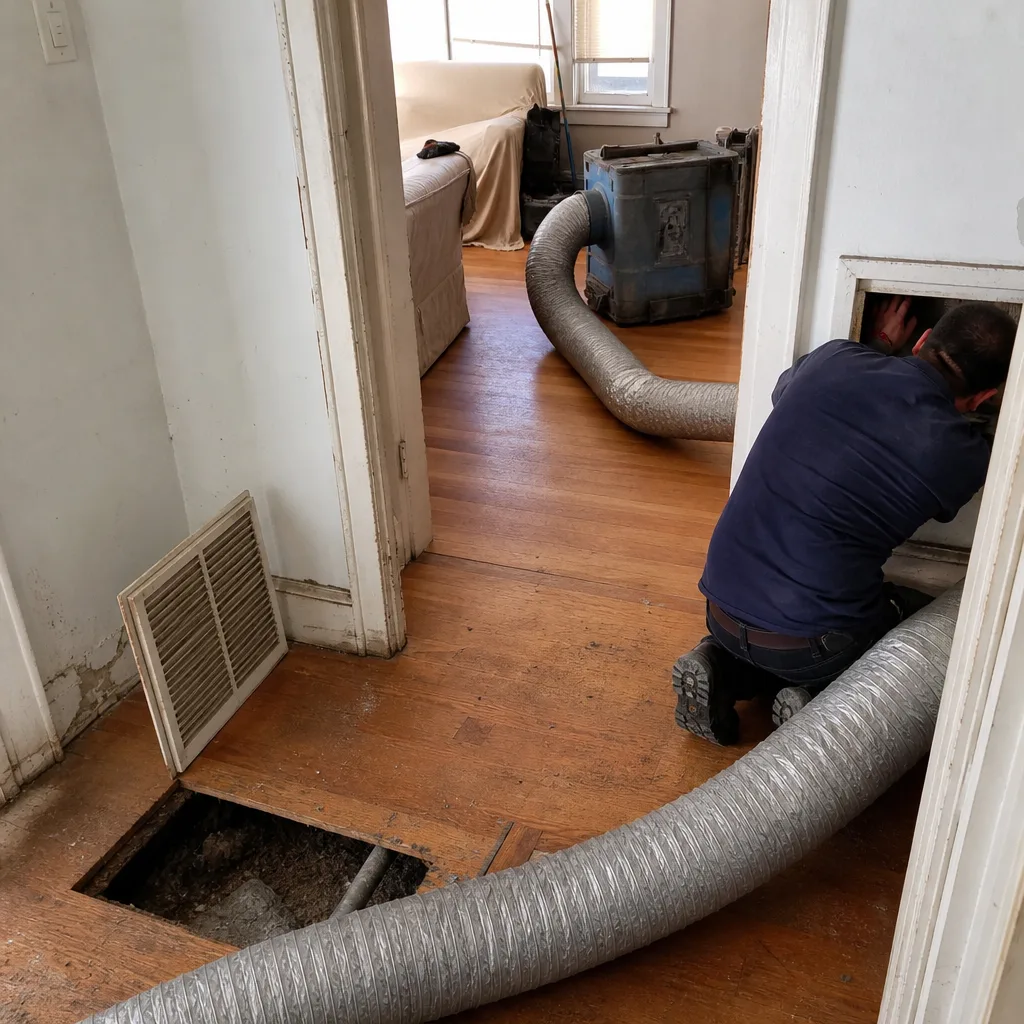 Before
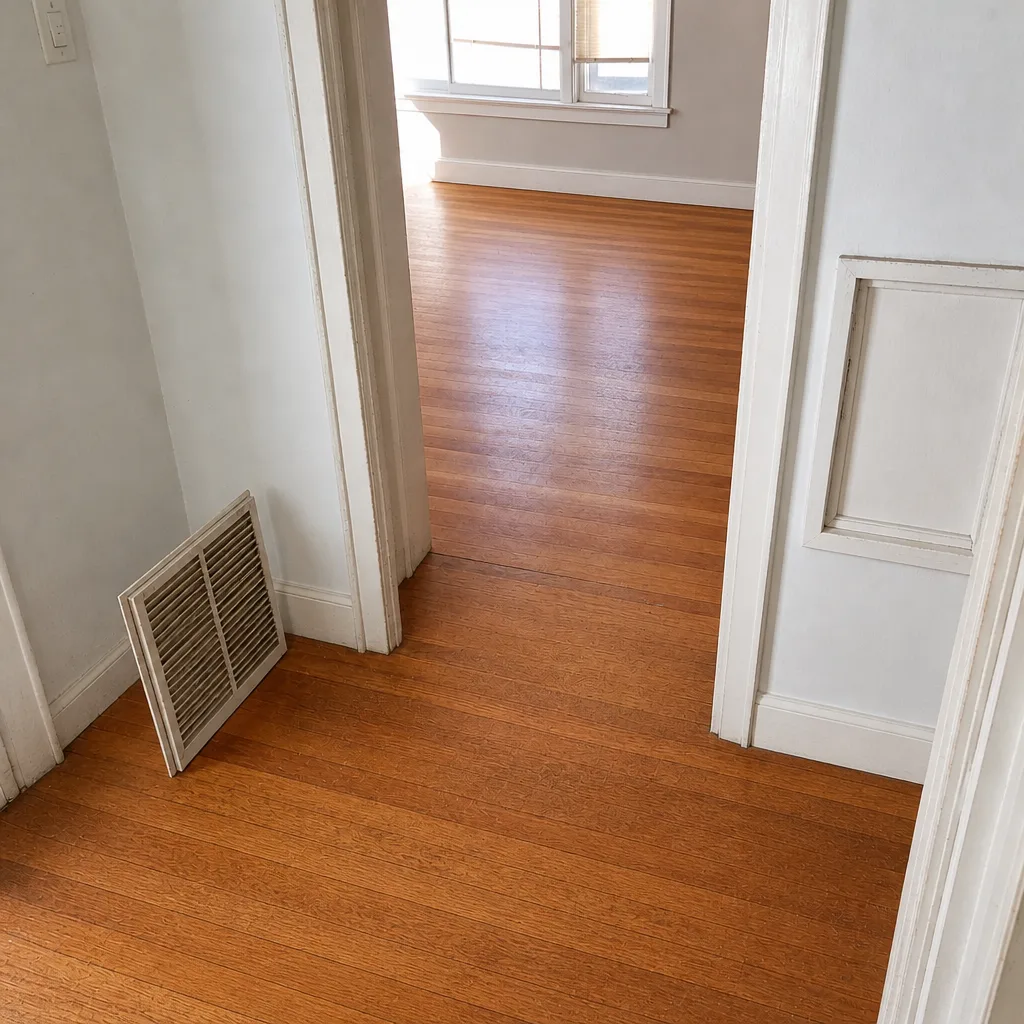 After
When to Call a Professional
Some things are worth a call the minute you notice them. Call a professional if your pressure test shows a room with almost no airflow while others are strong, if dust returns within a few days of cleaning, if you smell a musty odor every time the system starts, if you’ve had duct work disturbed by a remodel, or if you’re a property manager with a tenant complaint you can’t get to stay fixed. (A safety note: work in attics and crawlspaces carries fall, electrical, and confined-space risks, and duct systems themselves can involve electrical and sometimes gas connections, so any repair beyond a visual check belongs with a trained technician.) Air Duct Cleaning Silver Lake offers free estimates in Silver Lake. Call (877) 492-0146. We answer 24/7. Fast dispatch from 7am to 7pm, Sunday through Friday.
Frequently Asked Questions
Dust returning within days usually means a leak in the duct system is pulling unfiltered air from a crawlspace, attic, or wall cavity into the supply runs. Cleaning removes what’s in the ducts, but it can’t stop the leak that’s bringing new dust in. The fix is to locate and seal the leak, then clean. Call (877) 492-0146 for a free estimate that includes a leak check.
A disconnected duct typically shows as one register with much weaker airflow than the rest and heavier dust concentration at that register, often preceded by a remodel or flooring job. The tissue-paper test described above will flag the weak branch, but confirming and repairing the break needs a technician. Call (877) 492-0146 to schedule a diagnostic visit.
Often yes. Craftsman and Spanish Revival homes in Silver Lake frequently had central air retrofitted after construction, which can leave mismatched duct sizing, long winding runs, and undersized returns. Those are structural conditions that cleaning can’t resolve, so a full-system diagnosis before cleaning is the right starting point.
We quote one flat price per system, agreed in writing before work starts, with no per-vent pricing and no surprise add-ons once the technician is on-site. Exact cost depends on the size of your system, the number of branches, and whether repair and sanitizing are needed. Call (877) 492-0146 for a free estimate.
Low quotes are often teaser pricing that converts to a much larger invoice once the technician is on-site, or they skip containment, agitation, and extraction entirely. A cheap job with a shop-vac, no repair capability, and no sanitizing is a different service. Ask what equipment is used and whether the price is flat per system. Call (877) 492-0146 to compare an honest quote.
You should get before-and-after photos of your own ducts, not a stock photo. A proper job also verifies that airflow at the registers evened out after cleaning and sealing. If a service can’t show you the state of your own system, that’s worth noting. Call (877) 492-0146 to schedule and see the difference.
For most Silver Lake homes, a professional clean every few years is reasonable, but the timing depends on the system: homes with pets, recent remodeling, or a history of moisture need it more often, and a sealed, well-maintained system holds its cleanliness longer. If you’ve never had a diagnosis, that’s a good place to start.
The Bottom Line
Air duct problems aren’t all dirt. Weak airflow, uneven temperatures, dust that returns fast, and odors that survive cleaning usually point to the duct work itself: a disconnected joint, a crushed run, a sizing mismatch from a retrofit, or a leak that pulls unfiltered air into the system. Diagnose before you clean. Run the tissue-paper pressure test, note which symptoms are about what’s in the air versus how it moves, and be wary of any quote that won’t look for mechanical problems. In Silver Lake’s older housing stock, this matters more than average. A good service cleans, repairs, seals, and treats the whole system in one visit, with one flat price agreed up front and before-and-after photos of your own ducts.
Call (877) 492-0146 for a free estimate. We answer 24/7. Fast dispatch from 7am to 7pm, Sunday through Friday.
Written by the team at Air Duct Cleaning Silver Lake.