
Last updated November 22, 2026
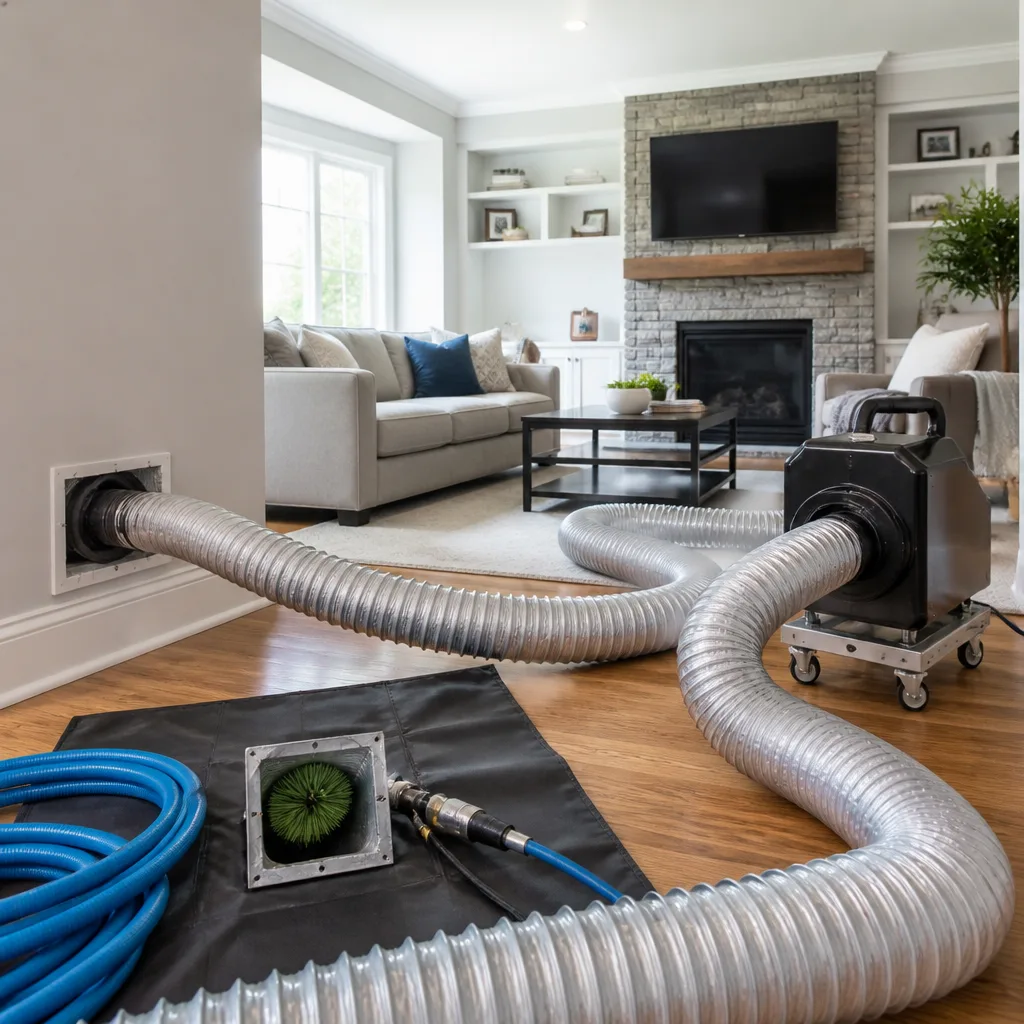 Whole-home duct cleaning
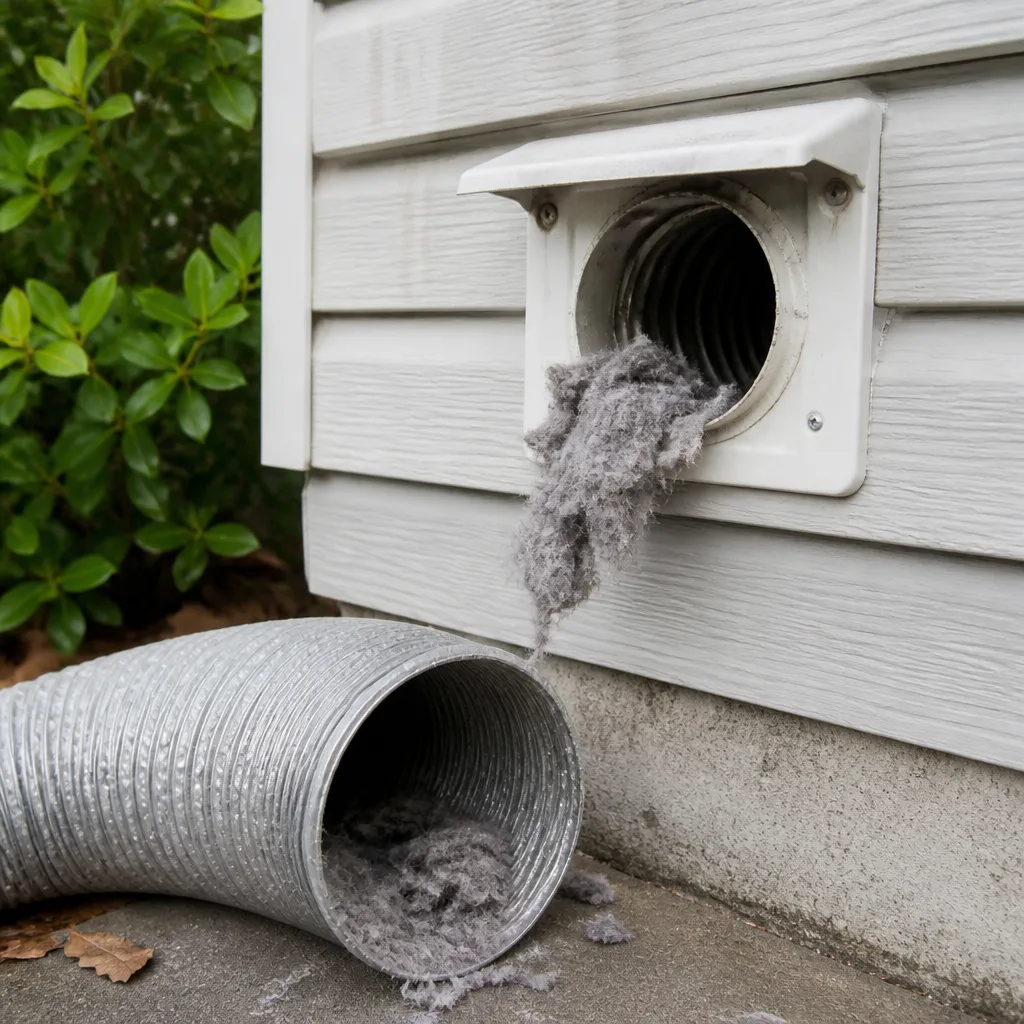 Dryer vent cleaning
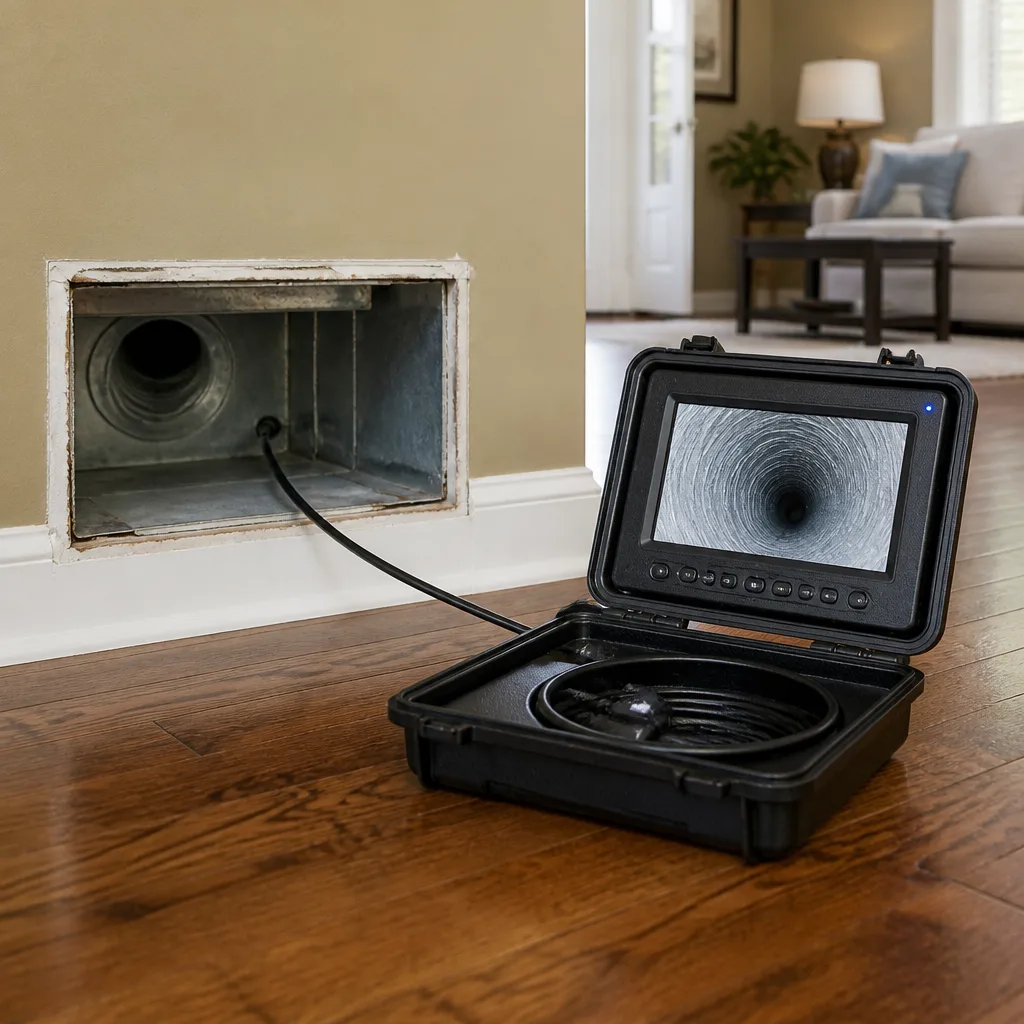 Camera inspection
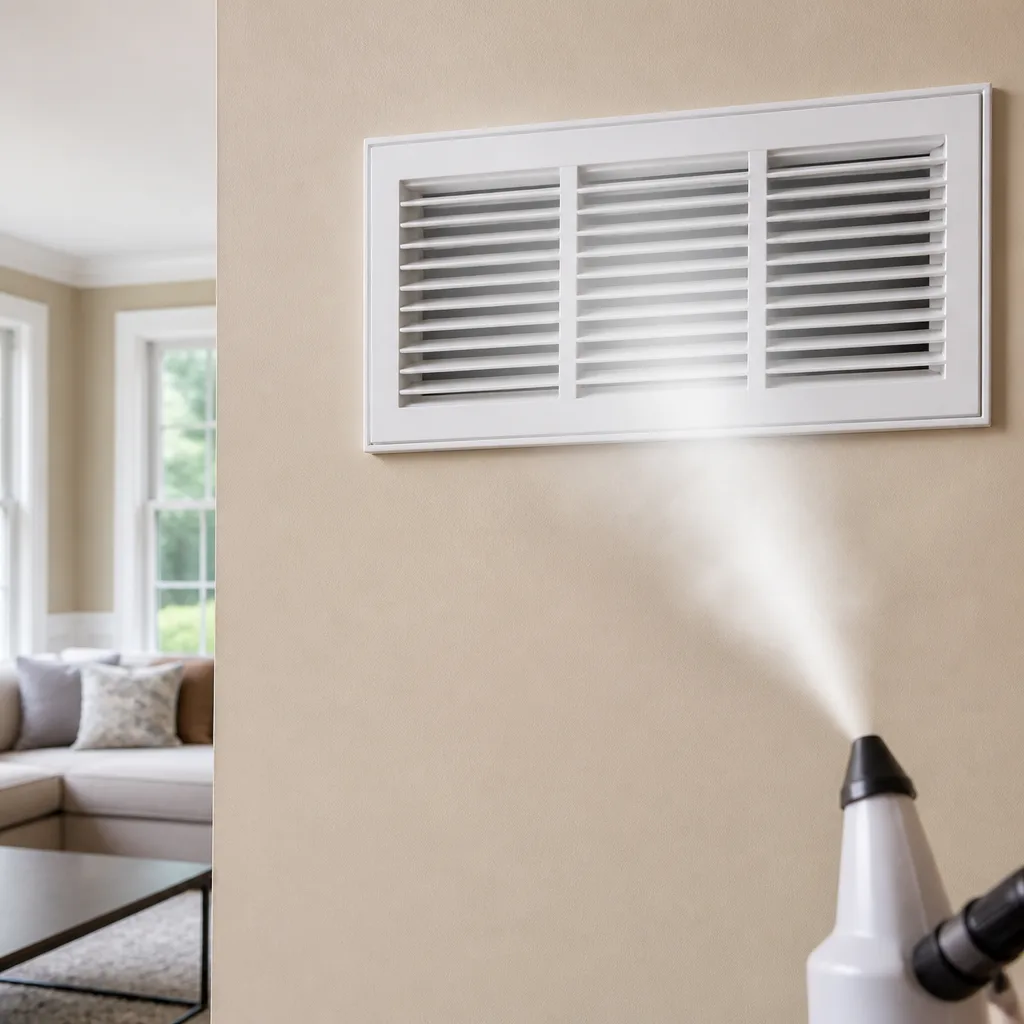 Sanitizing & deodorizing
Whole-system duct and dryer vent check with before-and-after photos - you see exactly what came out of your vents
That "$99 whole-house special" is a bait ad - the real number appears once they are in your hallway, or the "clean" is a shop-vac at the register. We photograph the inside of your ducts before and after instead.
DIY vs Professional Air Duct Cleaning: The Silver Lake Homeowner’s Decision Guide
Most homeowners who ask about DIY duct cleaning are picturing the wrong part of the system. A shop-vac and a hose can lift dust off a register grille in about a minute. That same setup cannot reach the main trunk line running through a Silver Lake attic, cannot scrub a length of older flex duct, and cannot tell you whether the dust you’re seeing is coming from a cracked joint three branches deeper. The real question isn’t whether you’re handy enough. It’s whether the problem you have lives somewhere a homeowner can actually reach. This guide maps that boundary for Silver Lake homes so you can make the call with a clear head.
Quick Answer
DIY air duct cleaning in Silver Lake is genuinely sufficient for three things: wiping register grilles and return faces, vacuuming the visible run of a single dryer vent, and keeping the area around vents clean between professional visits. Everything past the register – the trunk line, branch runs, coils, blower, and any contamination that has settled into the ductwork – needs rotary agitation, negative-pressure containment, and a technician who can see the inside of the system. If your concern is dust, odor, or a recent remodel, professional service is the honest answer.
Styles & brands we work with
- Whole-home duct cleaning
- Dryer vent cleaning
- Camera inspection
- Sanitizing & deodorizing
Table of Contents
- What DIY Tools Can and Cannot Physically Reach
- Three Scenarios Where DIY Is Genuinely Enough
- Five Situations That Require Professional Equipment
- How Silver Lake Housing Skews the Decision
- The Hidden Risk of DIY in a Contaminated System
- What to DIY Between Professional Cleanings
- What Each Path Actually Costs
- Common Mistakes to Avoid
What DIY Tools Can and Cannot Physically Reach
The capability gap between homeowner equipment and professional duct cleaning equipment is not about power. It’s about geometry. A standard residential duct system in Silver Lake is a branching network, and most of it is designed with no thought to access from the living space. Knowing where the wall is helps you judge which problems are yours to solve.
What a homeowner setup can reach
- Register and return grilles, both the face and the first few inches behind them
- The visible, open run of a dryer vent between the appliance and the exterior termination
- Loose dust on the floor and surfaces around each vent opening
- The interior of a short, straight return duct that has a nearby access panel, if one exists
- Filter slots and the surface of a filter, if the filter is accessible from a return grille
What it cannot reach
- Main trunk lines, which run horizontally through attics and interior chases
- Branch runs longer than a few feet, especially those with elbows or flex transitions
- The furnace or air handler interior, including the evaporator coil and blower wheel
- Any section of ductwork with no accessible opening in a straight line
- The underside of flex duct runs, where debris collects against the liner
- Contamination that has bonded to the duct wall and needs mechanical agitation to break loose
Professional cleaning uses purpose-built systems to do what a shop-vac can’t. Our technicians run Rotobrush rotary brush equipment to mechanically scrub and extract from the inside of the duct, paired with Nikro agitation and negative-pressure tools that pull loosened material back toward the extraction point instead of into the room. That’s the difference between wiping a register and cleaning a system.
The practical takeaway: if your concern starts at the grille and ends a few inches behind it, DIY will handle it. If your concern is what’s happening in the trunk line, the coil, or a long branch run, no homeowner tool gets there. For a full picture of what a complete clean includes, see our Air Duct Cleaning Silver Lake page.
Three Scenarios Where DIY Is Genuinely Enough
We’re not in the business of talking homeowners out of work they can do themselves. There are real cases where a homeowner approach is the right one, and calling a professional would be money spent solving a problem that doesn’t exist. Here are the three.
- Surface debris on registers and vents. If you’re seeing visible dust on the face of the grilles or a light film around the vent opening, that’s a surface issue. A vacuum with a brush attachment and a damp cloth handles it. Do this whenever you notice it, not on a schedule.
- A single, short dryer vent run. If your dryer vent is a short, straight, rigid-metal run with an accessible termination and you can see from one end to the other, a homeowner brush kit can clear light lint. Stop here if the run is long, has elbow turns, or is the flexible foil type. Those are cases for professional dryer vent cleaning.
- Post-remodel cleanup at the register faces. Drywall dust settles on surfaces during a renovation. Wiping the grilles and vacuuming the immediate area after the contractor leaves is reasonable. If the remodel involved cutting into ductwork or running a whole-house dust environment for weeks, the dust has traveled deeper and the register wipe isn’t the fix.
A general rule: DIY is a good fit when the problem is visible, localized, and on a surface you can reach with your hand. The moment the problem is about what’s inside the duct or how far it has traveled, that boundary is crossed.
Five Situations That Require Professional Equipment
These are the cases where we’d tell a Silver Lake neighbor not to bother with a homeowner kit. Each one fails for a physical reason, not because the homeowner isn’t trying hard enough.
1. Visible debris blowing out of supply registers
If you’re turning on the system and seeing flakes, dust puffs, or particles coming out of supply vents, the debris is traveling through the duct under pressure. Vacuuming the register won’t touch the source. This needs mechanical cleaning from inside the duct with negative-pressure containment so loosened material goes out, not into your living room.
2. Persistent dust on surfaces after cleaning
If you clean, and within days the same surfaces are dusty again, the system is the source. Dust that re-accumulates this quickly is being pushed out through the vents. That’s a duct source problem, not a housekeeping problem.
3. Musty or stale odor when the system runs
Odor is the clearest signal that something biological or organic is present in the system. Musty smells point to moisture and microbial growth, which has settled somewhere inside the ductwork or on the coil. Cleaning around it won’t fix the smell because the source stays in place.
4. A recent remodel, water intrusion, or pest issue
Construction dust, water damage, or rodent activity in the ductwork all introduce material that a homeowner vacuum cannot remove safely. Rodent contamination in particular needs professional containment because stirring it up without proper filtration spreads particulate into the space.
5. High energy bills or uneven room temperatures
When a system is losing efficiency, the cause is often a duct leak or a disconnected branch that a homeowner has no way to see or fix. This is where air duct cleaning alone is not the whole answer – the system may need repair and sealing before cleaning delivers its full value. That’s why we treat duct repair and sealing as a core part of the service, not an upsell.
How Silver Lake Housing Skews the Decision
Silver Lake housing stock is not the same as a subdivision built in the last decade. Hillside homes, older construction, and the particular layout of the neighborhood’s streets and lots all affect how ductwork is run and how accessible it is. These local characteristics move the DIY-versus-professional line in one direction – toward professional work – for reasons that have nothing to do with skill.
Attic duct runs in hillside homes
Many Silver Lake homes, especially those built into the hillsides, have ductwork run through attic spaces that sit directly under a hot roof deck. That environment accelerates dust accumulation and puts older flex duct under real thermal stress. Attic runs are also long, and they’re typically the furthest thing from reachable by a homeowner with a vacuum.
Older flex duct
Homes with older flexible duct have a specific problem: flex duct has ridges and a liner that collects debris more aggressively than rigid metal. It also tears easily, which means amateur cleaning with a stiff brush or an unguarded hose is more likely to damage the liner than clean it. A torn liner sends contaminated air directly into the space the duct serves.
Tight crawlspaces and limited access panels
Some Silver Lake homes route ductwork through crawlspaces with very limited clearance. Access panels, when they exist, are often small and positioned poorly. Even if the duct were cleanable with homeowner tools, the physical access isn’t there. Professional equipment handles this through flexible rotary tools and camera inspection rather than through brute access.
Housing isn’t the only factor. Our mild local winters mean the system runs less consistently in the cooler months, but the humidity that reaches into a coastal-influenced LA basin in warmer months is a real contributor to microbial growth inside ductwork if the system has a moisture source. The upshot: Silver Lake homes benefit from inspection and cleaning for reasons that general duct cleaning advice doesn’t always account for.
The Hidden Risk of DIY in a Contaminated System
This is the part of the DIY decision that’s easiest to miss. When a duct system has meaningful contamination – dust, construction debris, rodent waste, or microbial growth – loosening that material without containing it makes the indoor air worse before it gets better. A homeowner vacuum with a hose stuck into a register can dislodge settled particles and pull them back into the room. Some of those particles are the ones you least want in the air.
What containment actually does
Professional cleaning isn’t just about the equipment inside the duct. It’s about the system around it. During service we use remediation-class containment equipment, including Abatement Technologies filtration, to prevent dislodged material from recirculating into living spaces while cleaning is underway. That’s a class of equipment used in environmental remediation, and it’s the reason duct cleaning is a controlled process rather than a vacuum-and-hope operation.
When DIY is safe and when it isn’t
- Safe to DIY: wiping registers, vacuuming visible surfaces, cleaning a short dryer vent
- Risky to DIY: inserting a vacuum or brush deep into any duct that shows signs of biological contamination or rodent activity
- Never DIY: cleaning a system with visible mold or a confirmed pest problem – these need containment and treatment, not a homeowner vacuum
If you’re unsure whether your system is contaminated, that judgment itself is a reason to get an inspection. For systems that do need treatment beyond cleaning, our air quality and sanitizing service uses Guardsman protective products to treat biological contaminants after the cleaning is complete. For the full scope, look at our HVAC cleaning page.
What to DIY Between Professional Cleanings
The best use of a homeowner’s time is not cleaning the ducts – it’s keeping the system clean enough that professional cleaning intervals stretch further. These are the tasks that add real value and don’t require equipment you don’t already own.
- Replace the filter on schedule. The most underrated air quality task. A clogged filter stresses the blower and pushes more fine dust into the ductwork. Change it based on manufacturer guidance for your filter type, not on a general habit.
- Wipe grilles and adjacent surfaces monthly. A damp cloth on grille faces and the wall or ceiling within a hand’s width of each vent catches surface dust before it accumulates. This takes a few minutes per room and does more than you’d expect.
- Vacuum the floor near returns regularly. Dust that collects near return grilles gets pulled through the system. Keeping it off the floor keeps it out of the ducts.
- Clear the dryer vent of surface lint. Check the lint screen every cycle, and clear visible lint from the termination area – the outside flap – whenever you notice buildup. Deep cleaning of the vent run is a professional task for anything beyond the surface.
- Watch for signs that the system needs attention. Puffs of dust from a register, new odors, or suddenly uneven room temperatures are early signals. Address them before they become a deeper cleaning job.
- Keep registers unobstructed. Furniture pushed against supply registers restricts airflow and changes how debris collects in the branches serving those rooms.
None of these replace professional cleaning. They hold the line between cleanings and reduce how hard the system has to work in between.
What Each Path Actually Costs
This is where the comparison gets honest. The upfront cost of a homeowner kit is lower. The cost of what actually happens over the life of the system depends on which of the two problems you’re solving. Here’s how the two paths compare against a typical Silver Lake duct system.
- Register and grille cleaning: Owner supplies – brush attachment, damp cloth. This is a real homeowner task and costs nothing beyond what you already have.
- Dryer vent brush kit: Reasonable for a short, straight vent run only. Money spent on a kit for a long or elbow-heavy run is money spent on the wrong tool.
- Whole-system professional cleaning: Priced per system by a written estimate agreed before work starts. The estimate sets the final price – no per-vent pricing, no surprise after the work begins.
- Duct repair and sealing: Priced with the cleaning when both are needed in one visit. Sealing isn’t a separate fix bolted on later – it’s part of getting the system back to working order.
- Air sanitizing and treatment: Added to a professional visit when the system shows signs of biological contamination. Scope stated in the estimate.
We don’t publish a per-vent price or a teaser figure for the same reason we don’t quote over the phone: a system with three accessible runs and a system with a hillside attic and old flex duct isn’t the same job. That’s why the estimate is free and written, and why we give you before-and-after photos of your own ductwork so the work is verified rather than described.
If you’re comparing a cheap quote against the cost of a full-service visit, read the scope rather than the number. A service built on a system that’s been cleaned, sealed, and treated is a different purchase than a single pass with a vacuum.
Common Mistakes to Avoid
- Assuming a shop-vac equals duct cleaning. A shop-vac can pull surface dust from a register, but it can’t agitate bonded debris from a duct wall and it doesn’t have negative-pressure containment. Using one in a contaminated system disturbs more than it removes.
- Buying a dryer vent kit for a vent that’s long or elbow-heavy. Kits work for short, straight runs. Silver Lake homes often have roof or long wall runs that a homeowner brush can’t navigate, and forcing it risks pushing lint further in or breaking the run.
- Cleaning around a visible problem instead of fixing it. Duct tape over a disconnected flex joint or a wiped register over contaminated ductwork doesn’t solve the source. Repair and sealing, then cleaning, is the order that actually works.
- Ignoring signs of biological growth. If there’s a musty smell or visible dark growth at a register, clean doesn’t mean sanitized. Time spent on off-the-shelf sprays is time the problem has to spread. Professional sanitizing after a proper clean is the correct sequence.
- Skipping the filter. The most common reason a duct system reaccumulates dust fast is a filter that’s overdue for replacement. We see this on older systems in Silver Lake where the filter is hard to access and gets forgotten for months.
- Assuming professional cleaning means a single vacuum pass. A thorough cleaning includes mechanical agitation with equipment like Rotobrush, negative-pressure extraction, inspection of the coil and blower, and treatment if the system needs it – not one hose pass through a register. Anything less is a superficial job with a professional label.
- Not asking for photos of the work. If a service can’t show you before-and-after photos of your own ducts, you have no way to verify the work was done. This is one of the simplest ways to protect yourself in this industry.
See the difference
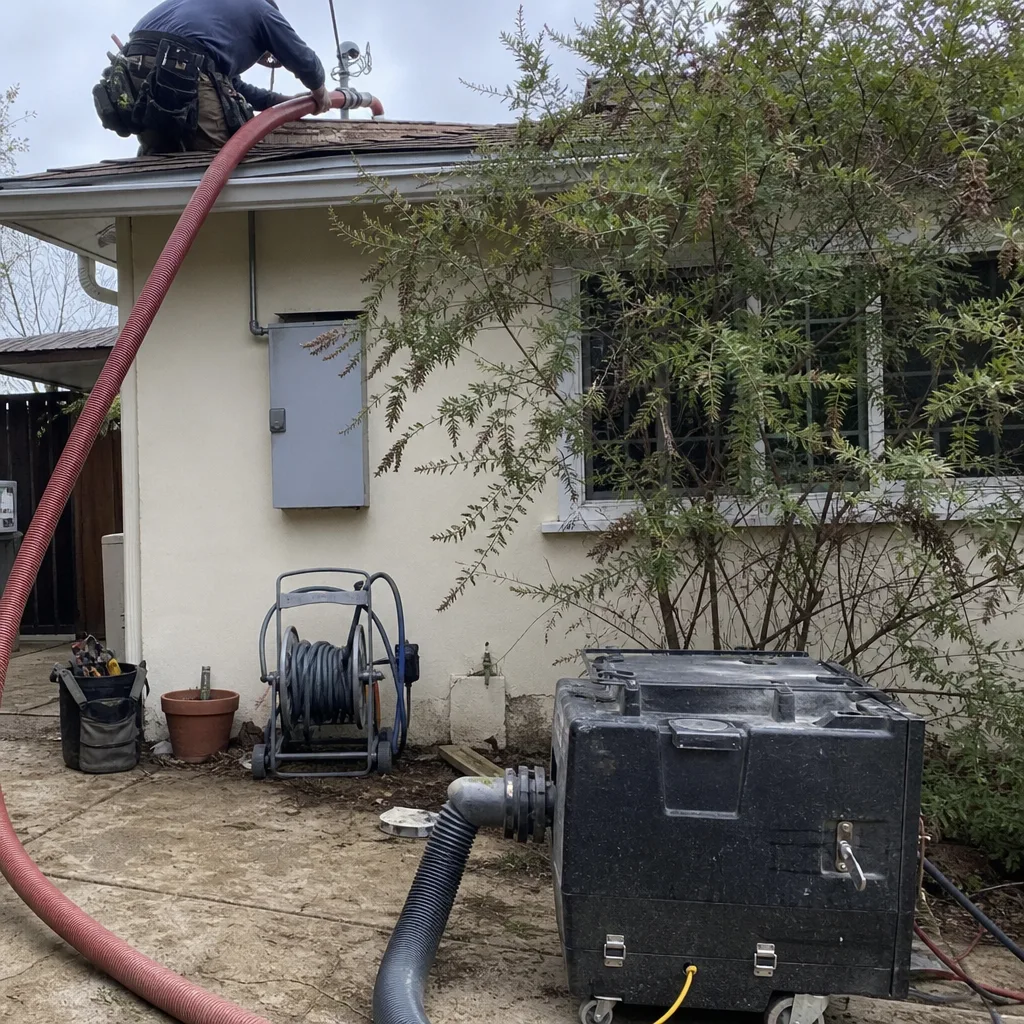 Before
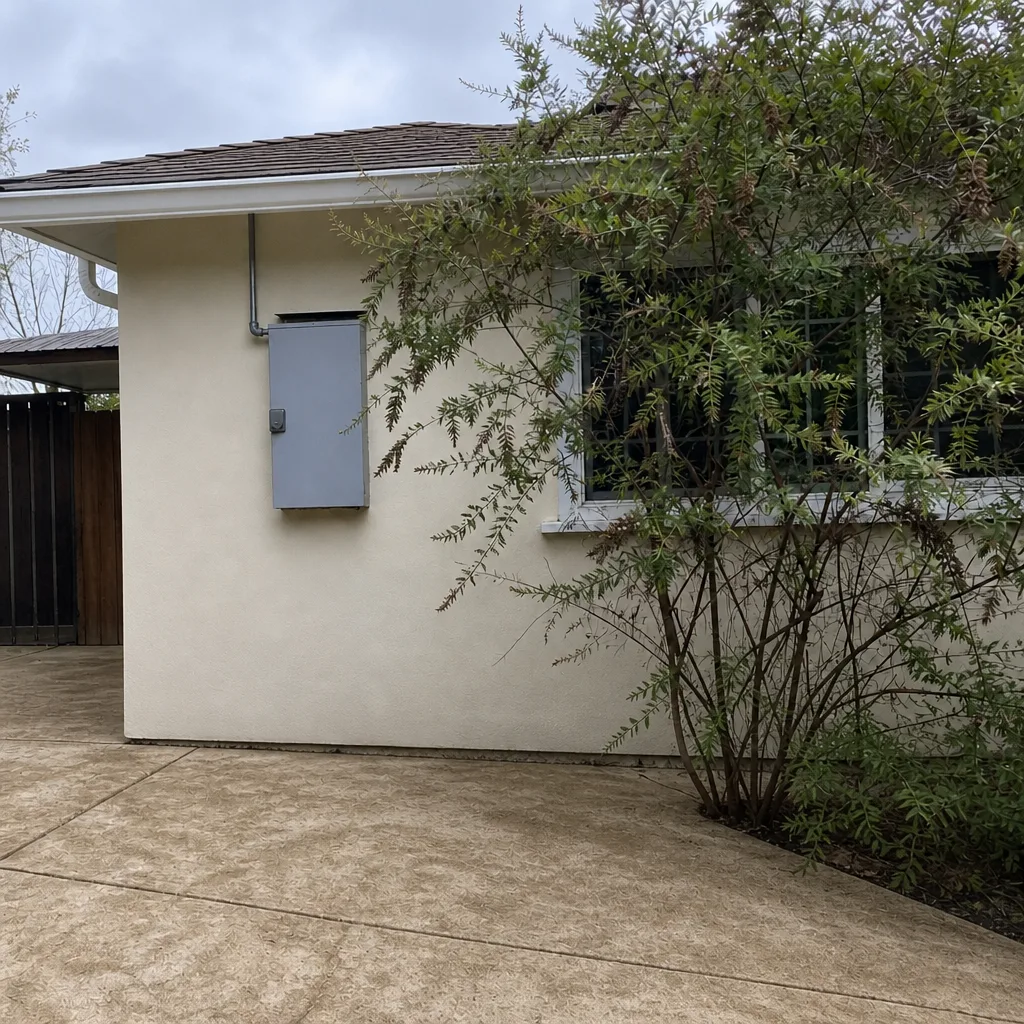 After
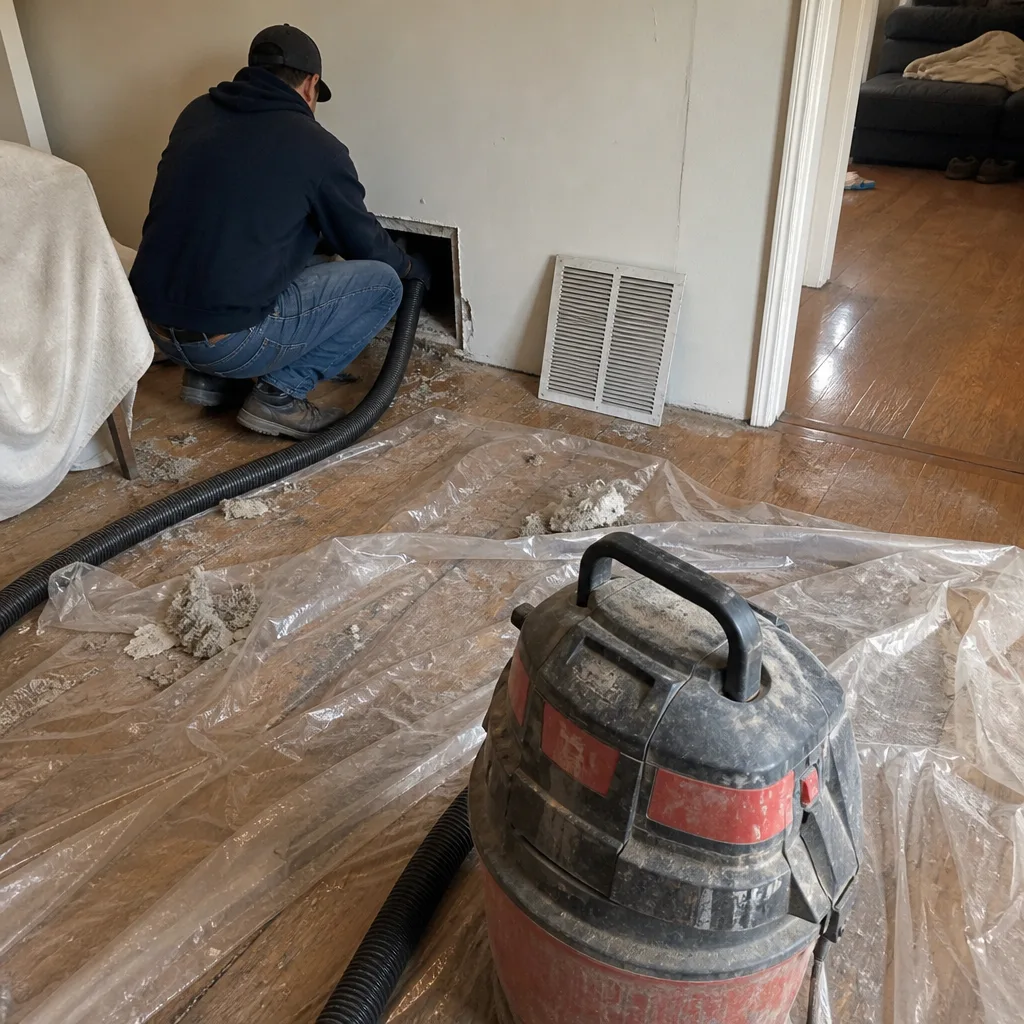 Before
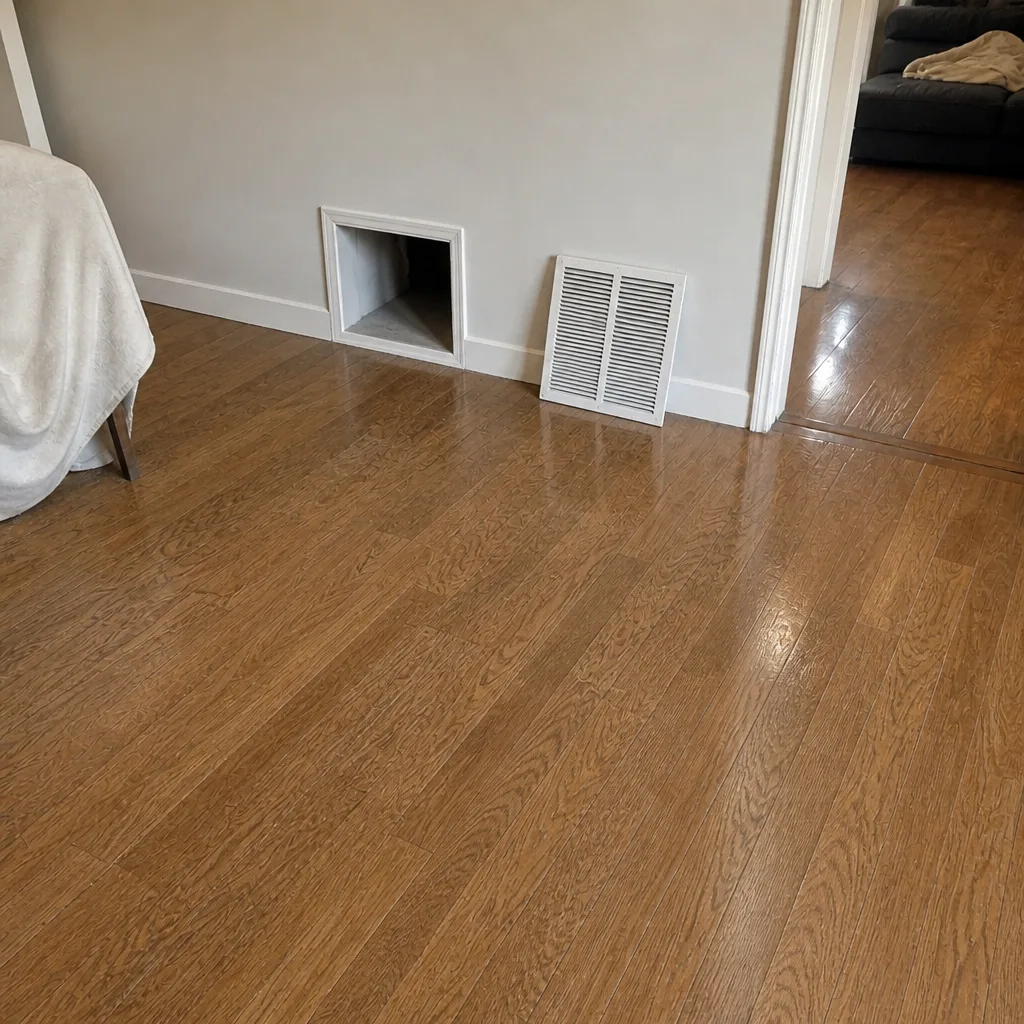 After
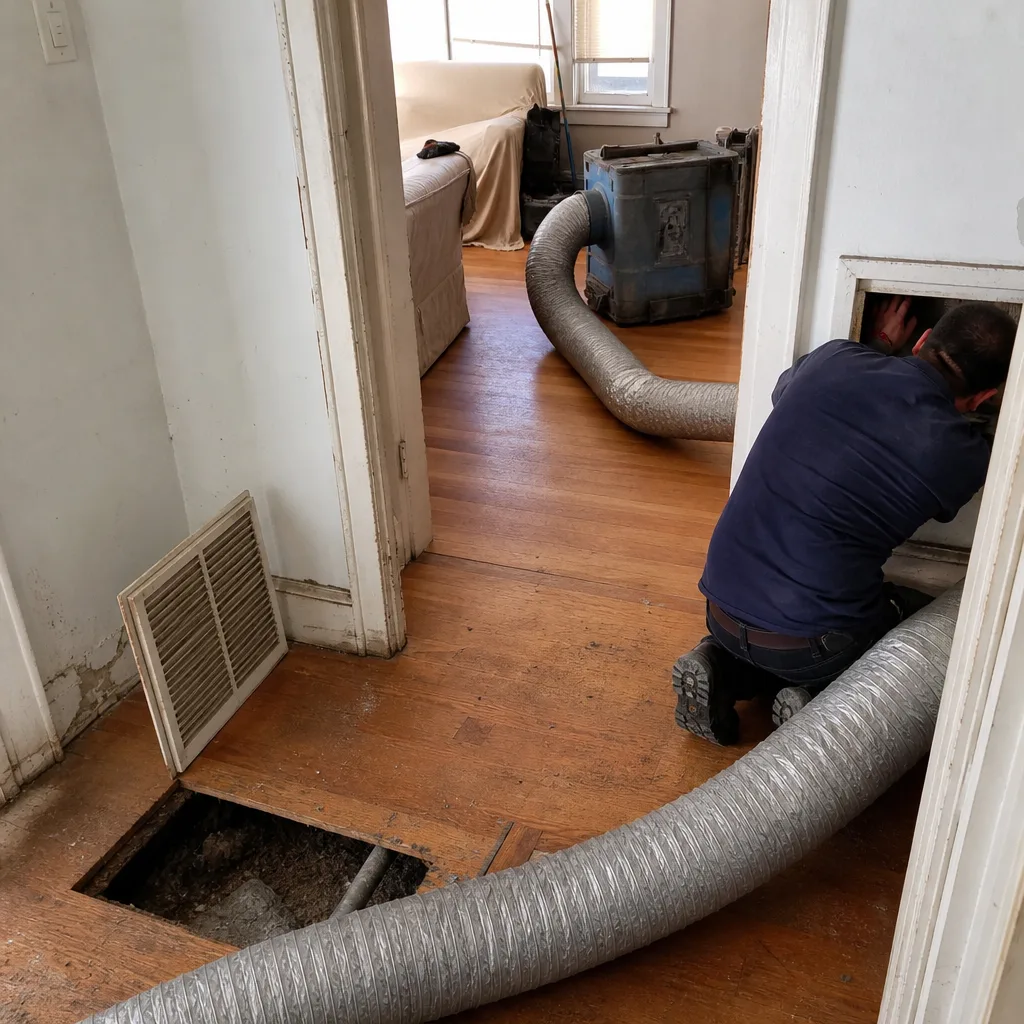 Before
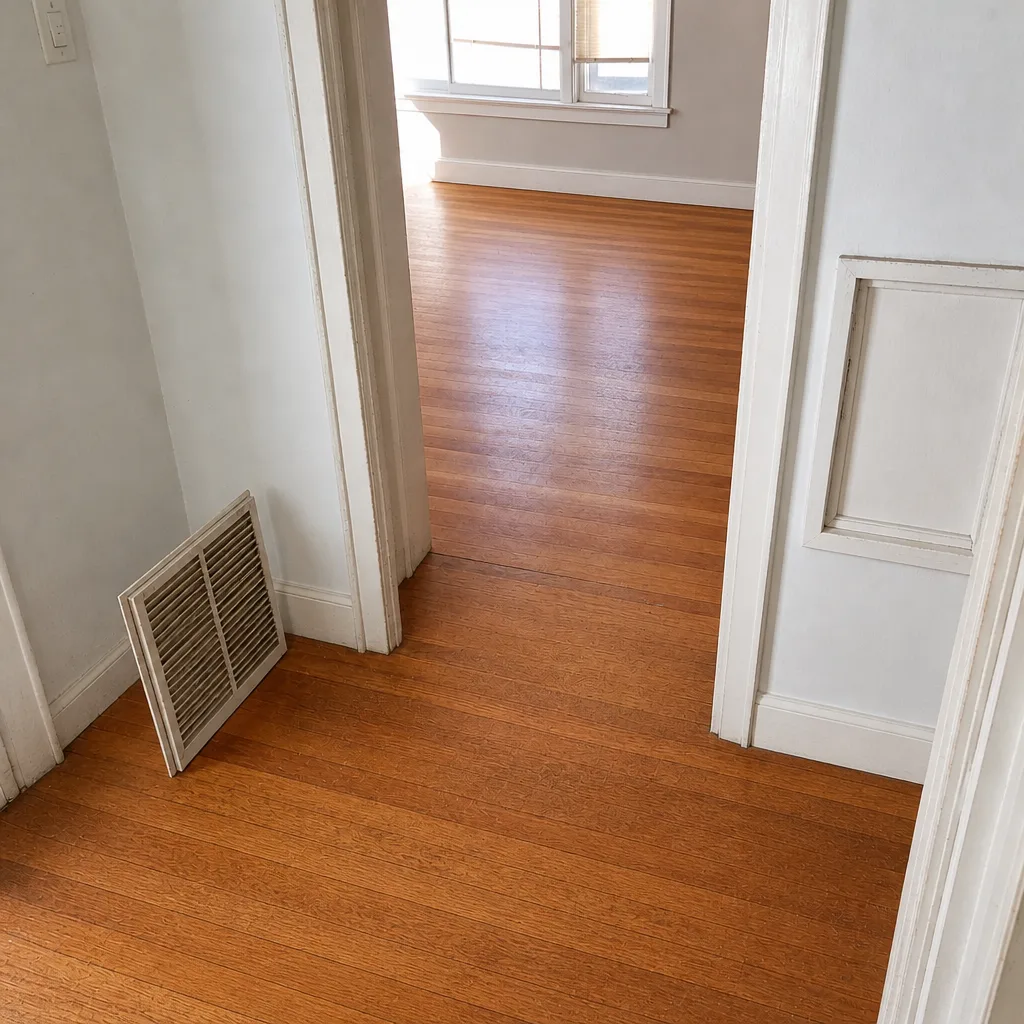 After
When to Call a Professional
Call a professional when the problem is inside the system rather than on its surface. That includes visible debris blowing from supply vents, a persistent musty odor when the system runs, a recent remodel or water intrusion, rodent activity in the ductwork, uneven room temperatures, or energy bills that have climbed without a change in usage. In Silver Lake, hillside homes with long attic duct runs and older flex duct also warrant a professional inspection even without obvious symptoms, because the geometry of the system keeps problems out of sight until they’re significant.
Air Duct Cleaning Silver Lake offers free estimates in Silver Lake – call (877) 492-0146. We answer 24/7. Fast dispatch from 7am to 7pm, Sunday through Friday. Our technicians have up to 11 years of experience, and the local pro we connect you with is licensed and insured as their state requires. One flat price per system, agreed before work starts, with before-and-after photos so you see exactly what was done.
Frequently Asked Questions
You can clean register grilles and surfaces with a shop-vac, but not the ductwork itself. Reaching the trunk line, branch runs, coil, and blower requires rotary agitation and negative-pressure extraction, which a shop-vac doesn’t provide. Using a shop-vac on contaminated ductwork without containment can push particles back into living spaces.
Professional cleaning is priced per system by a written estimate, not per vent, and the estimate sets the final price. Whole-system cost depends on the number of runs, their accessibility, and whether repair, sealing, or treatment is needed. Call (877) 492-0146 for an exact quote – estimates are free.
Cheap quotes usually cover less work: a single vacuum pass, no mechanical agitation, no containment, and no repair of any leaks found. A service built around proper equipment and a full-scope visit costs more because it does more. Read the scope, not the number, and ask for before-and-after photos.
Ask for before-and-after photos of your own ducts. A legitimate service will photograph the interior of the system before and after cleaning. If a provider can’t show you proof of what changed inside your ductwork, assume the scope matched the price, which is usually superficial.
Most homes don’t need annual cleaning. A typical interval is every few years, adjusted for household factors: pets, recent remodels, water intrusion, allergy concerns, or a system that runs a lot during warmer months. Homes with hillside attic runs and older flex duct may benefit from inspection sooner.
Yes, when the repair is within scope. We treat duct repair and sealing as part of the same system, so cleaning, sealing, and treatment happen in one visit where the estimate covers it. That avoids cleaning a system that will just re-dirty itself through a leak.
The Bottom Line
DIY and professional duct cleaning aren’t in competition. They solve different problems. DIY handles the surface – registers, grille faces, visible dust, short dryer vents. Professional cleaning handles the system – trunk lines, branch runs, coil, blower, biological contamination, and the leaks that undermine all of it. Silver Lake homes, with their hillside attic runs, older flex duct, and tighter access, tilt the decision toward professional service more often than a newer subdivision would. If your problem is visible and local, do it yourself. If it’s inside the system, get it done properly, with containment, mechanical cleaning, and photos that prove the work. Call (877) 492-0146 for a free estimate. We answer 24/7. Fast dispatch from 7am to 7pm, Sunday through Friday.
Written by the team at Air Duct Cleaning Silver Lake.