
Last updated November 22, 2026
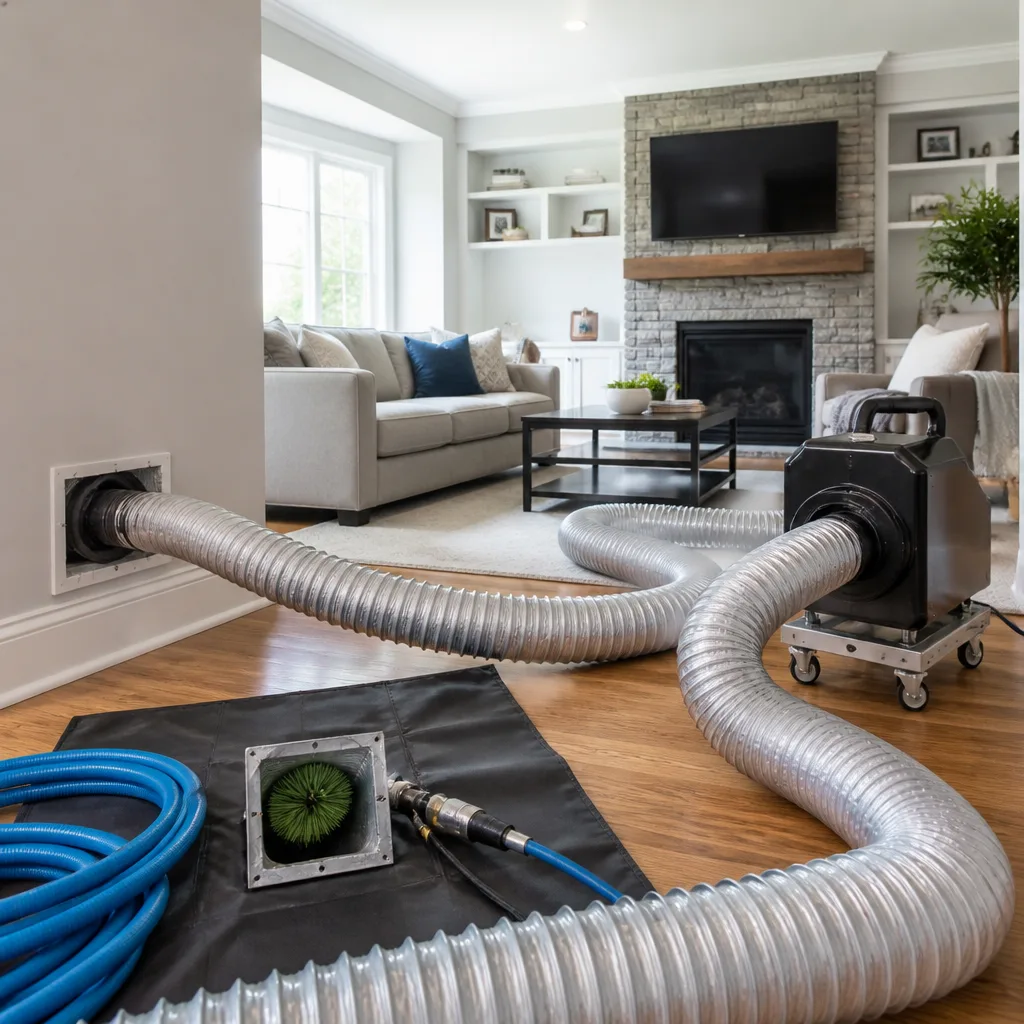 Whole-home duct cleaning
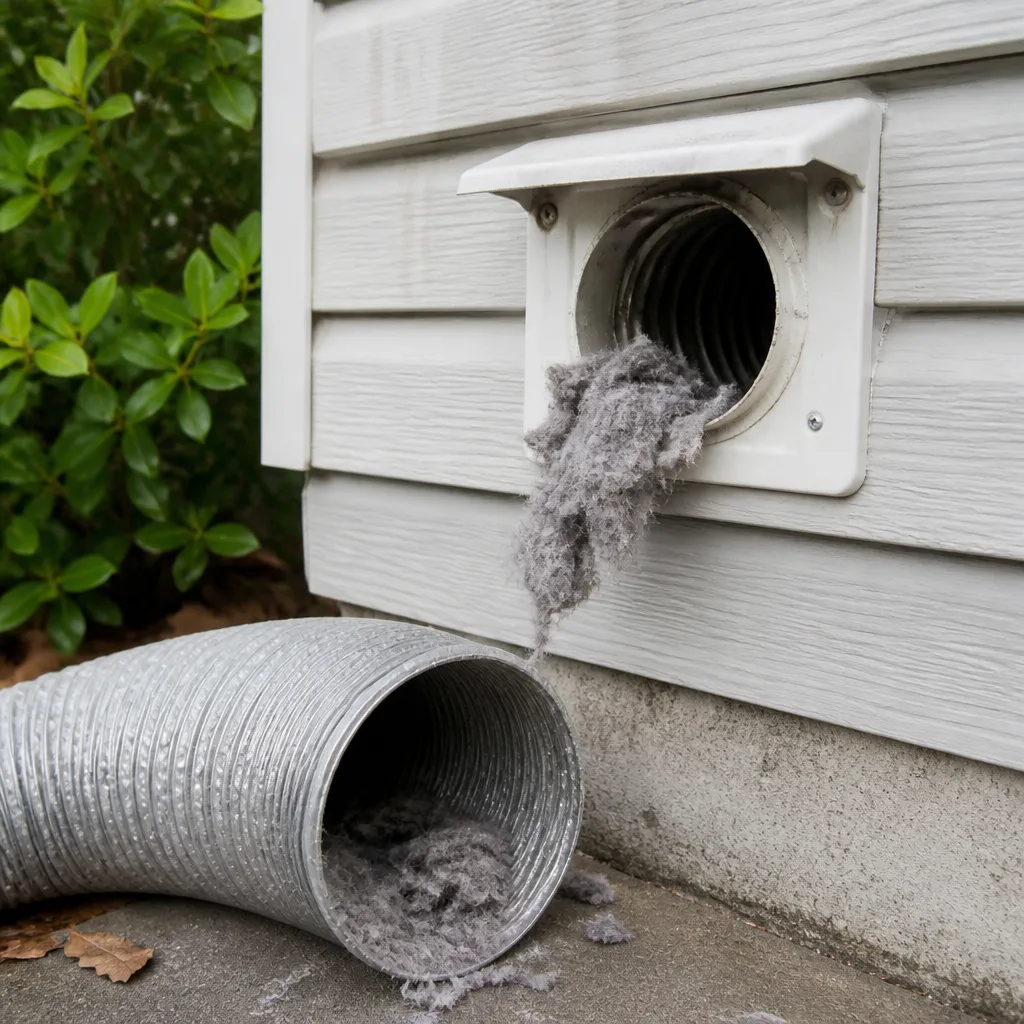 Dryer vent cleaning
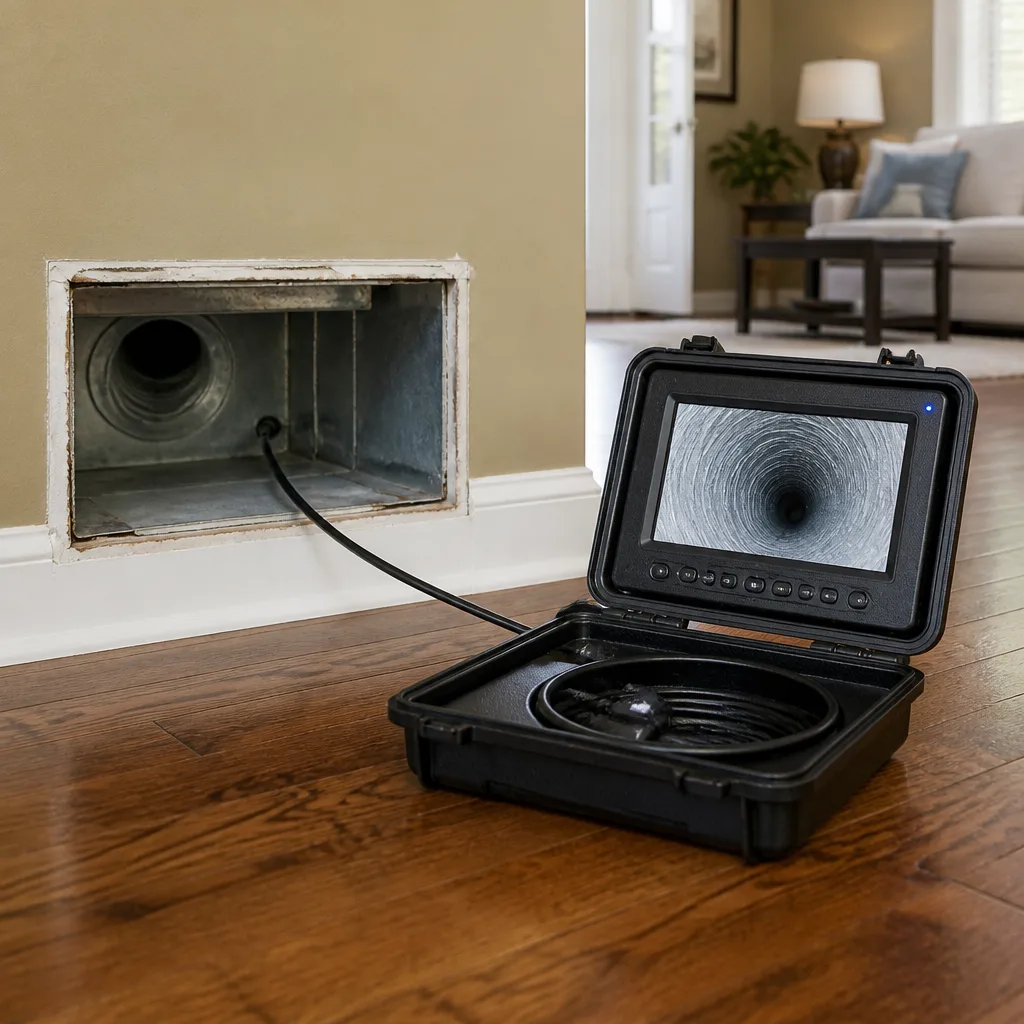 Camera inspection
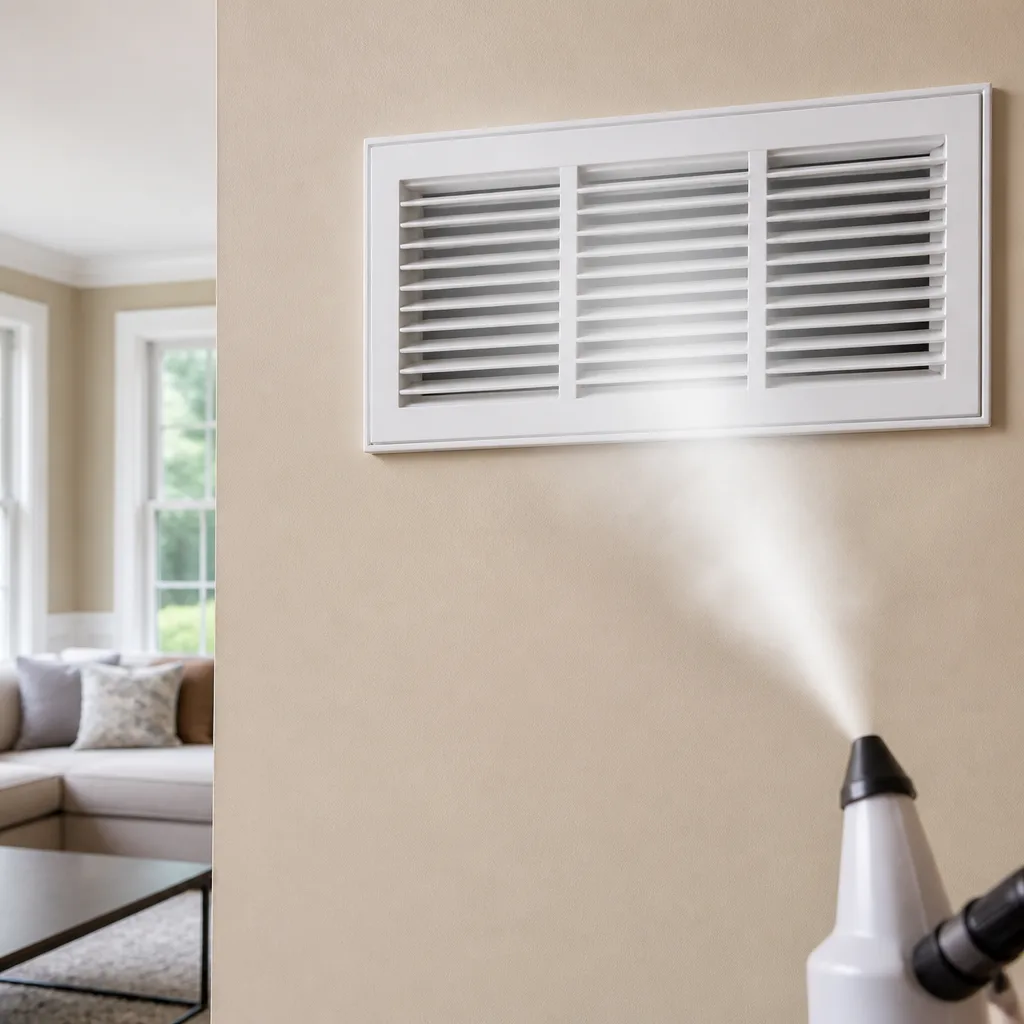 Sanitizing & deodorizing
Whole-system duct and dryer vent check with before-and-after photos - you see exactly what came out of your vents
That "$99 whole-house special" is a bait ad - the real number appears once they are in your hallway, or the "clean" is a shop-vac at the register. We photograph the inside of your ducts before and after instead.
The Complete Guide to Air Duct Cleaning in Silver Lake
Most duct cleaning jobs fix the wrong thing. A crew arrives, runs a vacuum through the vents, watches dust disappear from the register grilles, and leaves. The two problems that actually caused the complaint in the first place – microbial growth inside the duct lining and leaky joints that pull attic and crawlspace air into the system – are still there when the truck pulls away. That’s why the same dusty smell or the same high bill comes back a season later. In this guide we map what a full-cycle duct service in Silver Lake actually involves: diagnosis, mechanical cleaning, repair, sealing, and sanitizing. You’ll learn why Silver Lake’s older hillside homes contaminate ducts differently than new construction, what NADCA standards really require, and how to tell a real cleaning from a vacuum-and-invoice.
Quick Answer
Air duct cleaning in Silver Lake is a multi-stage process, not a single pass with a vacuum. A proper job includes a system assessment, mechanical agitation and extraction of the entire duct run, repair of damaged sections, sealing of leaky joints, and – where contamination is confirmed – sanitizing treatment. Skipping the repair and sealing stages is the main reason duct problems return within a year, and it’s also why two quotes for the “same” job can differ by hundreds of dollars.
Styles & brands we work with
- Whole-home duct cleaning
- Dryer vent cleaning
- Camera inspection
- Sanitizing & deodorizing
Table of Contents
- Why Silver Lake Homes Have Specific Duct Problems
- The Five-Stage Full-Cycle Process vs. Vacuum-and-Charge
- Duct Leakage: The Problem Cleaning Alone Won’t Solve
- What NADCA Standards Require (and What Most Companies Skip)
- When Air Sanitizing Is Warranted vs. When It’s an Upsell
- The Equipment That Separates a Real Cleaning from a Surface Pass
- What Duct Cleaning Costs in Silver Lake
- How Often Your Ducts Actually Need Attention
Why Silver Lake Homes Have Specific Duct Problems
Silver Lake is a neighborhood of mostly pre-1980 housing, much of it built on hillsides that slope down toward the reservoir and the flat blocks around Sunset Junction and Micheltorena. That combination – older construction plus grade changes – produces duct contamination patterns you won’t find in newer flat-lot subdivisions in the Valley or the Westside. When we assess a system in Silver Lake, we’re looking at a different set of failure modes than a 2015 build with a sealed, flex-duct attic run.
The first pattern is retrofit ductwork. Many Silver Lake homes were originally built without central air, and ducts were added later, sometimes run through crawlspaces, sometimes through wall cavities that were never designed for them. Retrofitted runs tend to have more joints, more transitions, and more places where the seal fails. Each of those joints is a spot where dust collects and where conditioned air leaks out.
The second is hillside moisture. Homes on slopes above the reservoir sit where soil moisture migrates differently than on flat ground. Ducts run through crawlspaces that stay damper for longer stretches, which is exactly the environment where microbial growth gets a foothold on the interior lining. Mild winters mean that moisture never fully dries out the way it would in a colder climate – there’s no hard freeze to interrupt it, so a damp crawlspace stays damp across the whole cool season.
The third is the housing mix itself. Silver Lake has a high proportion of older bungalows and Spanish-style homes alongside mid-century apartment buildings and duplexes. Each type has its own duct layout, its own access problems, and its own history of partial remodels. A duct system that was added in a 1990s kitchen remodel and tied into a 1940s furnace is a very different job than a clean modern installation.
None of this means Silver Lake homes are worse off than anywhere else. It means the duct work here is more varied, and a one-size-fits-all cleaning pass misses more than it catches. That’s the case for approving air duct cleaning in Silver Lake as a diagnosis first, not a fixed checklist.
The Five-Stage Full-Cycle Process vs. Vacuum-and-Charge
Most companies in this trade run a two-stage job: attach a vacuum, agitate a little, collect payment. A full-cycle service runs five stages, and each one exists because skipping it lets the original complaint come back. Here’s how we approach it.
- Assessment. Before anything gets cleaned, the system gets inspected. We check register airflow, look for visible contamination at the supply and return grilles, test for leakage at accessible joints, and identify any sections that are damaged, disconnected, or crushed. This is the step that determines whether you need cleaning only, or cleaning plus repair plus sealing.
- Containment. Before agitation begins, we set up remediation-class containment using Abatement Technologies equipment. This is the same class of filtration gear used in environmental remediation. It keeps dislodged debris from blowing back into living spaces while the work is happening, which is the single most common complaint about cheap duct cleanings.
- Mechanical cleaning. Rotobrush rotary brush systems handle the agitation – the brush physically contacts the duct walls to break loose the adhered layer of dust and debris that a vacuum alone can’t move. Nikro negative-pressure equipment pulls the loosened material out of the system. Brushing without extraction just relocates the dust; extraction without brushing misses the adhered layer. Both are required.
- Repair and sealing. With the ducts clean, damaged sections are visible. Crushed flex runs, disconnected joints, and torn insulation get repaired. Leaky joints get sealed. This stage is what actually addresses energy loss and recontamination – see the next section.
- Sanitizing and finishing. Where the assessment found microbial contamination, the system gets treated with Guardsman protective products as part of the sanitizing and finishing process. Where contamination wasn’t found, this stage is skipped. More on that below.
One visit covers cleaning, any needed repairs, and sanitizing – no second appointments, no unanswered problems. That matters because the repair stage depends on the cleaning stage being done first. A crew that only does the first three stages and leaves you to find someone else for the repair has done half a job.
Duct Leakage: The Problem Cleaning Alone Won’t Solve
Here’s the part most homeowners never hear: the dust you see at the register is the visible symptom, but leakage is often the bigger problem. A duct system with unsealed joints doesn’t just lose conditioned air – it pulls air in. Every leak is a two-way opening. Air you paid to cool escapes, and air from the crawlspace, attic, or wall cavity gets drawn into the system and delivered to your rooms.
In Silver Lake, that’s the mechanism behind a lot of “mystery dust” complaints. A homeowner cleans the house, and the dust keeps returning. The furnace or air handler is running, the duct runs are under negative pressure on the return side, and every unsealed joint along the way is drawing in whatever is sitting in the surrounding cavity – insulation fibers, construction dust from an old remodel, moisture-laden crawlspace air.
This is why we don’t stop at cleaning. Cleaning the ducts without sealing the leaks means the freshly cleaned system starts recontaminating from day one. Sealing follows cleaning, every time, because the two stages solve different problems:
- Cleaning removes what’s already in the system – the accumulated debris and microbial layer.
- Sealing stops new contamination from entering and keeps conditioned air moving to where it’s supposed to go.
- Repair addresses structural problems – crushed runs, disconnected sections, degraded flex duct – that sealing alone can’t fix.
If you’ve had the ducts cleaned before and the problem returned, leakage is the first thing to check. It’s also a legitimate reason to consider HVAC cleaning as part of the same visit, since the air handler and coil are where a lot of that drawn-in material ends up.
What NADCA Standards Require (and What Most Companies Skip)
NADCA – the National Air Duct Cleaners Association – publishes the industry’s accepted standard for what a duct cleaning is supposed to include. The standard isn’t a marketing badge. It defines source removal: contaminants have to be physically removed from the system, not just loosened, and the process has to protect the occupied space while it happens. When a company advertises NADCA compliance, here’s what that should mean in practice, and where the gaps usually appear.
- Source removal, not encapsulation. The standard calls for removing contamination, not spraying a sealant over it. A company that coats the inside of a dirty duct is doing the opposite of what the standard requires.
- Containment and negative pressure. The occupied space has to be protected during cleaning. In practice, very few local companies set up true containment. This is where Abatement Technologies filtration and Nikro negative-pressure equipment come in – they’re the tools that make compliance possible, not optional add-ons.
- Cleaning the whole system. Registers, supply runs, return runs, the plenum, the air handler, and the coil area all count. A company that cleans only the supply vents has cleaned a fraction of the system.
- Verification. The customer should be able to see what was removed and what the system looks like after. Photos before and after are the practical version of this.
What most local companies actually deliver is closer to a surface pass: a vacuum at the trunk, a quick register wipe, and a bill. That’s not a standards issue so much as a business-model issue – thorough work takes longer, and a company selling on price can’t afford the time. When you’re comparing quotes in Silver Lake, ask specifically whether containment will be set up, whether the return side gets cleaned, and whether you’ll see photos of your own system afterward. The answers tell you which kind of job you’re being sold.
When Air Sanitizing Is Warranted vs. When It’s an Upsell
Sanitizing is the stage most often sold when it isn’t needed, and skipped when it is. The distinction is straightforward: sanitizing treats biological contamination – mold spores, bacteria, odors – and it only makes sense when that contamination has been confirmed. Cleaning a system and then treating a clean system with antimicrobial product adds nothing functional. Cleaning a system with confirmed microbial growth and skipping the treatment leaves the source in place.
When sanitizing is warranted:
- The assessment found visible microbial growth on the duct interior, the coil, or the plenum.
- There’s a persistent musty or damp odor that returns shortly after cleaning.
- The system serves a space with water damage history or sustained high humidity in the crawlspace.
- There’s been a pest or rodent intrusion into the ductwork.
When it’s an upsell with no functional benefit:
- The system is already clean and no contamination was found.
- The complaint is dust, not odor or microbial growth – that’s a cleaning, sealing, and filtration problem.
- The product is being offered as a routine add-on before anyone has looked inside the ducts.
Where treatment is warranted, we use Guardsman protective products as part of the finishing process, and where filtration or humidity control is the underlying issue, Honeywell and Aprilaire components can be installed at the same visit. That integration matters: the technician who cleaned the system is the one who knows where the contamination was and what filtration change will prevent it returning. Better air starts with a system that’s been fully cleaned, sealed, and treated – not just blown out.
The Equipment That Separates a Real Cleaning from a Surface Pass
You can learn a lot about a duct cleaning quote by asking what equipment shows up. The tools a crew brings determine what the job actually accomplishes, and the difference between professional duct cleaning systems and repurposed shop vacuums is the difference between source removal and a dust shuffle.
The core setup for a real cleaning has three parts:
- Mechanical agitation – Rotobrush. The rotary brush system is the industry-recognized mechanical cleaning standard for residential and commercial ductwork. The brush contacts the duct wall, breaks the adhered layer loose, and does it along the full run. Without agitation, the vacuum pulls only what’s already airborne.
- Negative pressure and extraction – Nikro. Professional-grade Nikro HVAC cleaning equipment creates the negative pressure that pulls loosened material out of the system and holds it in collection. This is the equipment trusted by certified IAQ contractors, and it’s what keeps the debris from settling back into the run behind the brush.
- Containment and filtration – Abatement Technologies. Remediation-class filtration protects the occupied space while the work happens. This is the piece that most cheap quotes leave out, because setting up containment takes time at the start of every job.
There’s a fourth layer that’s less about cleaning and more about what comes next: air quality hardware. Honeywell and Aprilaire filtration and humidity components can be installed or upgraded at the time of service, using brands that are nationally recognized and widely supported for parts and service. Pairing the cleaning with a filtration upgrade addresses the source of recontamination rather than just clearing what’s already there.
When you ask for a quote in Silver Lake, ask which of these systems the crew uses. A company that can name its equipment and explain what each piece does is a company that has thought about the process. A company that can’t is probably planning a vacuum pass.
What Duct Cleaning Costs in Silver Lake
Duct cleaning in Silver Lake typically falls into a range based on system size, accessibility, and how many stages the job requires. Whole-system cleaning with containment and mechanical agitation generally sits in a higher band than a single-run pass, because it takes longer and involves more equipment. The written estimate sets the final price, so treat any range you see – including ours – as a planning figure, not a quote.
Here’s how the typical ranges break down by service:
| Service | Typical Estimated Range |
|---|---|
| Air duct cleaning (whole system, mechanical + containment) | $350 – $750 |
| Dryer vent cleaning | $120 – $250 |
| HVAC / air handler and coil cleaning | $200 – $450 |
| Duct repair and sealing (per section) | $150 – $500 |
| Air quality sanitizing (where warranted) | $150 – $350 |
Two things drive the range within each band. First, accessibility: retrofitted ducts in an older Silver Lake bungalow often have tighter crawlspace access and more transition points than a newer installation, and that affects labor time. Second, how many stages the assessment finds necessary – a system with confirmed leakage and damaged flex runs is a different job than one that just needs cleaning.
Be cautious with quotes that land far below the low end of these ranges. A price that’s a fraction of the typical band usually means a vacuum pass without containment, without mechanical agitation, and without the return side. That kind of job often costs more in the long run, because you pay twice: once for the cheap cleaning, and again for the full-cycle work that actually solves the problem.
We don’t quote per vent, and we don’t run teaser pricing. One flat price per system is agreed before work starts, based on the assessment, and you’ll see before-and-after photos of your own ducts when the job is done. That’s the answer to the bait-and-switch reputation this trade has earned: the price you agree to is the price you pay.
How Often Your Ducts Actually Need Attention
There’s no universal schedule, despite what the postcard mailers suggest. Duct cleaning frequency depends on the specific system and the specific household, and in Silver Lake the housing stock pushes some homes toward more frequent attention than others.
Consider a full-cycle service when:
- You’ve never had it done and the home predates 1980. Older Silver Lake homes with retrofit or original ductwork often carry decades of accumulated debris and unsealed joints.
- You’re seeing dust return quickly after cleaning. That’s a leakage signal more than a cleaning signal – the system is drawing in new material.
- There’s a persistent odor when the system first comes on, especially a musty or damp smell. That points to microbial growth and warrants an assessment.
- You’re in a hillside home with a damp crawlspace. The mild local climate means damp conditions can persist across the cool season, which is favorable for growth.
- You’ve done a remodel or major renovation. Construction dust is fine and pervasive, and it gets pulled into running systems.
- You’ve had pest activity. Rodents and insects in ductwork leave contamination that cleaning alone may not fully address.
For a home that’s been on a regular schedule, on a system with sealed joints and a clean filter, three to five years is a reasonable interval. For a Silver Lake hillside home with retrofit ducts and a damp crawlspace, a shorter interval makes sense – and more importantly, an assessment on the earlier side, so leakage can be caught before it undoes a cleaning.
If you’re also noticing that clothes take longer to dry, the dryer vent cleaning side of the system deserves a look at the same time. Lint buildup in a dryer vent is a separate problem from duct contamination, but it has the same root cause – accumulated material in a system nobody has looked inside.
Common Mistakes to Avoid
- Accepting a quote without asking about containment. If the crew doesn’t set up filtration before agitating, dislodged debris recirculates into your living space. Ask specifically how the occupied space will be protected.
- Treating cleaning as the final step. Cleaning without sealing means the system starts recontaminating immediately. The joints that leaked before still leak after.
- Buying sanitizing before anyone has looked inside. Antimicrobial treatment on a system with no confirmed contamination is money spent for no functional gain. Insist on an assessment first.
- Choosing the lowest bid without comparing scope. A low price usually reflects fewer stages, not a better deal. Compare what each quote includes: containment, return-side cleaning, repair, sealing, photos.
- Skipping the return side. The return run often carries the heaviest contamination load, and it’s the part most likely to be left out of a cheap job.
- Ignoring hillside crawlspace moisture. In Silver Lake, a damp crawlspace is the environment that feeds microbial growth in the ducts above it. Cleaning without addressing the moisture source is a short-term fix.
- Never asking for photos. Before-and-after photos of your own system are the simplest verification that the work happened. A company that won’t provide them is telling you something.
See the difference
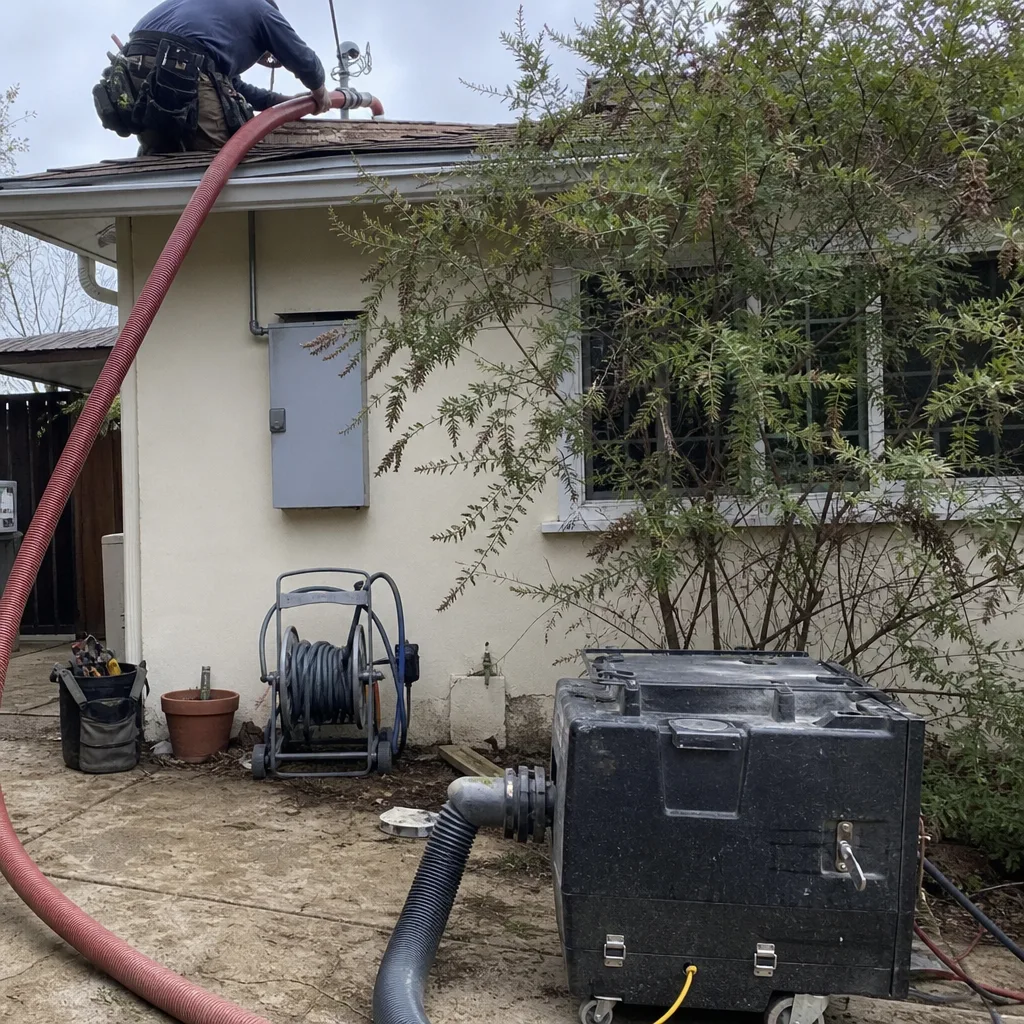 Before
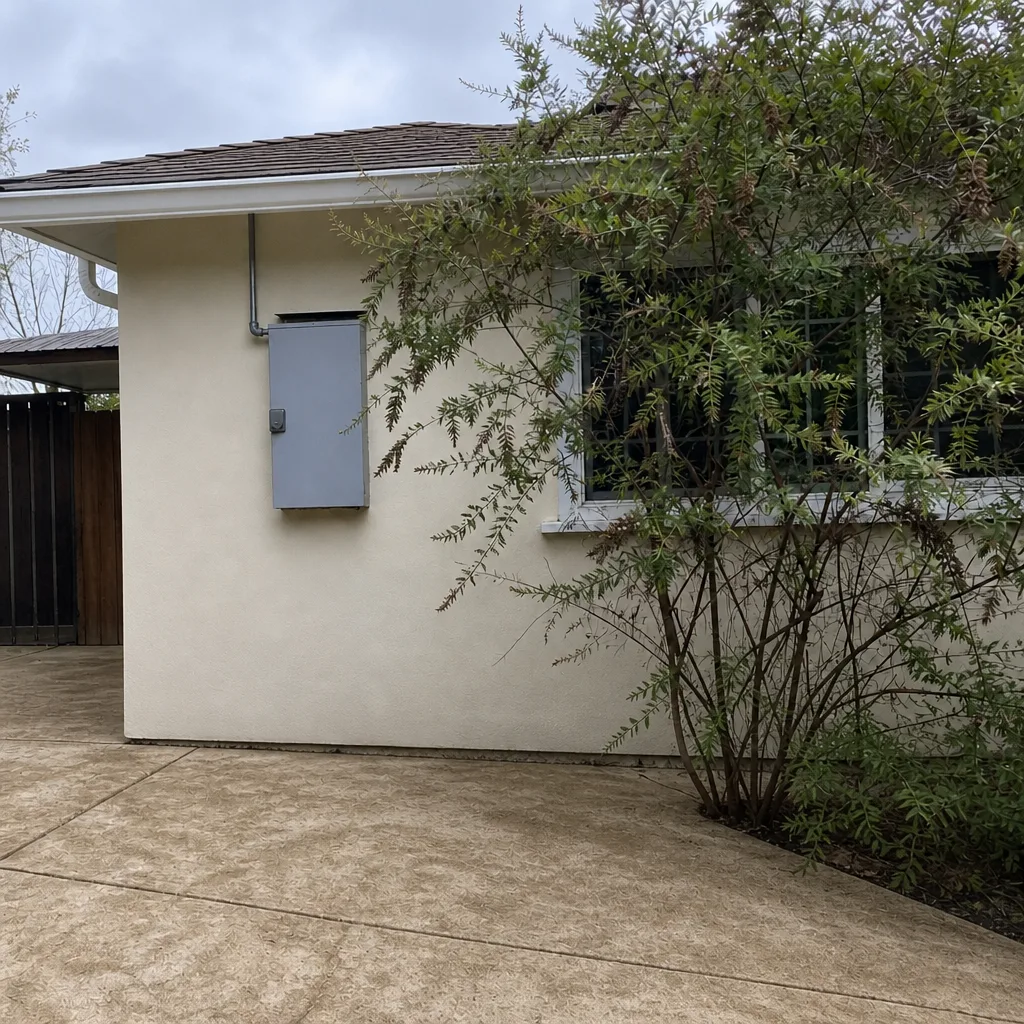 After
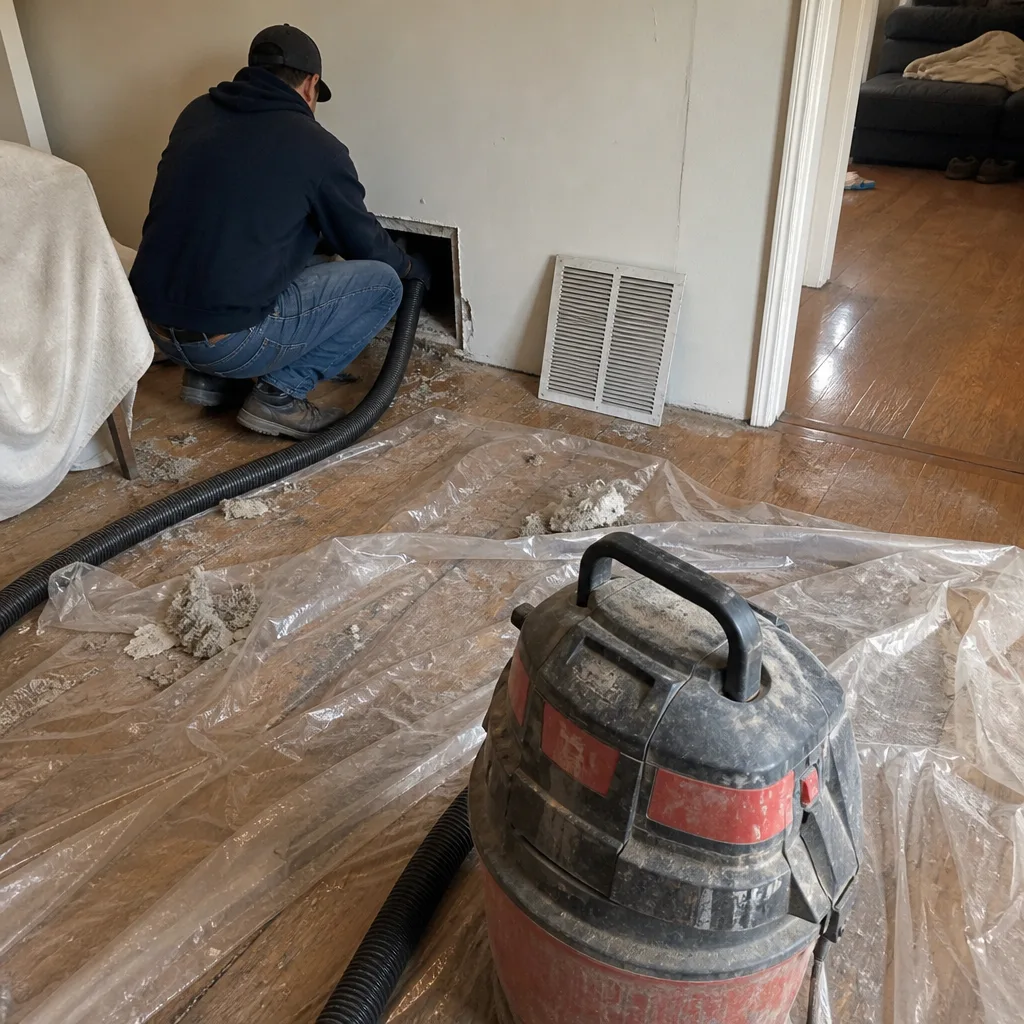 Before
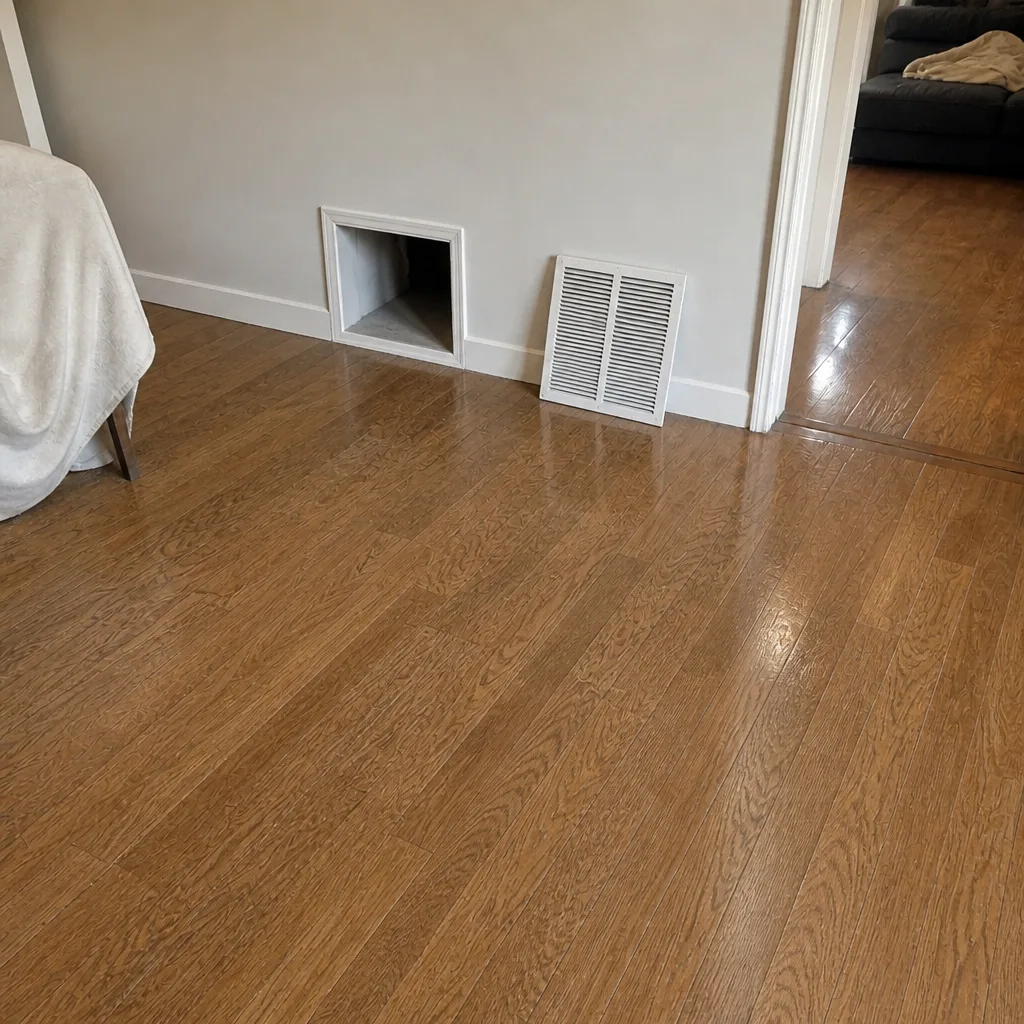 After
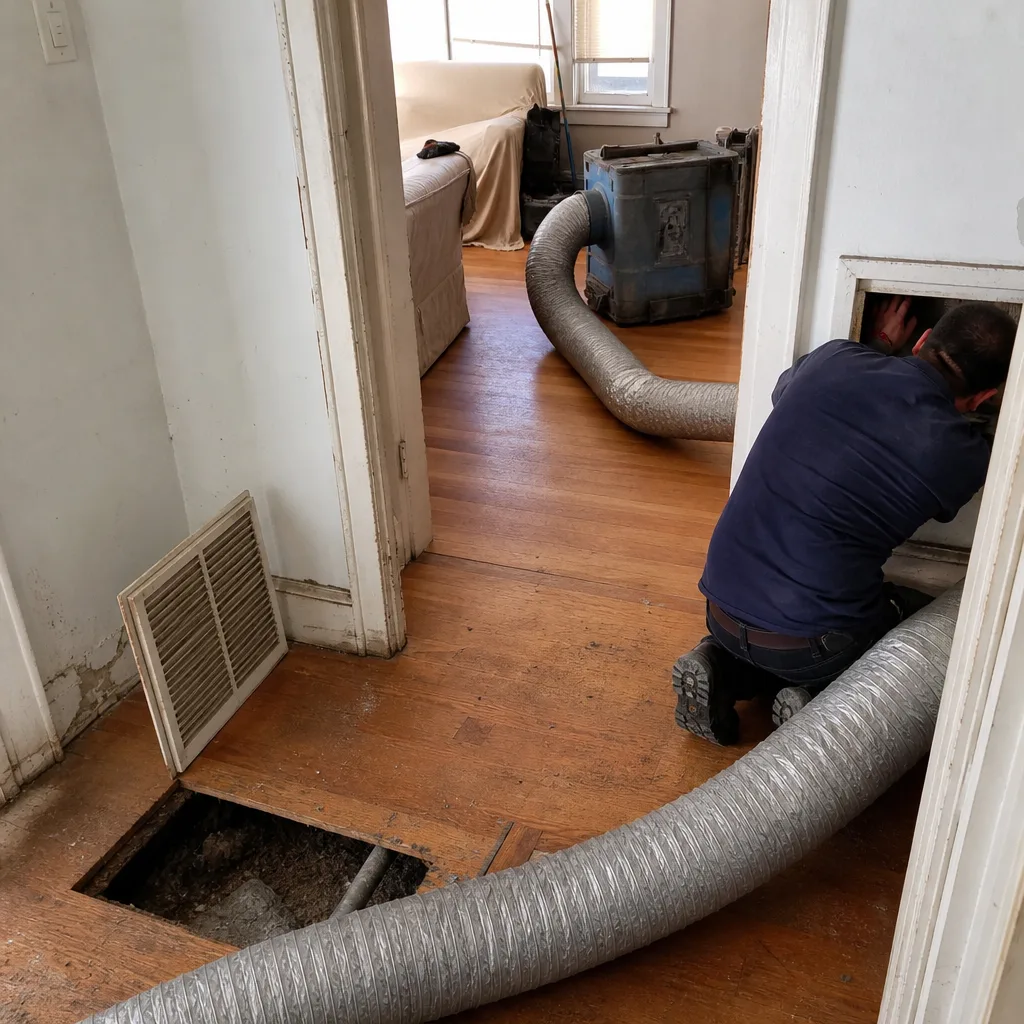 Before
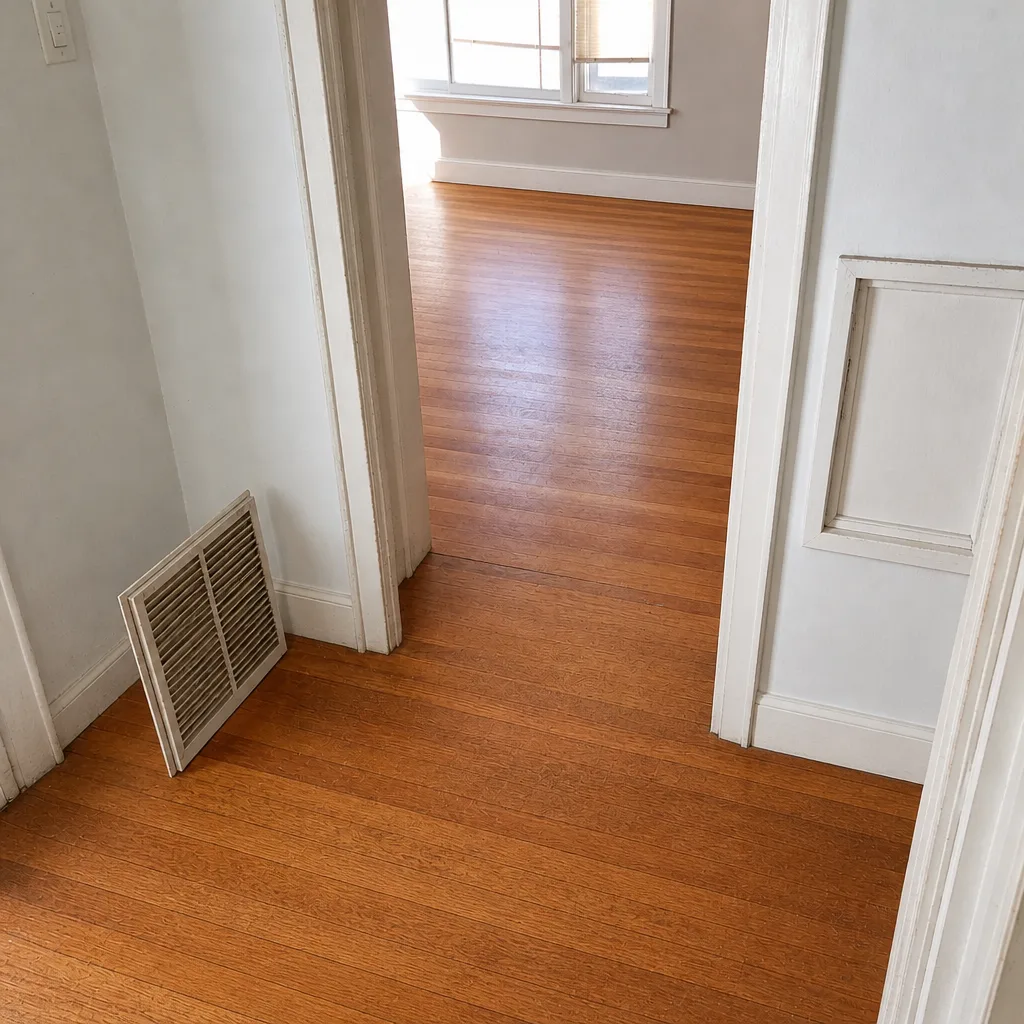 After
When to Call a Professional
Some duct problems are obvious – visible mold at a register, a disconnected run you can see in the crawlspace, a musty smell every time the heat comes on. Those warrant a professional assessment without delay. Others are quieter: dust that returns within days, rooms that never quite cool evenly, an energy bill that creeps up with no other explanation. In a Silver Lake hillside home with older retrofit ductwork, those quieter signals are often the first sign of leakage. The safety side matters too: anything involving the air handler’s electrical components or a gas furnace’s combustion path should be handled by a trained professional, not a homeowner with a shop vac. Air Duct Cleaning Silver Lake offers free estimates in Silver Lake – call (877) 492-0146. We answer 24/7. Fast dispatch from 7am to 7pm, Sunday through Friday.
Frequently Asked Questions
Whole-system air duct cleaning in Silver Lake typically falls in the $350 to $750 range, with the written estimate setting the final price. That range reflects mechanical agitation, containment, and full-run extraction – a job with repair and sealing added lands higher, and a cheap vacuum-only pass lands lower but solves less. Call (877) 492-0146 for an exact quote – estimates are free.
Lower quotes usually mean fewer stages: no containment, no mechanical agitation, return side skipped, no repair or sealing. That’s a vacuum pass, not a full-cycle cleaning, and it’s why the same complaint often comes back the following season. The cheap price buys less work, not a better deal. Call (877) 492-0146 and we’ll walk you through exactly what our scope includes – estimates are free.
Ask for before-and-after photos of your own ducts, not stock images, and ask whether containment was set up during the job. We provide photos of your specific system so you can see what was removed and what the interior looks like afterward. If a company won’t show you your own system, that’s your answer. Call (877) 492-0146 with questions before you book – estimates are free.
For a well-sealed system in a newer home, three to five years is reasonable. For older Silver Lake homes with retrofit ductwork or a damp hillside crawlspace, an earlier assessment makes more sense – the goal is catching leakage before it undoes a cleaning. There’s no universal schedule; the system tells you when it needs attention. Call (877) 492-0146 to schedule an assessment – estimates are free.
Source removal helps with both, but only if the job includes the stages that address the cause. Dust and allergen complaints are usually a cleaning-and-sealing problem; musty odors point to microbial growth that warrants sanitizing treatment after the cleaning. Cleaning without sealing leaves the leakage that keeps reintroducing contaminants. Call (877) 492-0146 to talk through what your symptoms suggest – estimates are free.
Yes – dryer vent cleaning can be handled as part of the same visit, and it’s worth doing if clothes are taking longer to dry or you haven’t had the vent inspected. It’s a separate system from your HVAC ducts but the same root issue: accumulated material in a run nobody has looked inside. Call (877) 492-0146 to add it to your estimate.
The Bottom Line
Air duct cleaning in Silver Lake works when it’s treated as a system diagnosis rather than a vacuum pass. The full cycle is assessment, containment, mechanical cleaning with professional equipment, repair and sealing, and sanitizing only where contamination is confirmed. The two failure modes that bring complaints back – microbial growth and leaky joints – are exactly the two that a basic cleaning leaves in place. Older hillside homes with retrofit ductwork are more prone to both, which is why the assessment stage matters so much here. One flat price per system, agreed before work starts, with before-and-after photos of your own ducts, is the standard to hold any quote to. Better air starts with a system that’s been fully cleaned, sealed, and treated – not just blown out.
If you’re ready to find out what your system actually needs, call (877) 492-0146 for a free estimate. We answer 24/7. Fast dispatch from 7am to 7pm, Sunday through Friday. The local pro is licensed and insured as their state requires, and the price is set per job by the written estimate before any work begins.
Written by the team at Air Duct Cleaning Silver Lake.