
Last updated November 22, 2026
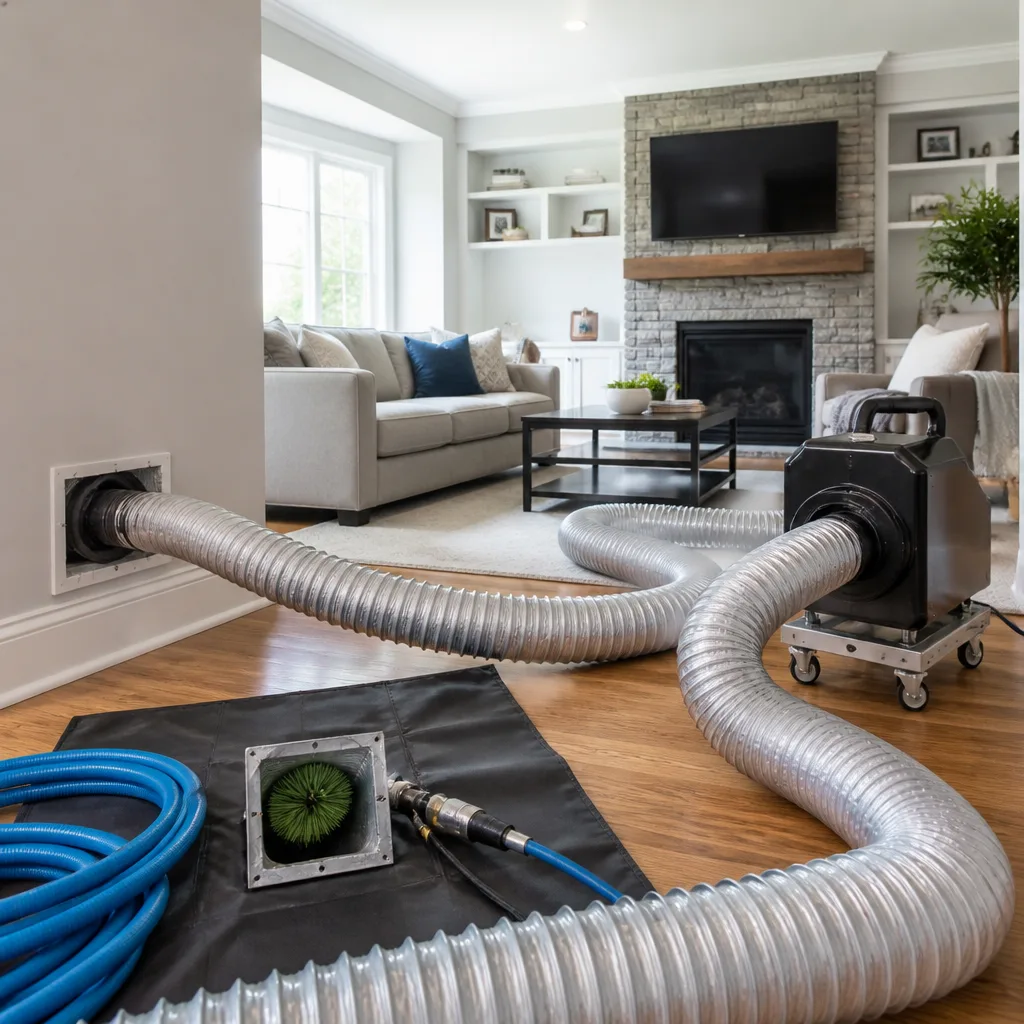 Whole-home duct cleaning
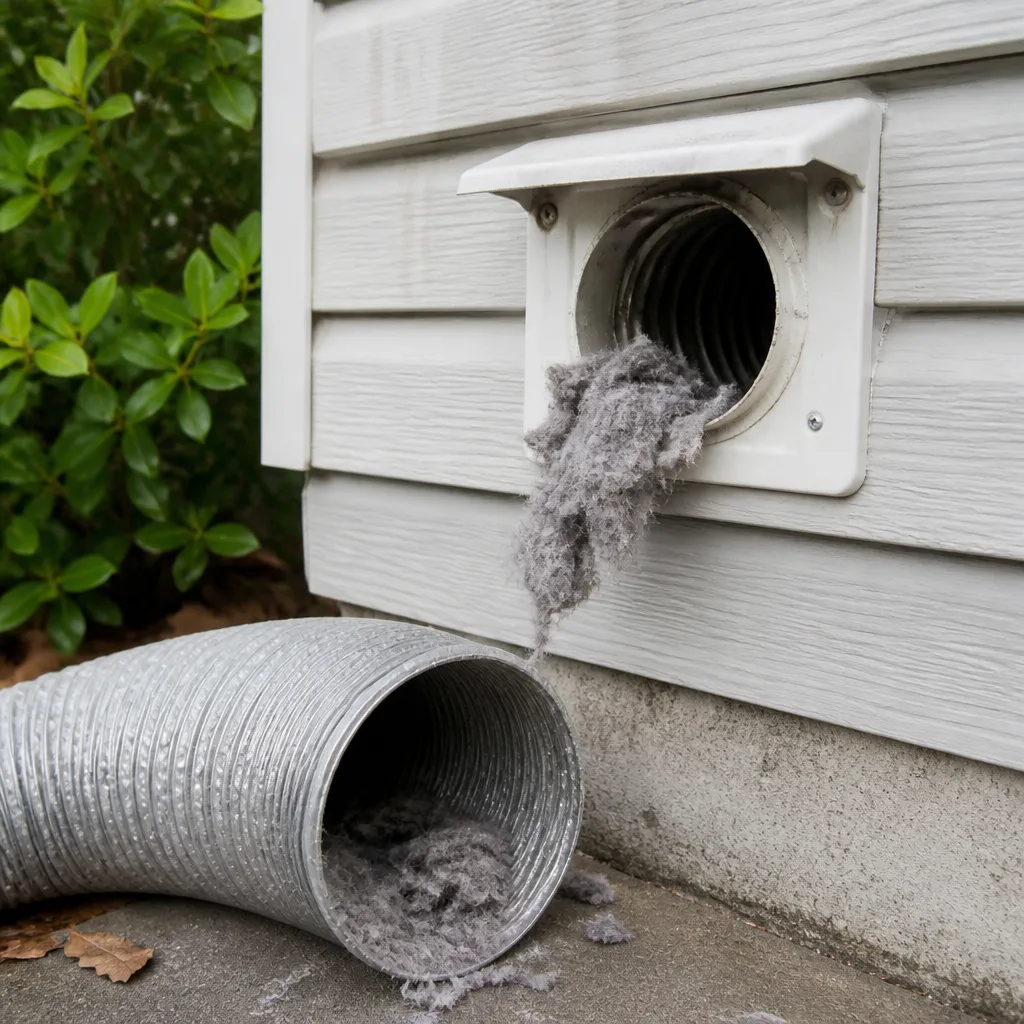 Dryer vent cleaning
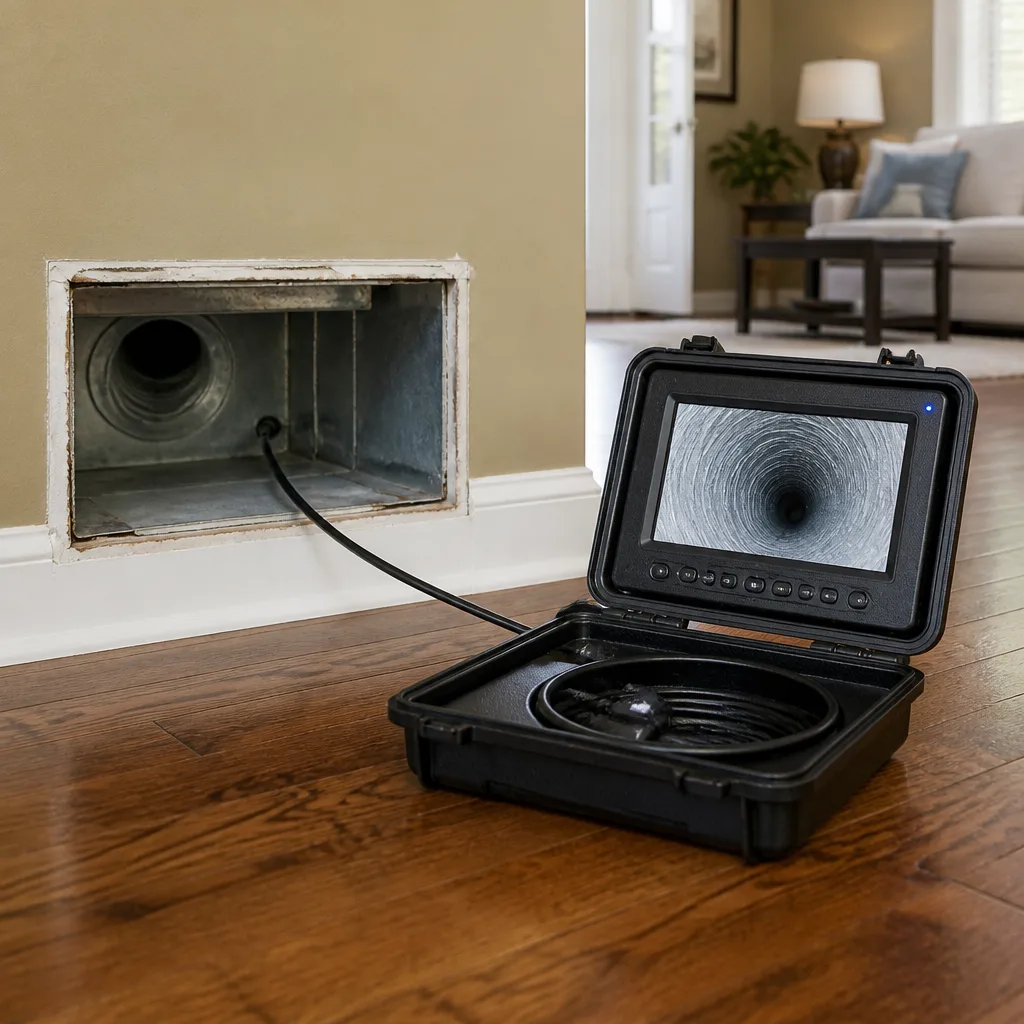 Camera inspection
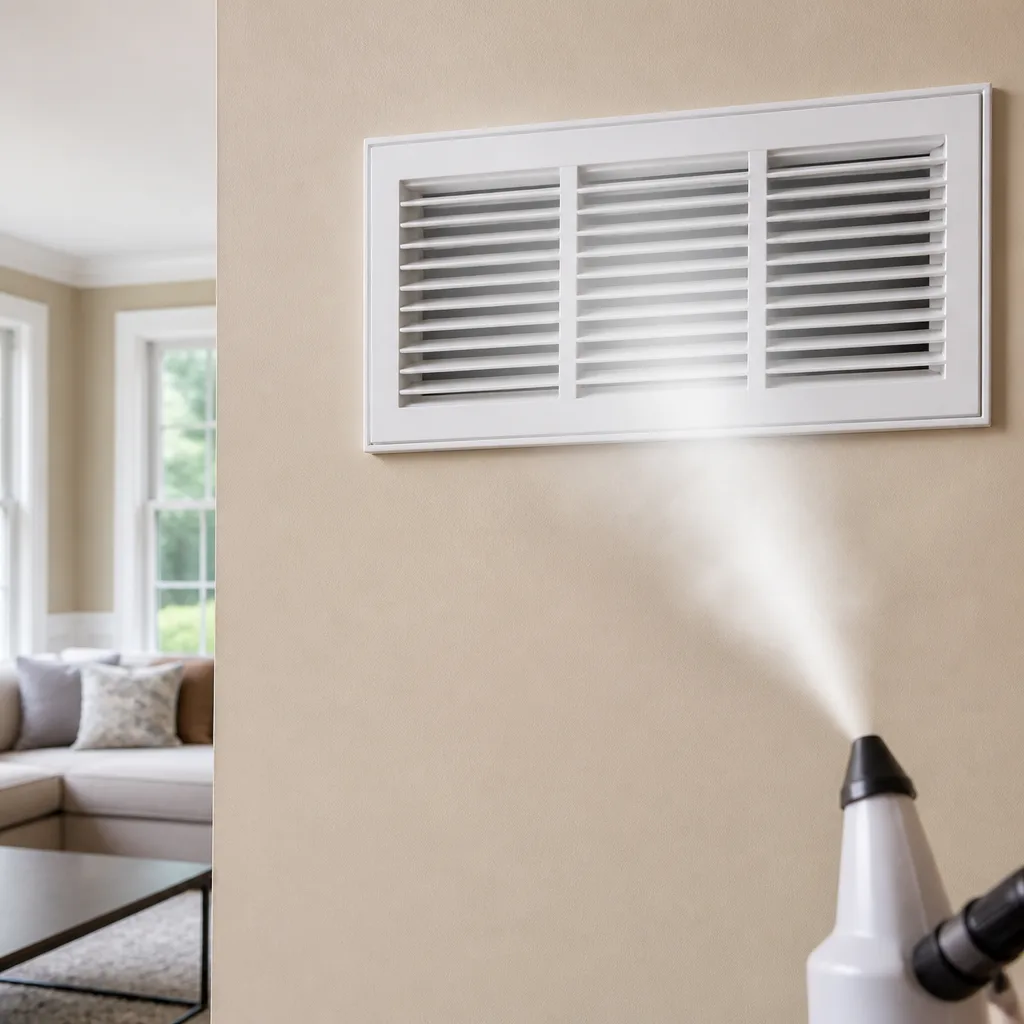 Sanitizing & deodorizing
Whole-system duct and dryer vent check with before-and-after photos - you see exactly what came out of your vents
That "$99 whole-house special" is a bait ad - the real number appears once they are in your hallway, or the "clean" is a shop-vac at the register. We photograph the inside of your ducts before and after instead.
How to Hire an Air Duct Cleaning Contractor in Silver Lake: A Step-by-Step Guide
The duct cleaning industry has no universal licensing requirement in California, which means the burden of vetting competence falls entirely on you, the homeowner. That’s a strange thing to hand a stranger with a vacuum hose and a ladder. But it also gives you leverage: when there’s no license to check, the contractor’s equipment list, job scope, and willingness to answer hard questions become the real credentials. This guide walks you through exactly what to ask, what to look for, and what should make you hang up the phone. You’ll finish knowing how to tell a genuine system specialist from a one-truck operation with a good-looking website, and that knowledge matters more in Silver Lake than most people realize.
Quick Answer
Hiring an air duct cleaning contractor in Silver Lake means verifying training and equipment before you book, not price. Ask about certifications, confirm they use professional-grade agitation and extraction systems like Rotobrush or Nikro, request a written scope of work, and get before-and-after photos of your own ducts. Any quote built around a flat “whole house for $99” offer is a bait-and-switch setup, not a real estimate. Call (877) 492-0146 for a free estimate from a team that treats duct repair and sanitizing as part of the job, not an upsell.
Styles & brands we work with
- Whole-home duct cleaning
- Dryer vent cleaning
- Camera inspection
- Sanitizing & deodorizing
Table of Contents
- Why There’s No License to Check in California
- Which Certifications Actually Mean Something
- Six Interview Questions to Ask Before Booking
- What a Proper Job Scope Should Include
- Equipment You Should See on the Job
- Red Flags in the Silver Lake Market
- How to Verify the Work Was Done Right
- How Often Does It Really Need Doing?
Why There’s No License to Check in California
California does not issue a specific license for air duct cleaning. There’s no state exam, no dedicated credential, and no registry you can search to confirm the person at your door knows what they’re doing. A contractor may hold a general building license, but that license covers construction work, not the specialized task of cleaning and preserving an HVAC system. This is the single most important thing to understand before you start calling around Silver Lake.
What this means practically is that anyone with a van, a hose, and a website can advertise duct cleaning. The gap between a genuine specialist and an opportunist isn’t visible on a business card. It shows up in how they answer questions, what equipment they bring, and whether they’re willing to put the job scope in writing before touching anything.
Insurance is your other layer here. Ask any contractor for proof of liability insurance and workers’ compensation coverage before they start. A professional operation provides a certificate without hesitation. If someone dodges that request, or says insurance is handled “through the company,” treat it as a stop sign. In a city where homes vary wildly from 1920s bungalows to newer builds, a technician working around old ductwork and tight crawl spaces should be covered, and so should you.
The good news is that the absence of licensing also means the market rewards transparency. A contractor who leads with equipment names, describes their process, and confirms insurance standing is telling you something real about how they operate.
Which Certifications Actually Mean Something
A wall of logos on a website proves nothing. Some industry associations require active membership and code-of-ethics compliance; others let anyone slap a badge on a page. Here’s how to sort them.
NADCA membership
The National Air Duct Cleaners Association is the closest thing to a recognized standard in this trade. NADCA members agree to follow a defined cleaning standard and can pursue certifications like the Air Systems Cleaning Specialist credential. NADCA membership alone doesn’t guarantee quality, but it signals a contractor has chosen to be accountable to an industry body. Ask directly whether they’re a member and what standard they follow.
EPA Lead-Safe certification
If your Silver Lake home was built before 1978, this one matters. Federal rules require contractors disturbing painted surfaces in pre-1978 homes to hold EPA Lead-Safe certification. Duct cleaning can involve opening walls, removing registers, and accessing chases, which can disturb lead-based paint. Ask for the certification if your home qualifies. A contractor who doesn’t know what you’re talking about hasn’t worked in older housing stock.
Logos that mean little
Generic “certified” badges with no agency behind them, “award-winning” graphics with no source, and “licensed and insured” as a catch-all phrase without documentation all fall into the meaningless category. A logo isn’t a credential unless it’s tied to an organization you can verify.
Ask for the underlying proof behind any badge. A specialist will explain exactly what their certification means and where it comes from.
Six Interview Questions to Ask Before Booking
This is the heart of the guide. The right questions separate specialists from pretenders faster than any online review. Ask them on the phone before anyone schedules a visit.
- What equipment will you bring? The answer should include named professional systems. Rotobrush rotary brush equipment and Nikro negative-pressure tools are purpose-built for ductwork. If the answer is “a big vacuum,” that’s a repurposed shop vac, not a duct cleaning system.
- How do you handle duct repair? Real cleaning reveals leaks. A specialist offers duct repair and sealing as a core service, because cleaning a leaking system just recontaminates it. If repair isn’t on the menu, ask who fixes what they find.
- What containment do you use? Dislodged dust and debris have to go somewhere. Professional operations use remediation-class containment like Abatement Technologies filtration to keep contaminants out of living spaces during service.
- Can you show me before-and-after photos of my own ducts? A contractor who photographs the work is a contractor willing to prove it. Anyone who hesitates here is hiding something.
- Is the price flat per system, or per vent? A flat price per system, agreed before work starts, is what you want. Per-vent pricing is how a low quote becomes a big invoice.
- Do you offer air quality treatment and filtration upgrades? A full-cycle specialist can integrate products like Honeywell or Aprilaire filtration during the same visit. If cleaning is all they do, you’ll end up hiring someone else for the rest.
Write the answers down. Two contractors who answer all six clearly are both viable. Anyone who stumbles on three or more is out.
What a Proper Job Scope Should Include
Before any work begins, you should have a written document that tells you exactly what will happen. This isn’t bureaucratic; it’s the difference between a defined job and an open-ended billing opportunity. In Silver Lake, where system configurations range from simple single-story setups to multi-zone arrangements, the scope should be specific to your home.
A complete scope of work covers:
- The number of supply and return vents being cleaned, and the square footage of ductwork
- The specific equipment being used, by name
- Whether air handler and coil cleaning is included in the HVAC cleaning portion
- Containment protocol and how negative pressure is maintained
- What happens if the technician finds leaks, disconnected runs, or microbial growth
- Whether sanitizing is included or priced separately
- The flat price for the whole system, in writing
- Before-and-after photo documentation of your own ducts
If any of these are missing, ask why. A specialist will walk through the document and explain each line. If the scope is vague or the answer is “we’ll figure it out on site,” you’re about to pay for surprises.
Equipment You Should See on the Job
The equipment a contractor brings is the most honest thing about them. Marketing copy fades; the gear either agitates and extracts dust or it doesn’t. When a professional arrives at a Silver Lake home, expect to see systems like these.
Rotobrush systems are the recognized standard for residential duct cleaning, using a rotary brush to physically loosen dust and debris from duct walls before extraction. Nikro equipment handles the negative-pressure side, pulling dislodged material out of the system instead of blowing it around. Abatement Technologies containment gear classifies as remediation-level, which is what you want when contaminants are being loosened inside an occupied home.
What you shouldn’t see: a shop vacuum duct-taped to a hose, no containment barrier, and no evidence of filtration. Those are the tools of a one-task operation, not a system specialist.
Ask about the extraction method too. High-efficiency filtration and negative pressure aren’t optional extras. They’re how you keep the air in your home cleaner during the job than it was before, which is the entire point.
Red Flags in the Silver Lake Market
Duct cleaning has a reputation problem for a reason. Bait-and-switch pricing is the industry’s favorite trick, and it shows up in Silver Lake the same way it does everywhere. Learning the patterns is a form of self-defense.
The “whole house for $99” offer
No legitimate operation cleans a full system for $99. That quote is the hook, not the price. Once the technician is inside, the script changes: “your ducts are worse than we thought,” “that price only covers the main trunk,” “you need sanitizing or you’ll never get the smell out.” The final invoice can run several times the advertised number.
Pressure upsell scripts
Watch for urgency. “We found mold, we need to treat it today” without photos, samples, or a written scope is a sales tactic, not a diagnosis. A genuine mold concern gets documented and explained, not used as a closing move.
Per-vent pricing disguised as a flat quote
A “starting at” number with a per-vent escalator is a bait price in disguise. Ask for the price per system, not per vent.
No repair capability
A contractor who cleans but can’t repair or seal a leak has to leave the problem for someone else. You’ll pay twice.
Brand-name dropping without brand-name equipment
Hearing Honeywell and Aprilaire in a sales pitch doesn’t mean those products are part of the job. Ask to see what’s actually being installed.
If any of these feel familiar, walk away. There’s no shortage of contractors in Silver Lake.
How to Verify the Work Was Done Right
You don’t need special tools to confirm a duct cleaning was thorough. You need documentation and a few minutes of observation after the crew leaves. Here’s a checklist.
- Review the before-and-after photos. They should show your specific ducts, not stock imagery. Compare duct interiors in the “before” to the same runs in the “after.”
- Check the registers and returns. Run your hand along the inside of a supply register. If it’s still coated in dust, the cleaning missed the ducts.
- Look for containment remnants. A professional job leaves no dust trails on floors, walls, or furniture. If containment wasn’t used or wasn’t removed cleanly, you’ll see evidence.
- Check the air handler area. If the system includes coil and blower cleaning, that area should be visibly cleaner than it was.
- Turn the system on and listen. Clean ducts shouldn’t introduce new rattles, and the airflow should feel the same or slightly better at the registers.
- Confirm the written report. You should have the final scope, any repairs made, and a note on whether sealing was completed.
If anything doesn’t match the original scope, that’s your cue to call the contractor back before the invoice is paid. A team that documents its work stands behind it.
How Often Does It Really Need Doing?
Most homes don’t need annual duct cleaning, no matter what a sales call suggests. A reasonable interval is every three to five years for a typical household, or sooner if specific conditions apply.
You should call for air duct cleaning sooner if:
- You’ve completed renovations that produced drywall dust or construction debris
- You’ve noticed persistent dust settling on surfaces shortly after cleaning
- There’s visible mold growth near registers or inside the system
- Pests have been in the ductwork
- Someone in the home has asthma or allergies that worsen indoors
- The system has never been cleaned, or you don’t know its history
Dryer vents are a separate timeline entirely. That’s a fire safety issue, not just an air quality one, and it warrants its own schedule. If you’ve never had dryer vent cleaning done in a Silver Lake home with a long vent run, that alone justifies a professional visit. Duct repair and sealing is done when leaks are found; a proper cleaning usually surfaces them.
Ask a contractor to assess your specific system and recommend an interval based on what they find, not a generic annual schedule.
Common Mistakes to Avoid
- Booking on price alone. The cheapest quote in Silver Lake is often the most expensive invoice. Compare scopes and equipment, not just numbers.
- Accepting a phone quote as final. A real estimate accounts for your system size and configuration. A price quoted without looking at the system is a bait number.
- Skipping the insurance check. Without proof of liability coverage, you’re exposed if something in your home is damaged.
- Not asking about duct repair. Cleaning a leaking duct system just recontaminates it. Confirm repair capability before booking.
- Ignoring the containment question. A duct cleaning that doesn’t contain the debris leaves your home dustier than it started.
- Paying before the documentation arrives. Withhold final review until you’ve seen before-and-after photos of your own ducts.
- Assuming certification is required. It isn’t in California, which is exactly why you have to verify training and equipment yourself.
See the difference
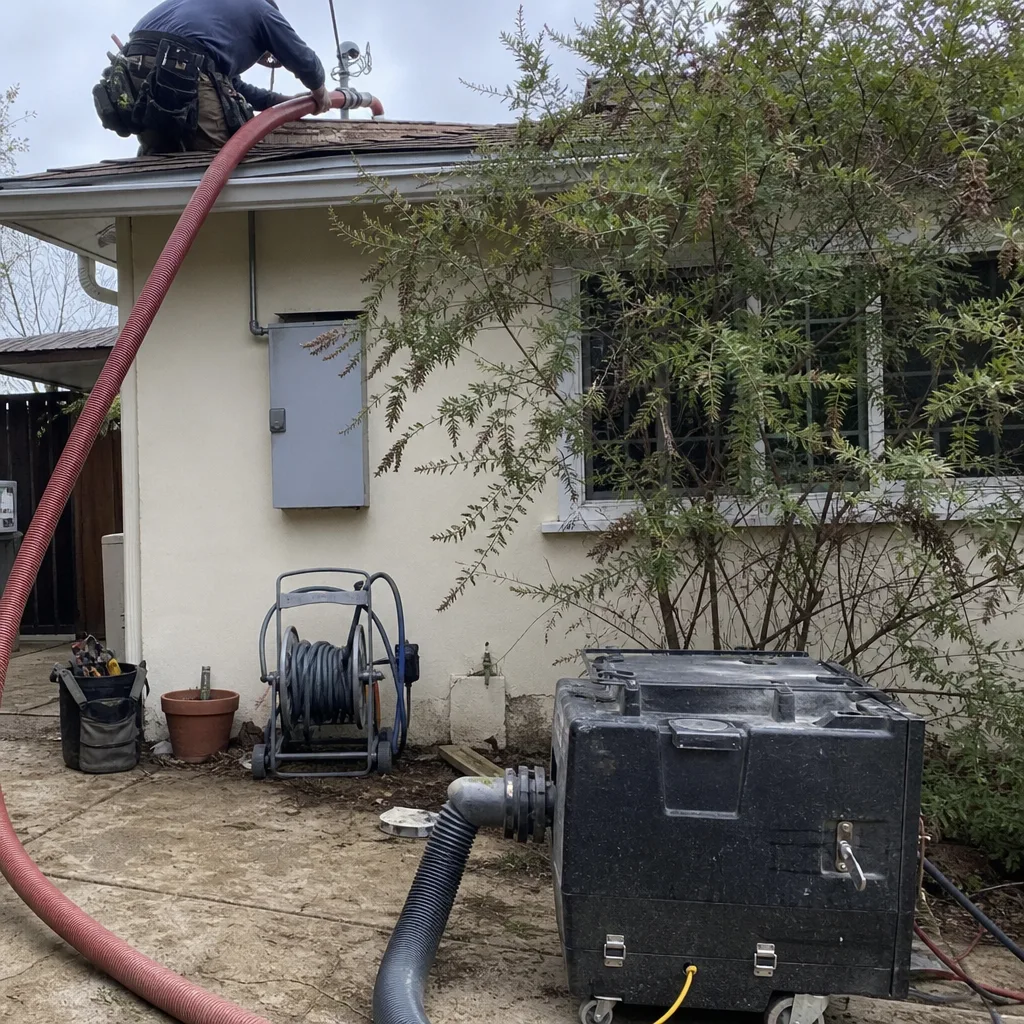 Before
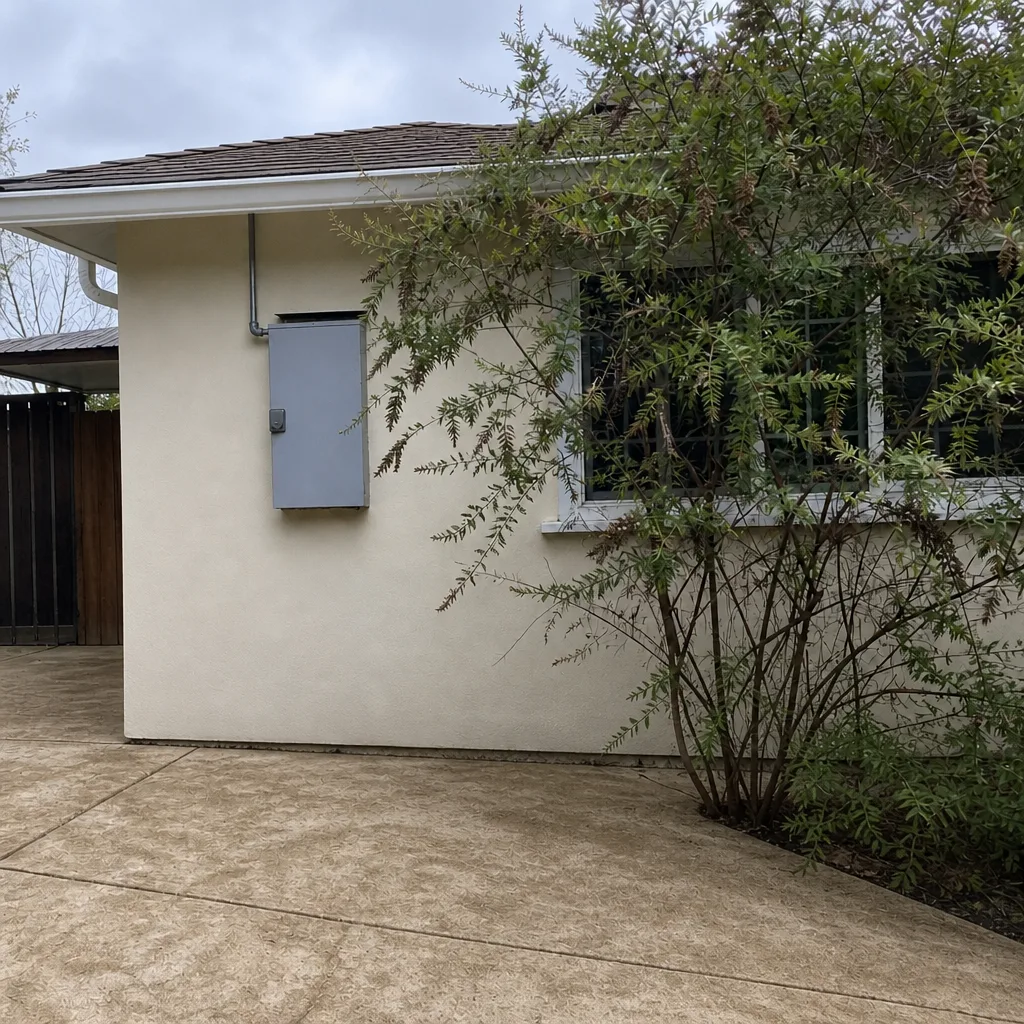 After
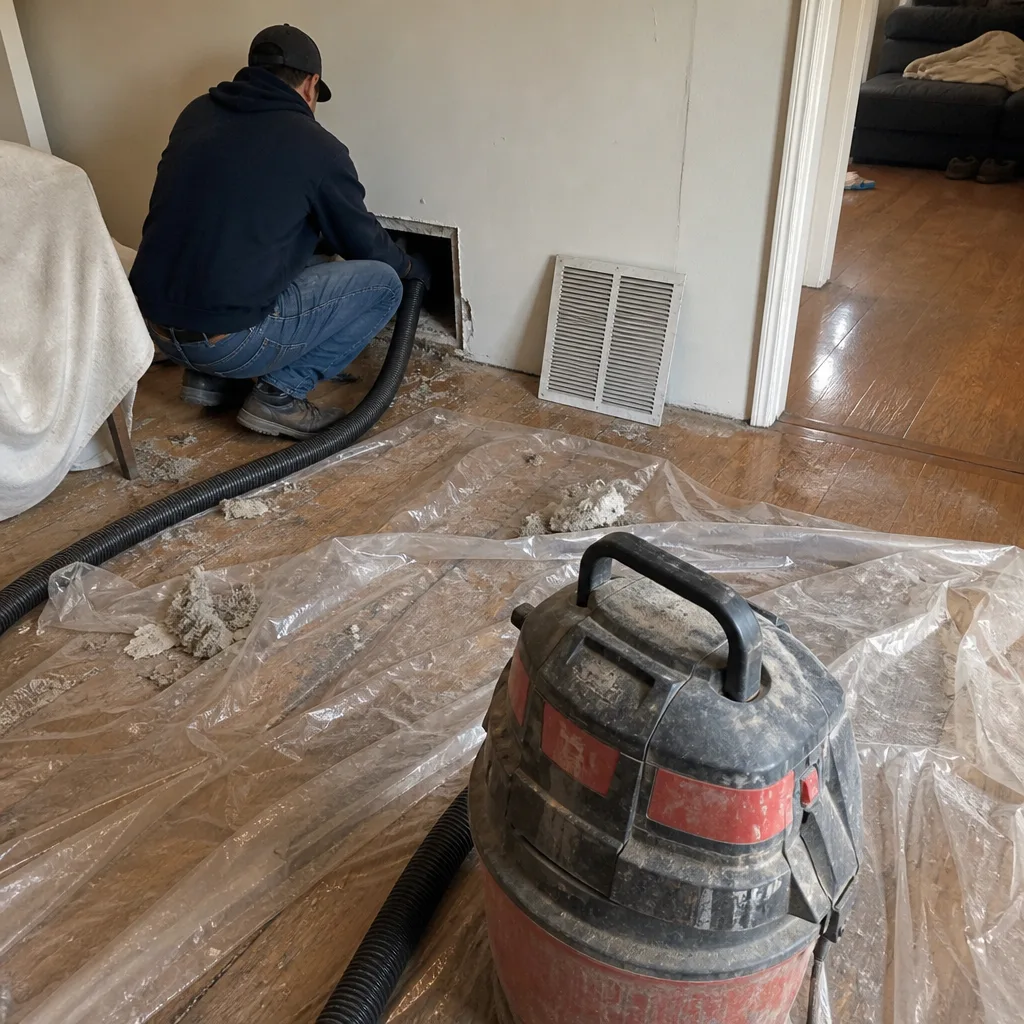 Before
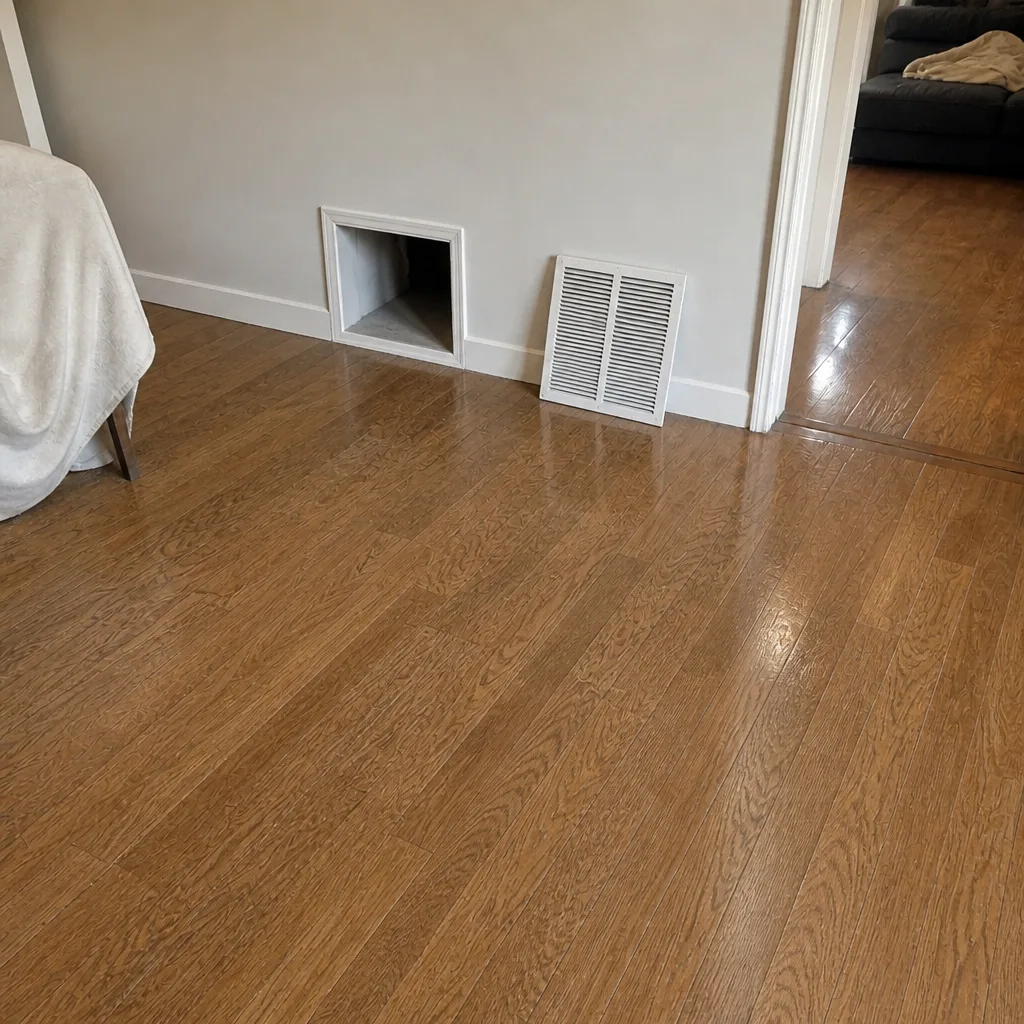 After
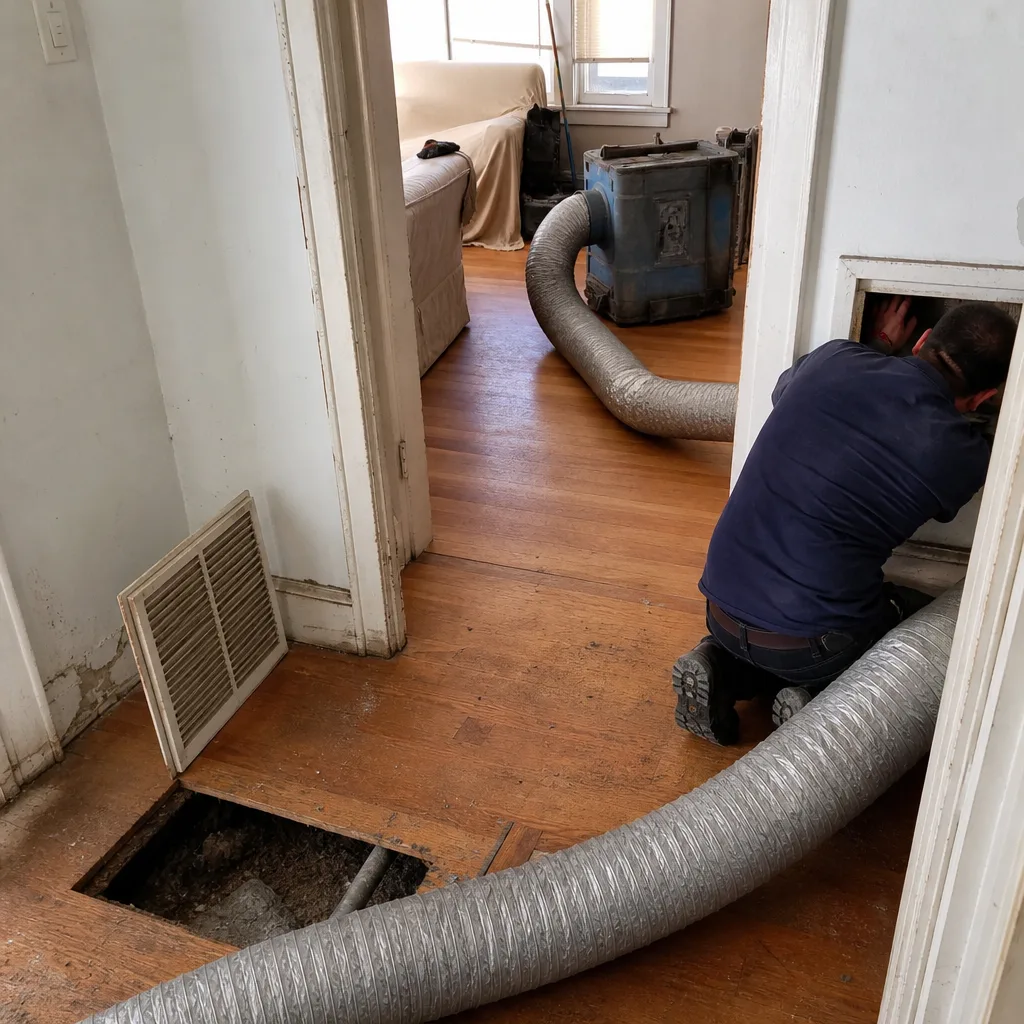 Before
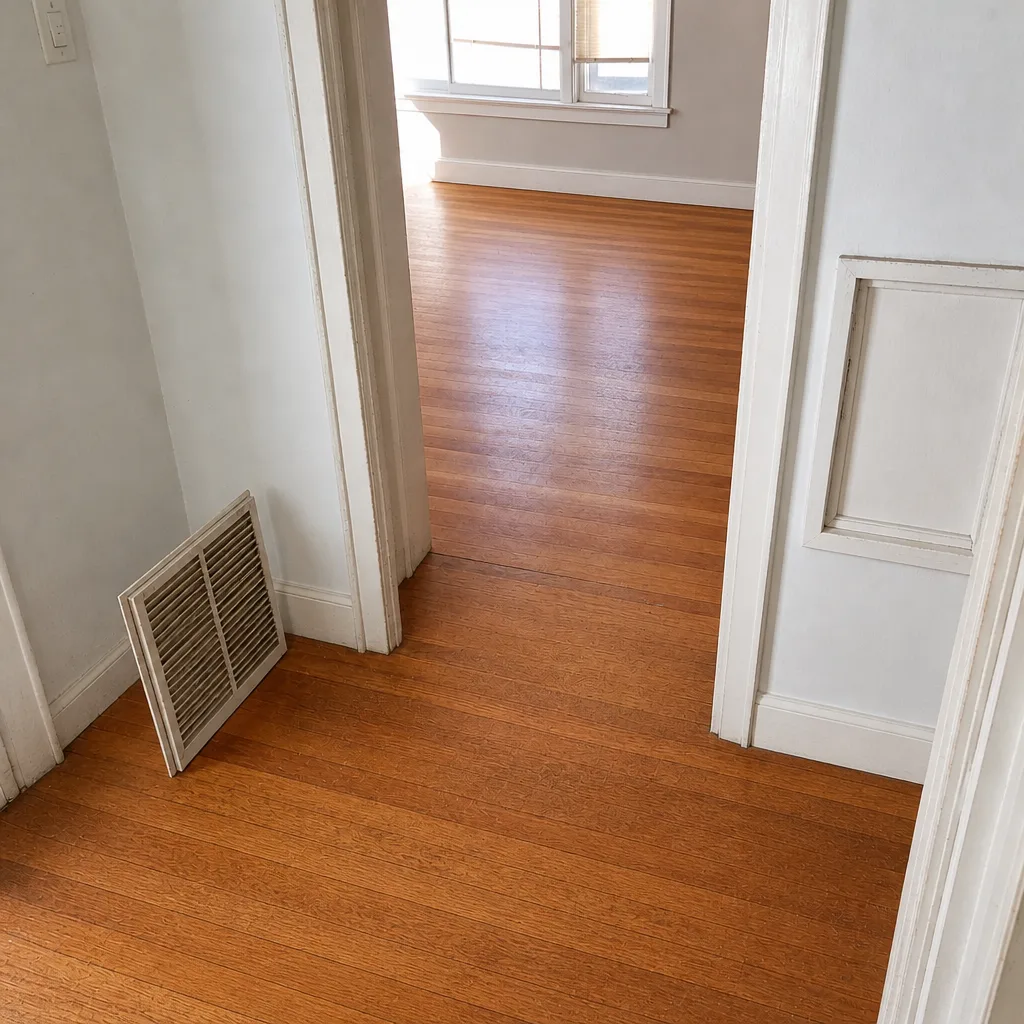 After
When to Call a Professional
A duct cleaning isn’t an emergency purchase, but there are situations where waiting makes things worse. Persistent dust that returns within days of cleaning, visible mold near registers, a musty odor that worsens when the HVAC runs, or a dryer that takes two cycles to dry a load are all signs the system needs professional attention. Renovation dust in a Silver Lake home after a remodel is another trigger, especially in older houses where ductwork may be less well-sealed than the rest of the build. If a contractor you called says “your whole house for $99” and asks for a credit card before a technician arrives, that’s the moment to close the door and call a specialist instead. Air Duct Cleaning Silver Lake offers free estimates in Silver Lake – call (877) 492-0146. We answer 24/7, with fast dispatch from 7am to 7pm, Sunday through Friday.
Frequently Asked Questions
Typical whole-system cleaning in Silver Lake runs from a few hundred dollars into the low four figures depending on system size, duct length, and whether repair or sanitizing is included. We don’t quote per vent. You get one flat price per system, agreed in writing before work starts. Call (877) 492-0146 for an exact quote – estimates are free.
Low quotes are teaser prices, not real estimates. The advertised number covers a fraction of the system, and once the technician is on site, the scope expands: more vents, sanitizing, repairs. A genuine estimate accounts for the whole system up front. Call us for a flat quote based on your actual system.
No. California doesn’t issue a dedicated duct cleaning license, so there’s no single credential to verify. Look instead for NADCA membership, EPA Lead-Safe certification on pre-1978 homes, proof of insurance, and named professional equipment like Rotobrush and Nikro. Call (877) 492-0146 to ask what our technicians bring.
Before-and-after photos of your own ducts, not stock images. A written report documenting the scope, any repairs made, and whether sealing was completed. Visible cleanliness at the registers after the crew leaves. If a contractor can’t provide that, the job isn’t done. Call us to see how we document every cleaning.
Often not, unless the system has never been cleaned or you’ve had recent renovations. Newer Silver Lake builds tend to have tighter ductwork, which reduces contamination. Get an assessment first. Call (877) 492-0146 – estimates are free.
Yes. In fact, it should be. Cleaning reveals leaks, and sealing them during the same job prevents the system from recontaminating. We treat air duct cleaning in Silver Lake as the start of a full-cycle process, not the end. Call (877) 492-0146 to book a visit that includes repair and sanitizing.
Every three to five years for a typical Silver Lake home, sooner after renovations, pest activity, or visible mold. There’s no benefit to annual cleaning unless a specific problem warrants it. Call (877) 492-0146 for an assessment of your system.
The Bottom Line
Hiring an air duct cleaning contractor in Silver Lake comes down to a handful of verifiable facts: who can prove their training, who uses professional equipment like Rotobrush and Nikro, who documents the job with before-and-after photos of your own ducts, and who puts a flat price per system in writing before work begins. The absence of licensing in California raises the stakes on those questions. Ask them on the phone. Compare scopes, not just quotes. And walk away from any offer that starts at $99 and expands on site. A proper cleaning, repair, and treatment leaves you with cleaner air and a system that holds it.
Call (877) 492-0146. We answer 24/7. Fast dispatch from 7am to 7pm, Sunday through Friday. Closed Saturday. The estimate is free, and one visit covers cleaning, any needed repairs, and sanitizing.
Written by the team at Air Duct Cleaning Silver Lake.