
Last updated November 22, 2026
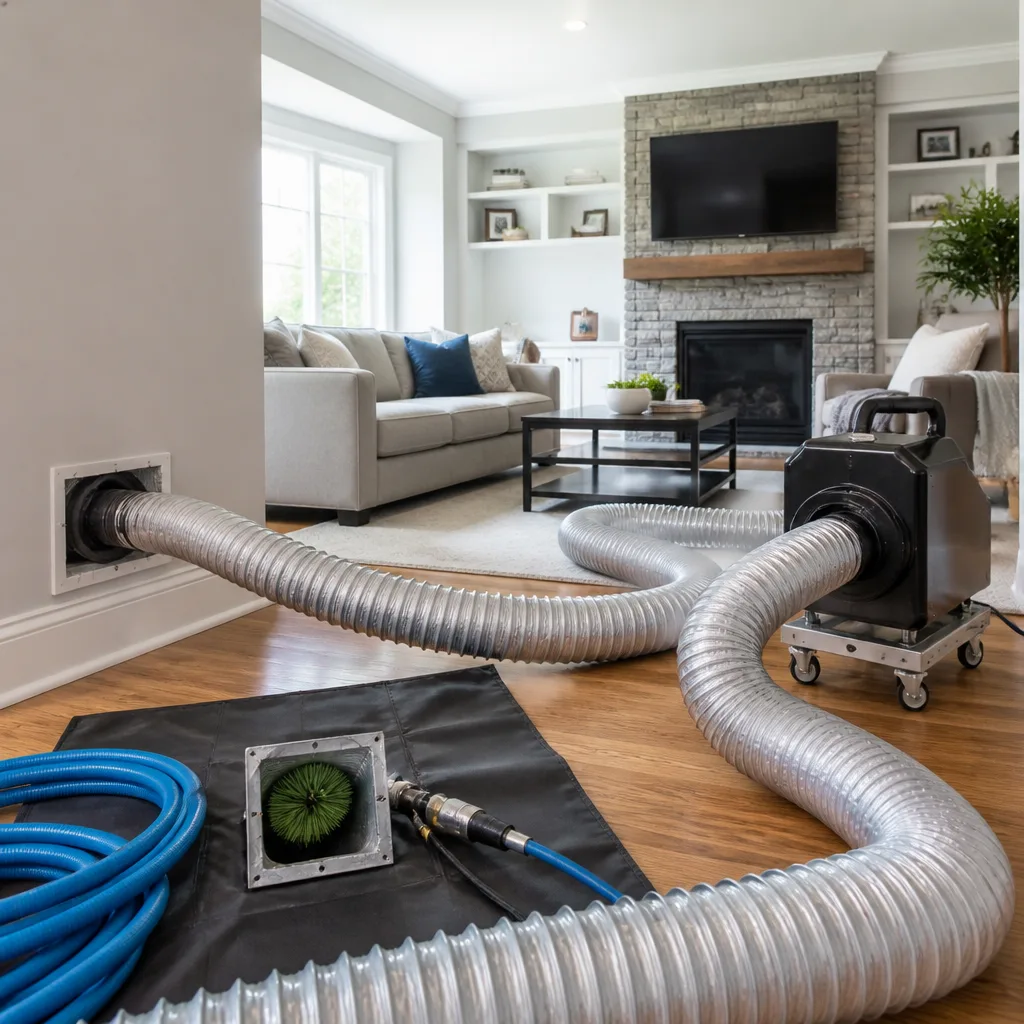 Whole-home duct cleaning
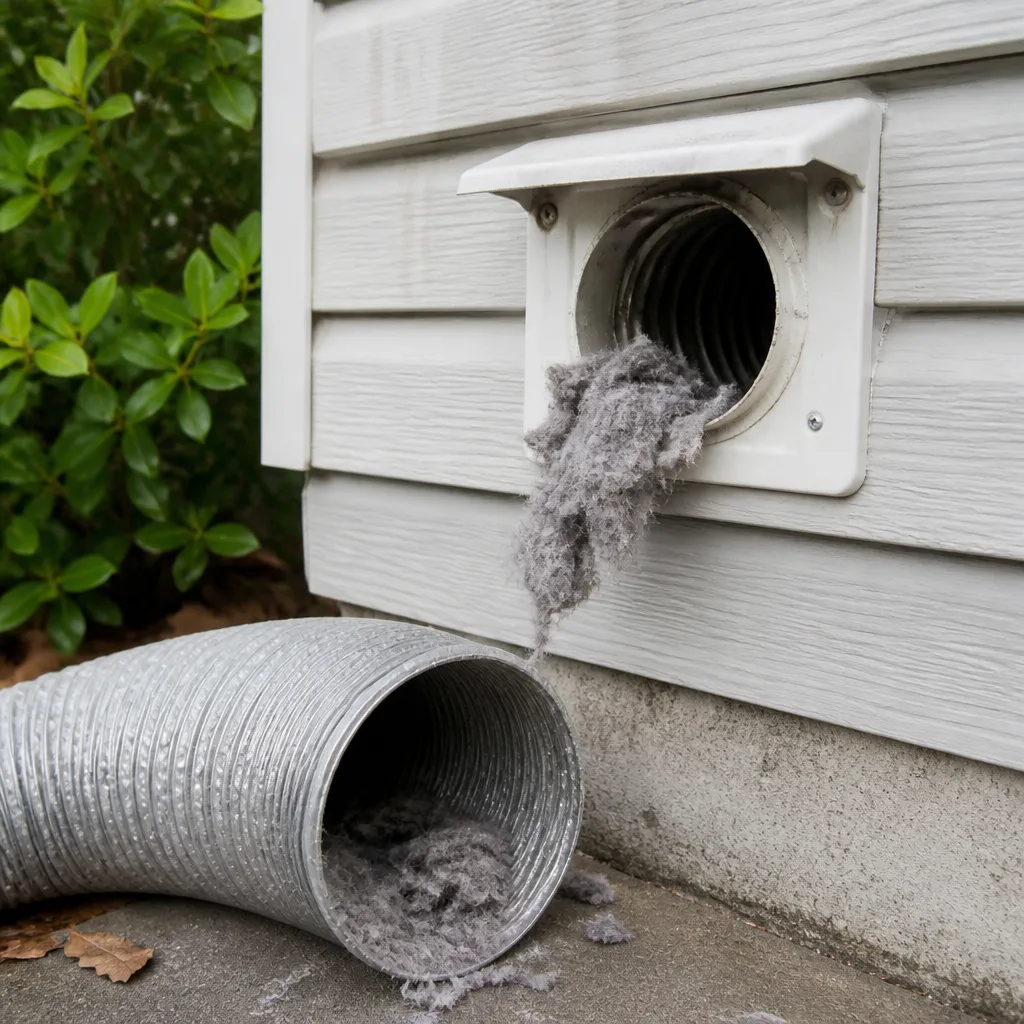 Dryer vent cleaning
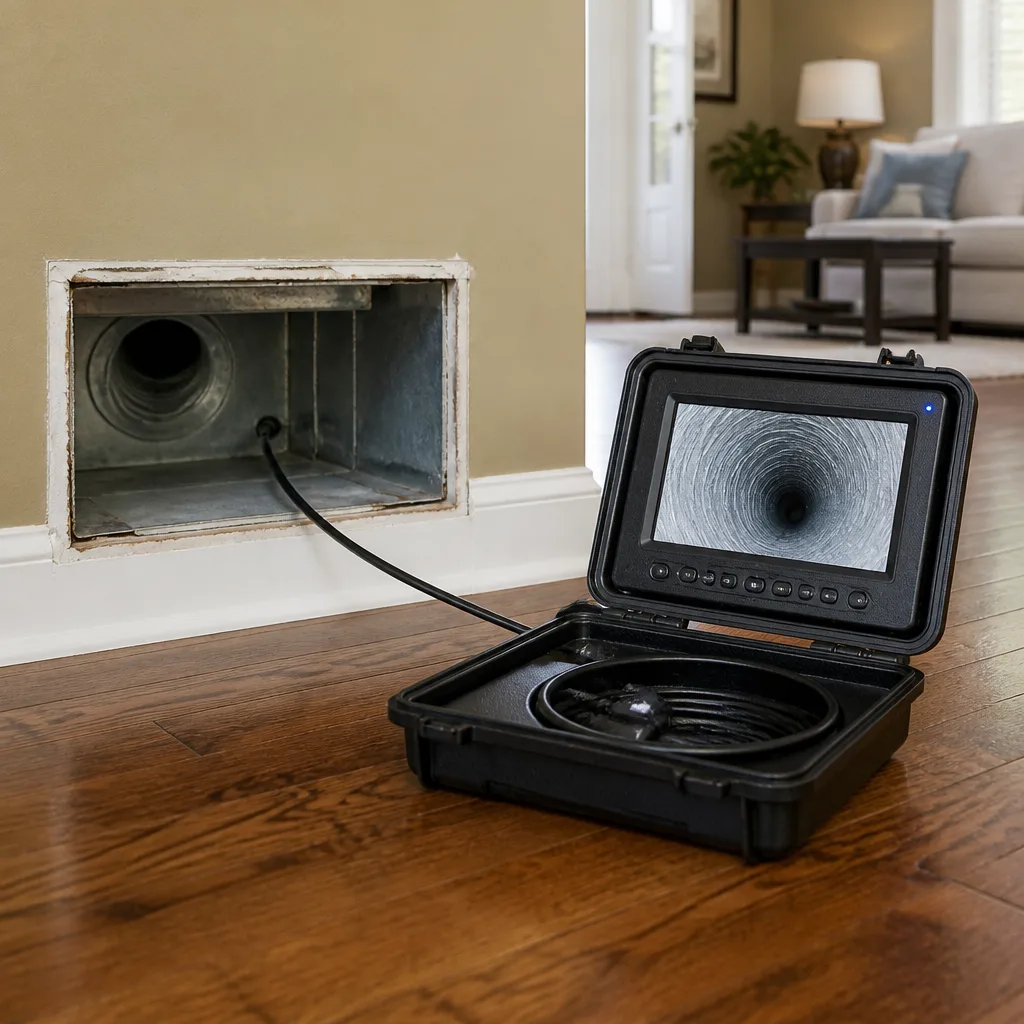 Camera inspection
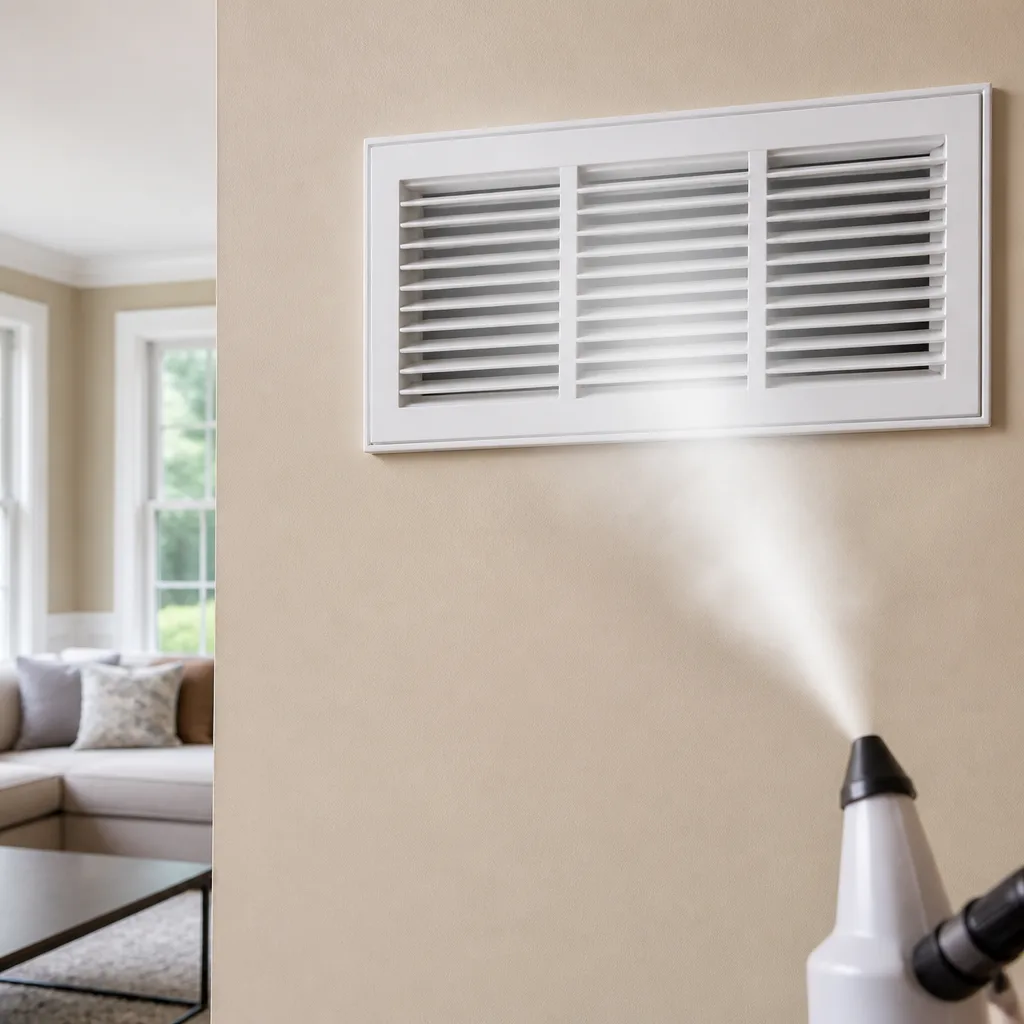 Sanitizing & deodorizing
Whole-system duct and dryer vent check with before-and-after photos - you see exactly what came out of your vents
That "$99 whole-house special" is a bait ad - the real number appears once they are in your hallway, or the "clean" is a shop-vac at the register. We photograph the inside of your ducts before and after instead.
Air Duct Cleaning Emergency Preparedness Guide for Silver Lake Homes
Most Silver Lake homeowners have an earthquake kit in the hall closet and an evacuation route mapped to the reservoir. Almost none of them know what to do with the HVAC system when the sky turns orange. That gap is real. Every duct in a house is a network of connected openings that pulls outside air in and pushes inside air out, and during a smoke event the system will happily keep doing that for hours unless someone intervenes. This guide covers what to do before a wildfire smoke event, what to check after the ground moves, and how to build a simple emergency file for your ducts so a professional can assess your system quickly when something goes wrong.
Quick Answer
Before a smoke or ash event, set your system to recirculate, upgrade to a MERV-13 filter, and shut the system off once smoke is heavy. After an earthquake, have a technician inspect ducts for dislodged connections and shifted flex runs before you run the system for long. After sustained smoke exposure, a full mechanical cleaning plus sanitizing is usually warranted. A duct system emergency file with photos and service records helps a professional pinpoint problems in minutes rather than hours.
Styles & brands we work with
- Whole-home duct cleaning
- Dryer vent cleaning
- Camera inspection
- Sanitizing & deodorizing
Table of Contents
- What to do before a wildfire smoke event
- What to inspect after an earthquake
- Post-fire-smoke cleaning: when to clean and when to wait
- How to build a duct system emergency file
- Hardening your system for Silver Lake’s risk profile
- What to do during the event itself
- Common mistakes to avoid
- When to call a professional
What to Do Before a Wildfire Smoke Event
The time to prepare your ducts is before the air quality index climbs into the red, not the morning the sky turns brown. Silver Lake sits in a bowl of hills south of the Griffith Park ridge, and smoke from northern canyon fires can settle into the basin in a matter of hours. When it does, every crack in a duct joint becomes an intake port.
Here’s the practical sequence most homeowners skip:
- Upgrade your filter. A MERV-13 filter is the sweet spot for most residential systems. Higher than that and the airflow restriction can strain the blower. Lower than that and you’re barely filtering particulates. Before you swap, check the filter slot dimensions on the unit or inside the return grille.
- Switch the thermostat to fan “on” instead of auto. In auto mode, the fan only runs when the system calls for heating or cooling. In fan-on mode, the fan runs continuously, which lets the filter process more air through the day.
- Set the system to recirculate. If you have a fresh-air intake or an economizer setting on your system, turn it off. You do not want to pull outside air into a house during a smoke event.
- Seal obvious cracks. Weatherstripping around doors and windows helps, but so does checking the return grille and supply register fit. A loose register puts unfiltered air into the room.
- Stock spare filters. Have at least two MERV-13 filters on hand. During a multi-day smoke event, one filter can load up fast.
The point of the prep work is to reduce how much contamination gets into the ducts in the first place. Once smoke particulates settle into the system, they can stay there long after the air clears. A properly configured system catches most of the problem at the filter. An improperly configured system moves the problem into every duct run.
What to Inspect After an Earthquake
Seismic movement does more damage to ductwork than most homeowners realize, and most of it happens in places you’ll never see from a supply register. When the ground shakes, the rigid trunk lines and the flexible branch runs between them move at different rates. That differential movement is what breaks things.
Here’s what a post-earthquake duct inspection should cover:
- Joints at the air handler. The connection between the main duct trunk and the furnace or air handler is a common failure point. Seismic movement can pull this joint loose, which dumps conditioned air (and unfiltered attic or crawlspace air) into the mechanical space.
- Flex duct runs. Flexible duct is designed to sag slightly. After a quake, a flex run that was properly supported might now be pinched, kinked, or disconnected from its collar. If air is leaking at a disconnected collar in an attic or crawlspace, you won’t notice until the energy bill climbs.
- Sealed duct joints. Mastic and foil tape can crack under stress. A joint that was airtight before the quake might be open a sixteenth of an inch now. That gap is enough to leak conditioned air and pull in dust.
- Duct strap and hanger hardware. Metal strapping and hangers can loosen. A sagging run can create a low spot where dust and debris accumulate.
- Registers and grilles. These are easy to check yourself. If a supply register is loose in its boot, that’s a sign the run behind it has shifted.
We’ve seen enough post-quake systems in Silver Lake to know that a five-minute visual check from the register isn’t enough. The serious problems are in the attic, the crawlspace, and the mechanical closet. A duct repair and sealing service is the right call after any quake that was strong enough to knock things off shelves.
If you need a full inspection after seismic activity, our air duct cleaning Silver Lake team can assess the entire system, not just the visible runs.
Post-Fire-Smoke Cleaning: When to Clean and When to Wait
Not every smoke event requires a full duct cleaning. The decision comes down to exposure duration and smoke density. Here’s how we think about it:
- Short event, system off, light smoke (a few hours): Change the filter, run the system in recirculation mode for a day with windows closed, and observe. If odors persist or dust reappears on surfaces, escalate.
- Multi-day event with the system running: A full mechanical cleaning is usually warranted. Smoke particulates that have entered the ducts won’t leave on their own. They recirculate every time the system cycles.
- Multi-day event with visible ash intrusion: Clean immediately. Ash is abrasive and containing heavy metals and other combustion byproducts. It doesn’t belong in a living space.
- Repeated smoke exposure over a fire season: A sanitizing treatment in addition to cleaning is worth discussing. Biological contaminants (mold spores, bacteria, odors) can take hold in a moist, smoky environment.
Our rule of thumb: if you can still smell smoke in the house a week after the sky cleared, the ducts likely need attention. The odor molecules settle into dust and debris inside the system, and no amount of open windows will get rid of them. A professional air duct cleaning with the right equipment, specifically a Rotobrush rotary brush system for mechanical agitation and a Nikro negative-pressure setup for extraction, is what moves that debris out rather than just stirring it up.
One important note about the cleaning itself: any competent duct cleaning company should be using containment equipment. We use Abatement Technologies filtration and containment on every job, because dislodged contaminants that recirculate into living spaces defeat the purpose of cleaning. If a company shows up without containment gear, send them away.
How to Build a Duct System Emergency File
An emergency file is a single folder (physical or digital) that a professional can open and understand your duct system in five minutes. During a real emergency, time matters. Having this ready before an event means an assessment starts from a strong position.
Here’s what to include:
- Photos of every accessible duct run. Attic, crawlspace, mechanical closet, and every register and return. Take them with a phone and label them by location.
- A diagram of the system layout. It doesn’t need to be architectural. A hand sketch showing the air handler, main trunk, and where the branch runs go is enough.
- The service history. Date, company, and what was done. Include filter changes, cleanings, repairs, and any sealing work.
- Equipment specs. Make and model of the air handler and furnace. Filter slot dimensions. Whether you have a fresh-air intake.
- A short note on any known issues. A flex run that was always a little saggy. A joint that was sealed years ago with mastic. Anything a technician should know.
Store the file where you keep your other emergency documents. If you evacuate, the file goes with you. If you don’t, it’s right there for the technician who shows up after the event.
For property managers with multiple units, a file per system saves enormous time. We work with property managers throughout Silver Lake on full-system HVAC cleaning, and the buildings with organized files always get faster, more accurate assessments.
Hardening Your System for Silver Lake’s Risk Profile
“Hardening” is a term that comes from wildfire preparation for the structure itself: fire-resistant roofing, ember-resistant vents, defensible space. The same principle applies to your duct system. You’re not preventing events, you’re reducing how much damage an event does.
Silver Lake’s risk profile is specific. The neighborhood sits among mature trees and hillside homes, with narrow streets and canyon proximity. Wildfire smoke events are a recurring reality. Seismic activity is a recurring reality. Both stress the duct system in different ways.
The hardening recommendations that matter most:
- Better duct sealing. Every joint that’s properly sealed with mastic or foil tape is a joint that won’t leak smoke, ash, or unfiltered air during an event. Sealing is also the single best energy-efficiency improvement most homes can make.
- MERV-13 filtration. The filter is your system’s first line of defense. A MERV-13 rated filter catches most smoke particulates and is compatible with the vast majority of residential systems. We install Honeywell and Aprilaire filtration products, both of which are recognized national air quality brands.
- Damper controls. A properly installed zone damper or fresh-air damper lets you close off outside air during a smoke event. Not every home has these, but adding them is worth discussing.
- System shutoff capacity. You should know exactly where the breaker or switch is that turns off the entire system. When a smoke event hits, you want to shut the system down before it pulls in more outside air.
- Sanitizing capabilities. A Guardsman protective treatment applied during cleaning and sanitizing leaves the system resistant to biological growth. It’s a small addition that pays off during repeated smoke exposure.
Hardening isn’t a one-time job. It’s a list of upgrades you work through over time as your budget allows. Start with sealing and filtration. Add damper controls and sanitizing when the system is next serviced.
What to Do During the Event Itself
During an active smoke event, or in the first hours after an earthquake, the right moves are simple but specific. Here’s the sequence:
- Close all windows and doors. Obvious but critical. Every open window is an intake port.
- Turn off your fresh-air intake. If the system has an economizer or outside air damper, close it.
- Run the system on recirculate with the fan on. The filter is doing the work here. Change it when it visibly loads up.
- Shut the system down entirely if smoke is heavy. If the air outside is thick enough to make you squint, the system isn’t helping. Turn it off and wait.
- After an earthquake, don’t run the system until you’ve checked for obvious damage. If you smell burning or hear weird noises at the air handler, shut it down and call for an inspection.
One more thing: don’t just run the system on auto and hope for the best. Auto mode responds to thermostat calls, which means the fan cycles on and off and the filter does far less work over a given hour. Fan-on mode is the difference between a filter that actually catches smoke particulates and one that barely gets a chance.
Common Mistakes to Avoid
- Running the system on auto during a smoke event. Auto mode lets the fan cycle off, which means smoke particulates load into the system during the off periods. Set the fan to on so the filter actually gets a workout.
- Upgrading to a MERV-16 filter without checking airflow. A filter that’s too restrictive will strain the blower and shorten its life. MERV-13 is the right target for most homes. The higher rating isn’t a better rating.
- Cleaning only the visible ducts. A surface vacuuming of the supply runs covers maybe 20% of the system. The air handler, return chase, and the trunk lines are where most contamination settles.
- Skipping the post-quake inspection. If a quake was strong enough to rattle pictures off the wall, it was strong enough to loosen duct connections. The damage isn’t visible from a register.
- Not using containment equipment. A duct cleaning without containment stirs up dislodged contaminants and sends them into the living space. That’s why we use Abatement Technologies filtration on every job.
- Hiring a company that quotes per vent. Per-vent pricing hides the real cost. A system has a finite number of vents, and the contamination is proportional to the total run length, not the vent count. Whole-system pricing is the only honest pricing.
- Waiting out a smoke event with the system off and no filter upgrade in place. The system doesn’t clean itself. After the event passes, change the filter and, if you were running the system during the event, schedule a cleaning.
See the difference
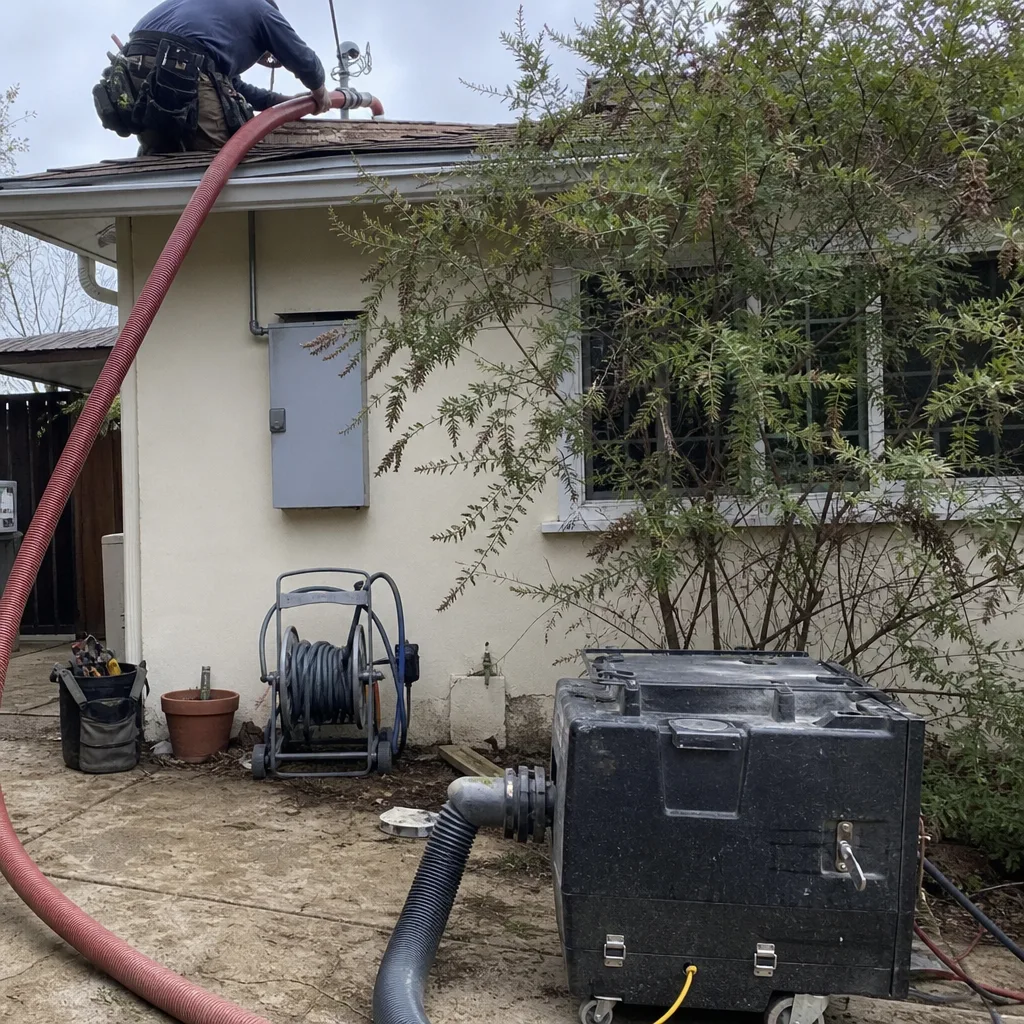 Before
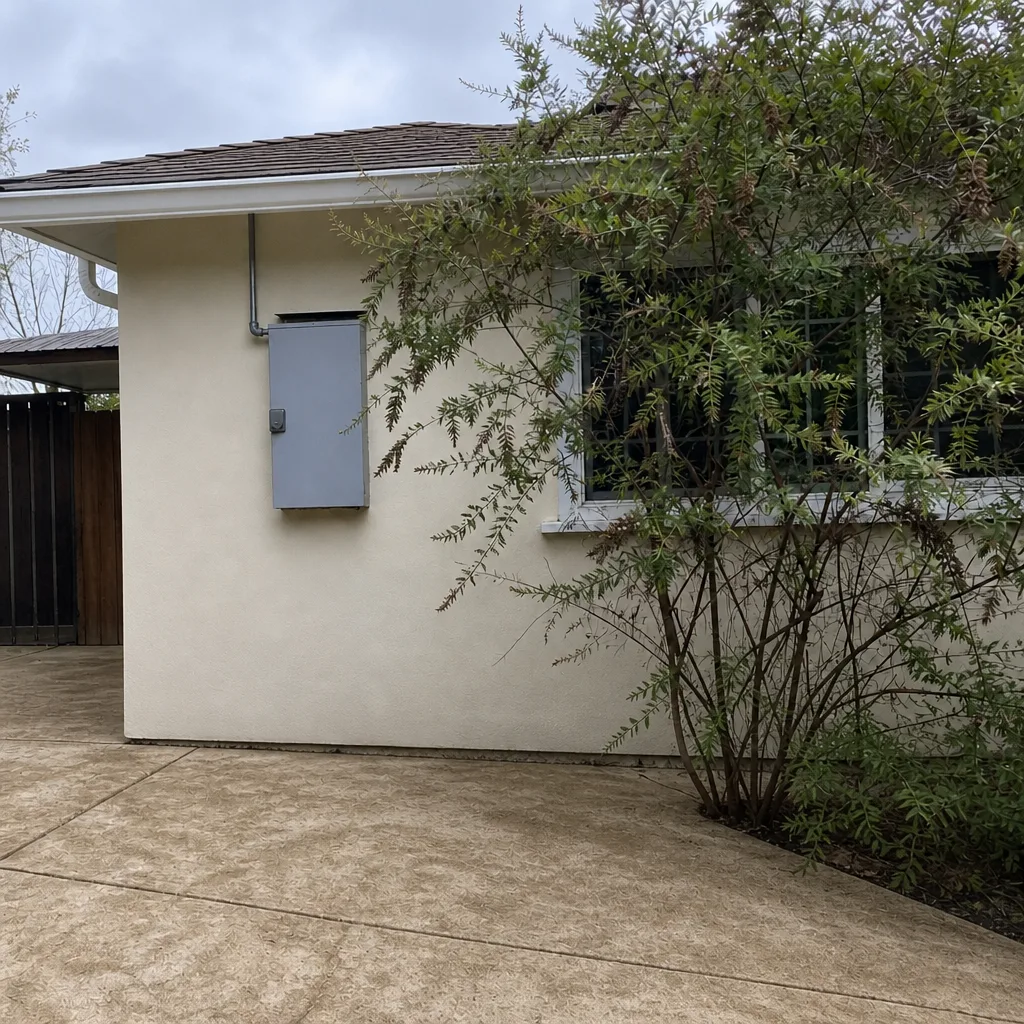 After
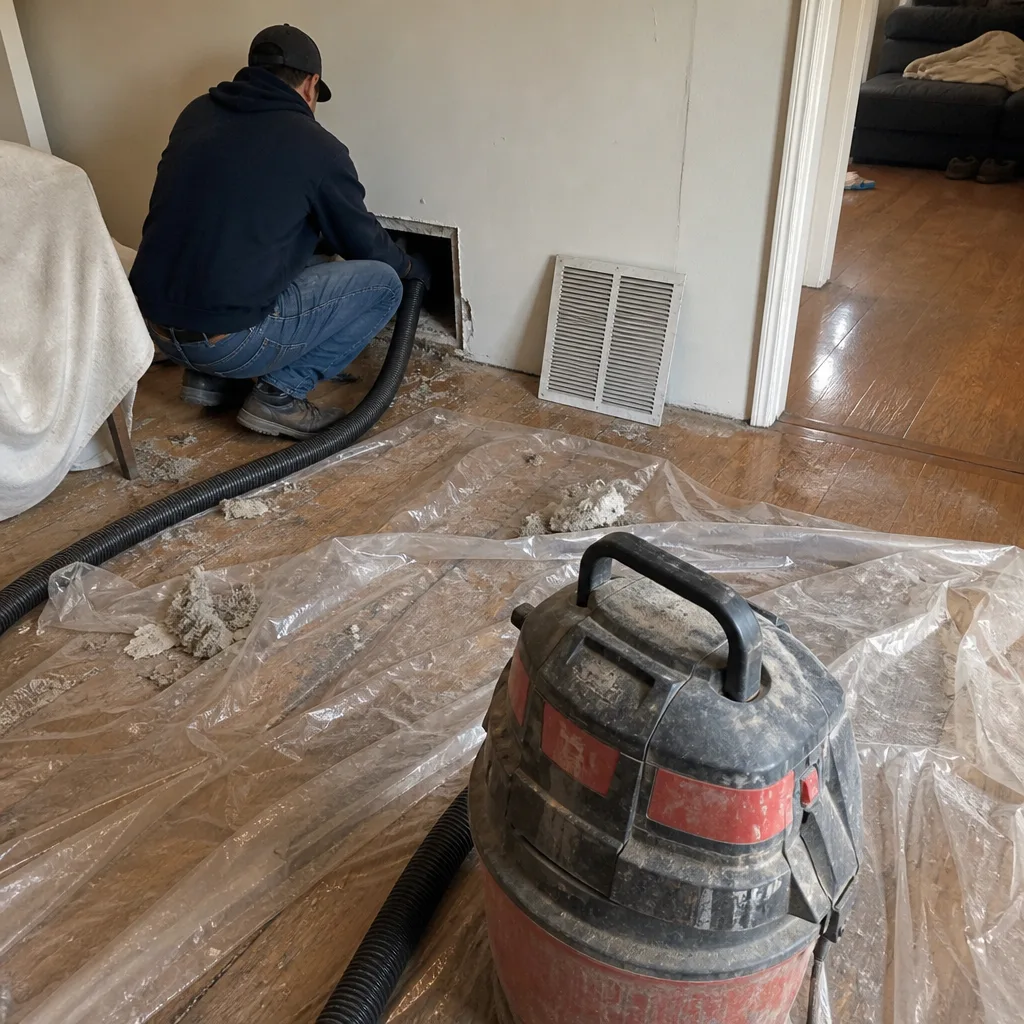 Before
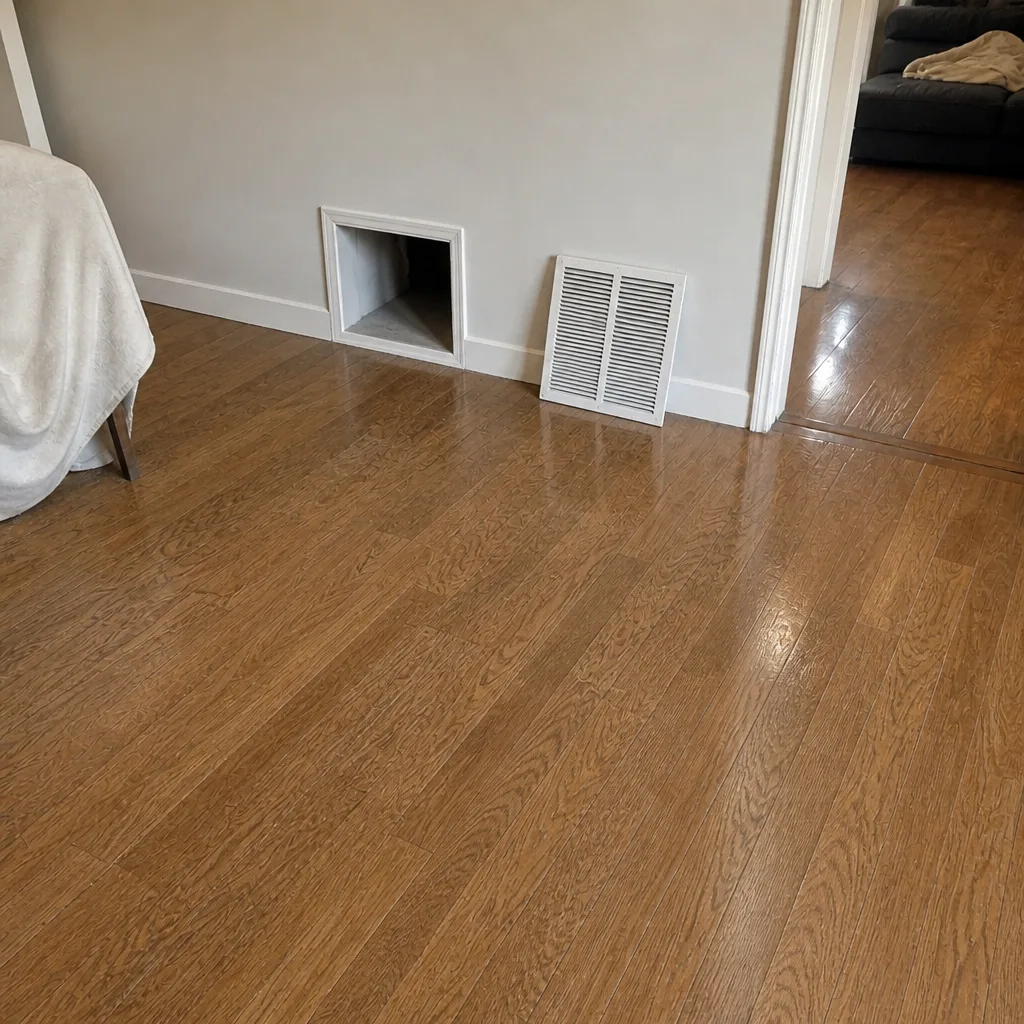 After
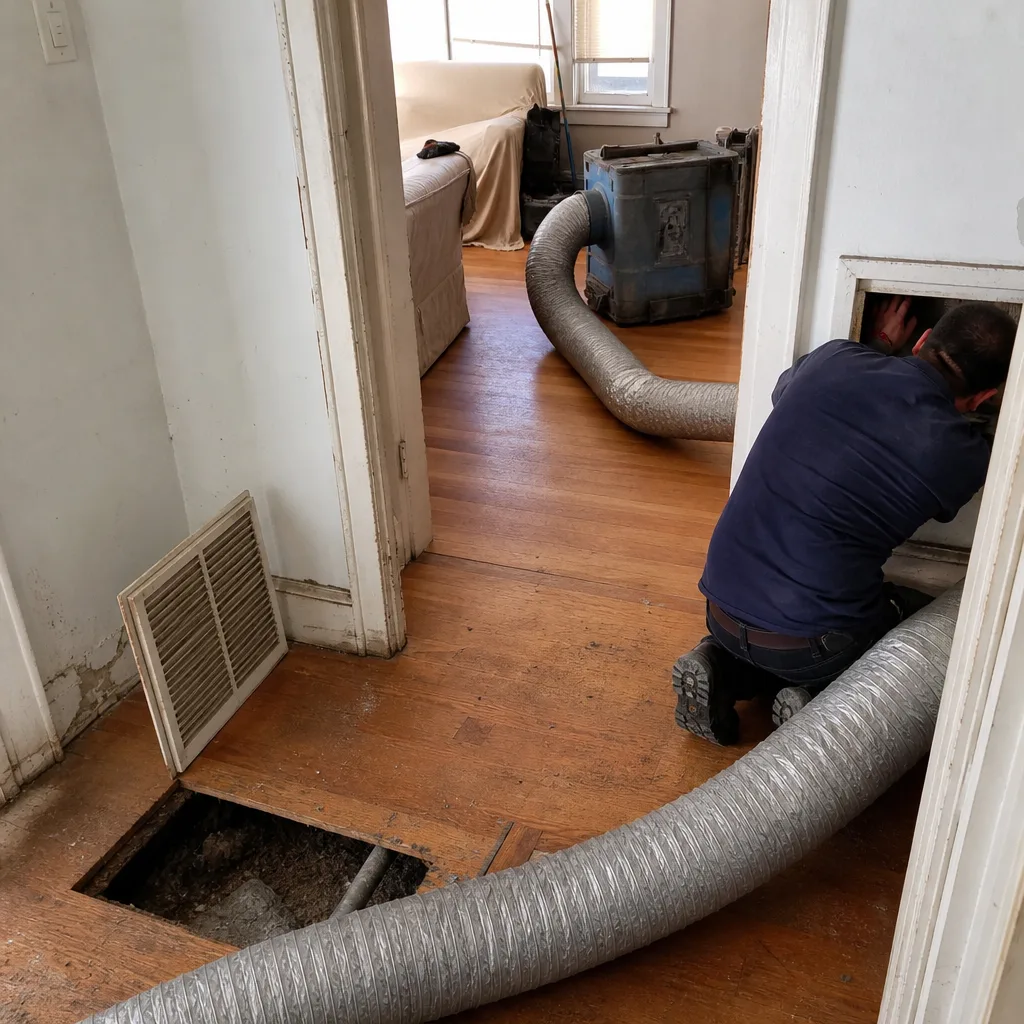 Before
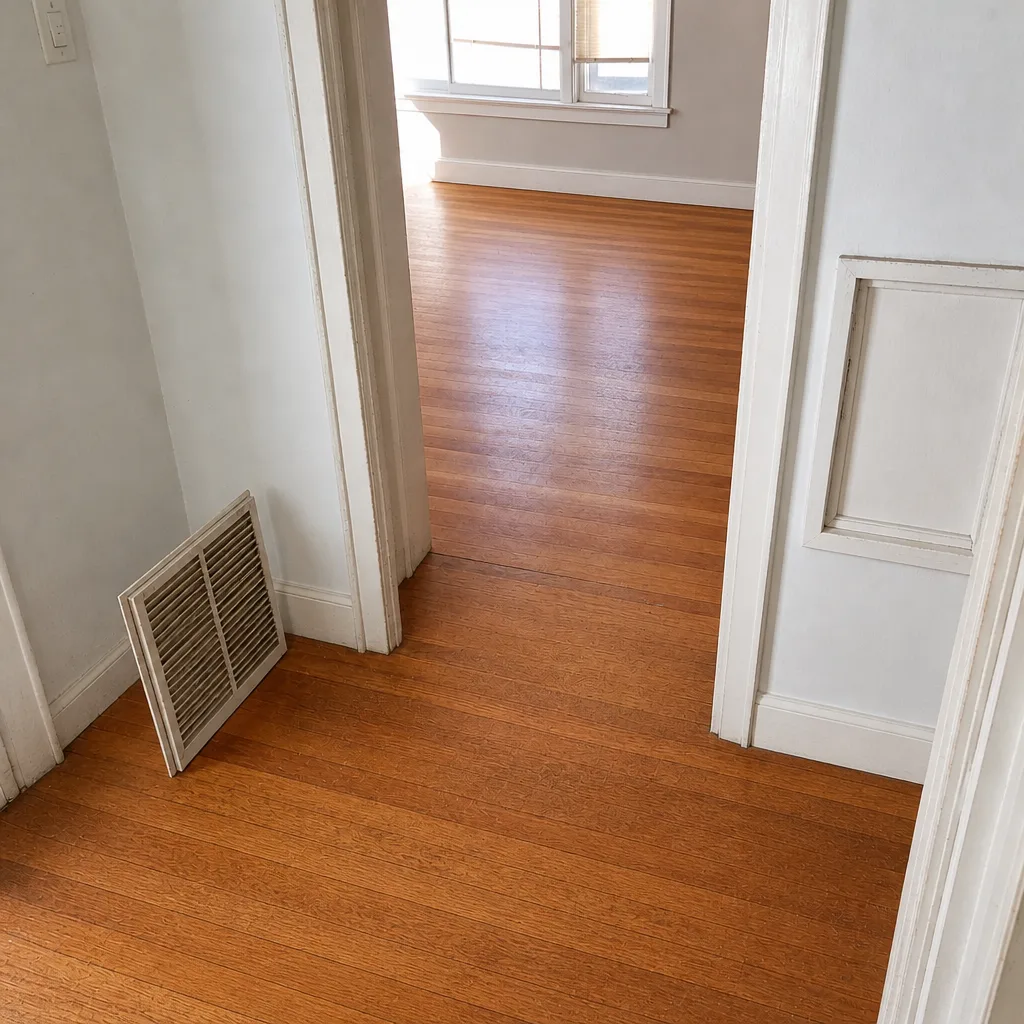 After
When to Call a Professional
Some situations call for a pro and some don’t. Here’s the line: if the problem involves the inside of the ductwork, equipment you don’t have, or the aftermath of a seismic or smoke event severe enough to stress the system, call a professional.
Specific scenarios that warrant a call:
- Smoke odor persists in the home more than a week after the air cleared.
- An earthquake strong enough to knock objects off shelves or crack drywall hit your area.
- Visible dust or ash appears on surfaces inside the home after a smoke event.
- You hear rattling, whistling, or popping from the air handler or ductwork.
- Your energy bill climbs unexpectedly, which often points to leaking duct joints.
- You smell musty or mildew odors when the system runs.
Air Duct Cleaning Silver Lake offers free estimates in Silver Lake. We don’t just clean: we seal, repair, and treat, so one visit covers cleaning, any needed repairs, and sanitizing. Our technicians have up to 11 years of experience diagnosing duct systems after exactly these kinds of events. Call (877) 492-0146 and we’ll get an assessment on the calendar.
Frequently Asked Questions
Because smoke particulates settle into duct surfaces and debris, and the system recirculates them every time it cycles. Open windows won’t clear it. A professional mechanical cleaning with containment equipment is what removes the source.
Run it on recirculate with the fan ON, not auto, and only if your filter is MERV-13 or better. If smoke is heavy and you haven’t upgraded your filter, shut the system off instead. Pulling heavy smoke through a low-grade filter just loads the system.
You probably don’t, from the register. Dislodged joints, shifted flex duct, and cracked seals are all behind walls, in the attic, or in the crawlspace. A professional inspection with a camera is the only reliable check.
MERV-13 is the practical sweet spot for most residential systems. It catches the majority of smoke particulates without restricting airflow the way higher-rated filters do. We install Honeywell and Aprilaire filtration products, and either brand will work well for this purpose.
If the system was running during the event, schedule cleaning within the first month. If it was off the whole time, wait a week and see whether odors or dust persist. If they do, book the cleaning. If not, a filter change may be all you need.
You can change your filter and turn your system off. You cannot mechanically clean a duct system with a shop vacuum, and you cannot inspect joints inside walls or in the attic without the right equipment. The consequences of missing a disconnected flex run after a quake are real.
The Bottom Line
Emergencies in Silver Lake come in two flavors: wildfire smoke and seismic events. Both stress your duct system in ways most homeowners never see. The response is the same in either case: plan before the event, check thoroughly after, and get professional eyes on the system when the signs point that way. Upgrade to MERV-13 now, know where your system’s off switch is, build an emergency file with photos and service history, and treat duct sealing as a hardening measure rather than an afterthought. The result isn’t just a cleaner system. It’s a system that handles the next event better than it handled the last one.
Ready to get your system prepared or assessed? Call (877) 492-0146 for a free estimate. We answer 24/7. Fast dispatch from 7am to 7pm, Sunday through Friday. And if you’ve been thinking about your dryer vent cleaning, we can address that in the same visit so every part of your system gets the same attention.
Written by the team at Air Duct Cleaning Silver Lake.