
Last updated November 22, 2026
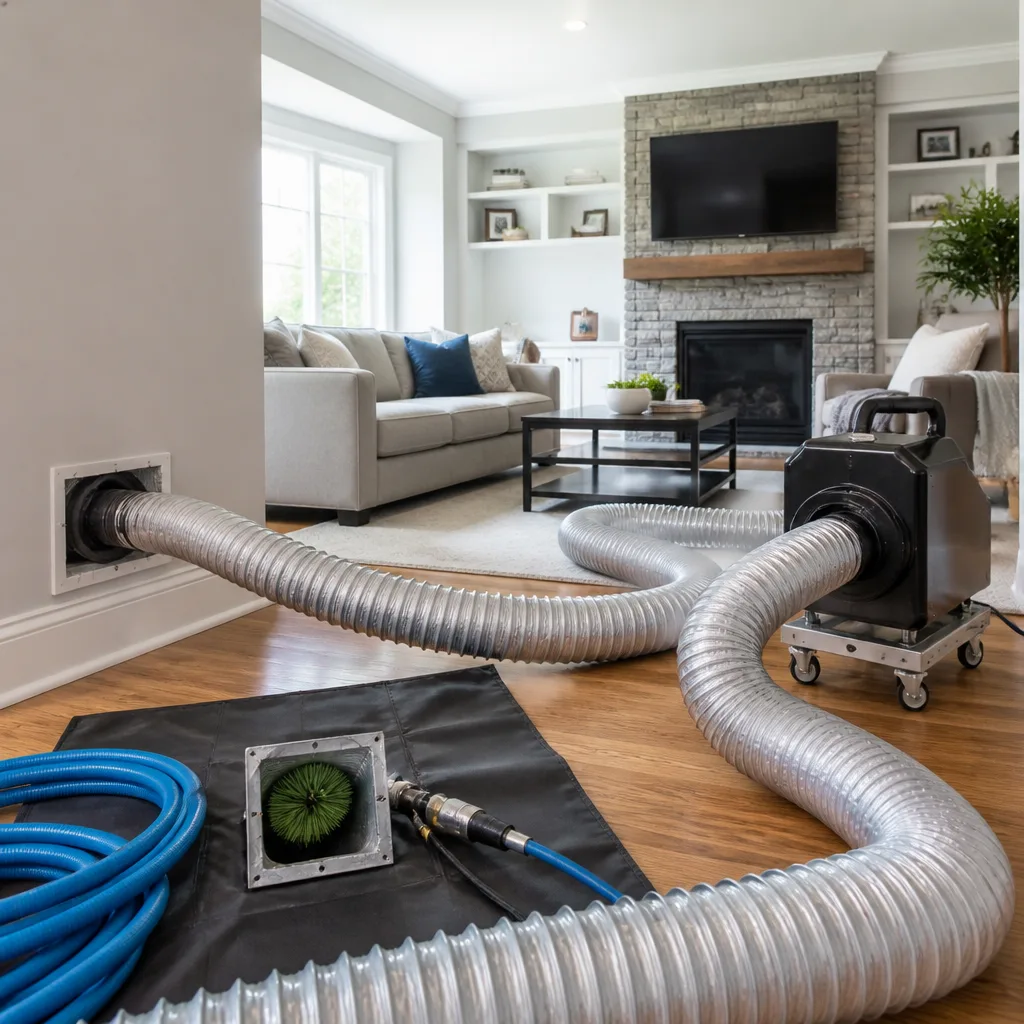 Whole-home duct cleaning
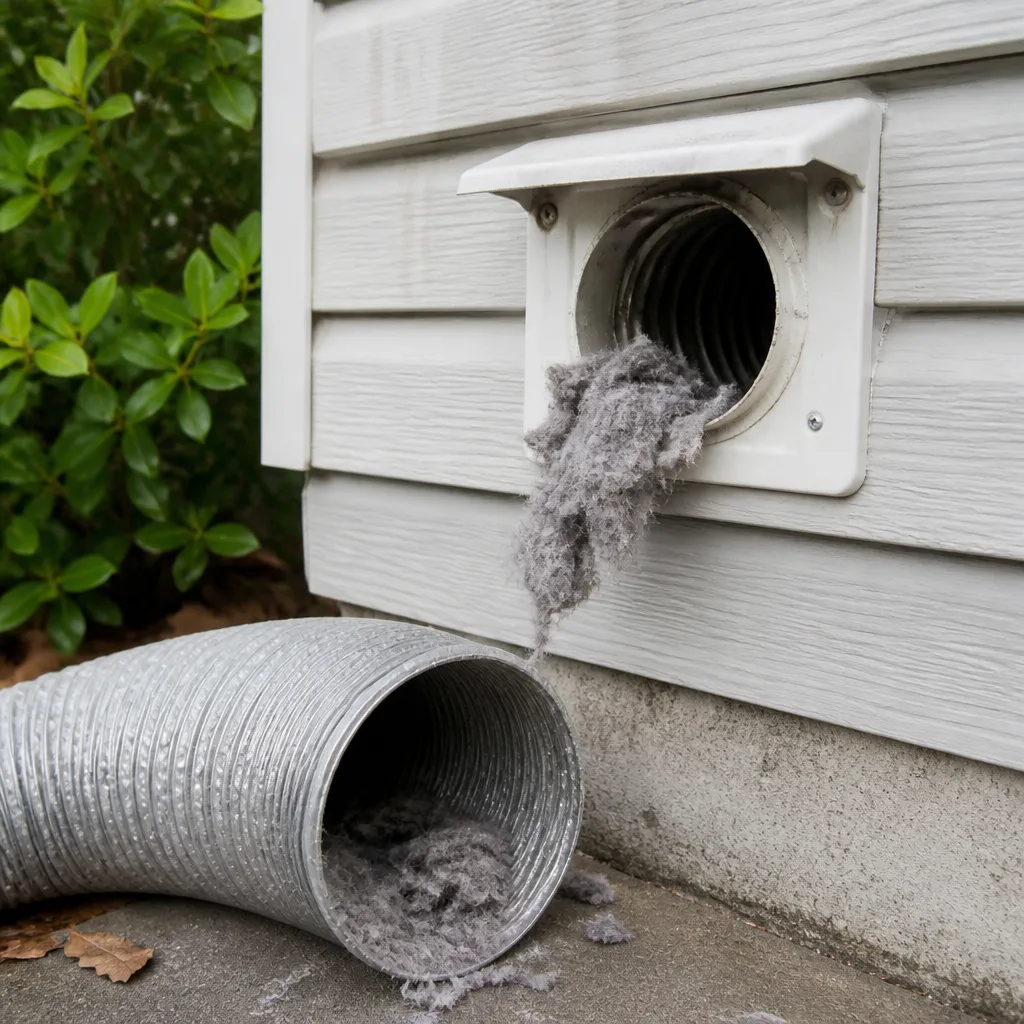 Dryer vent cleaning
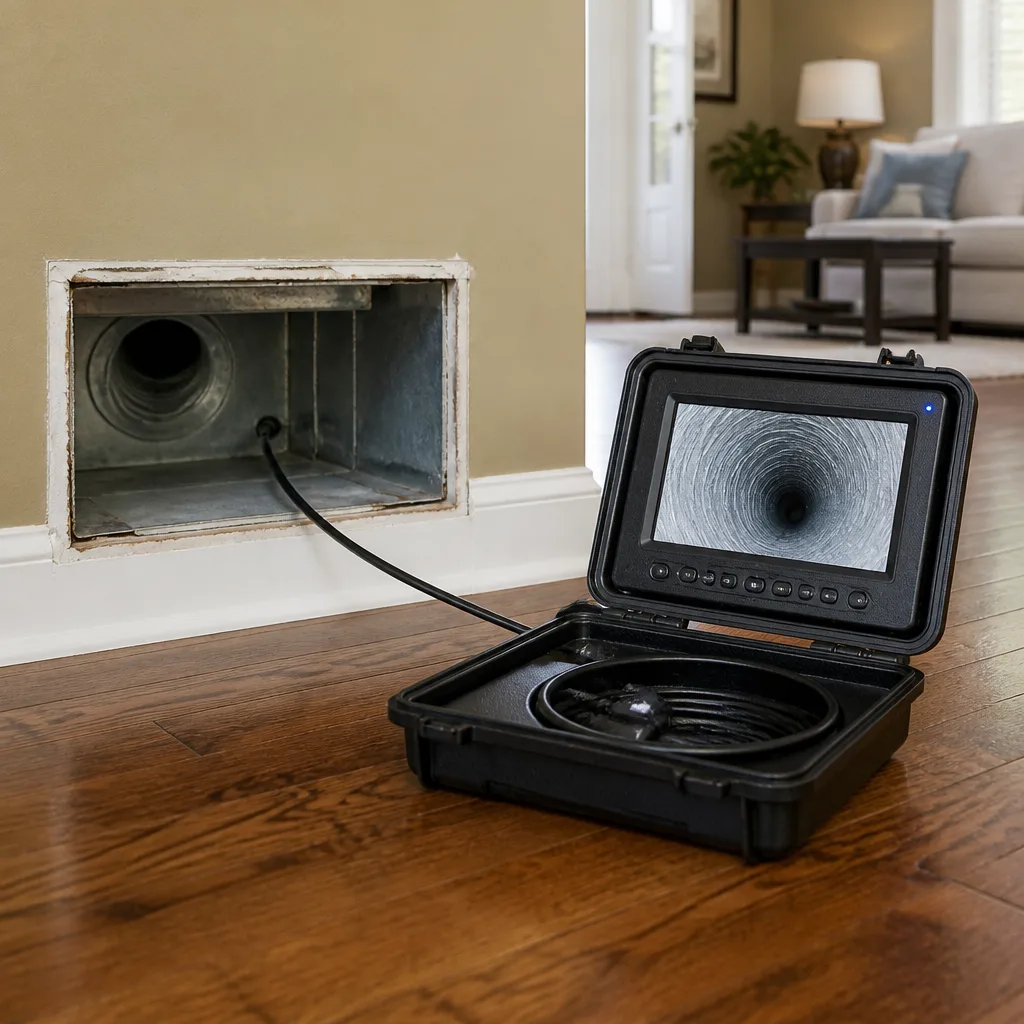 Camera inspection
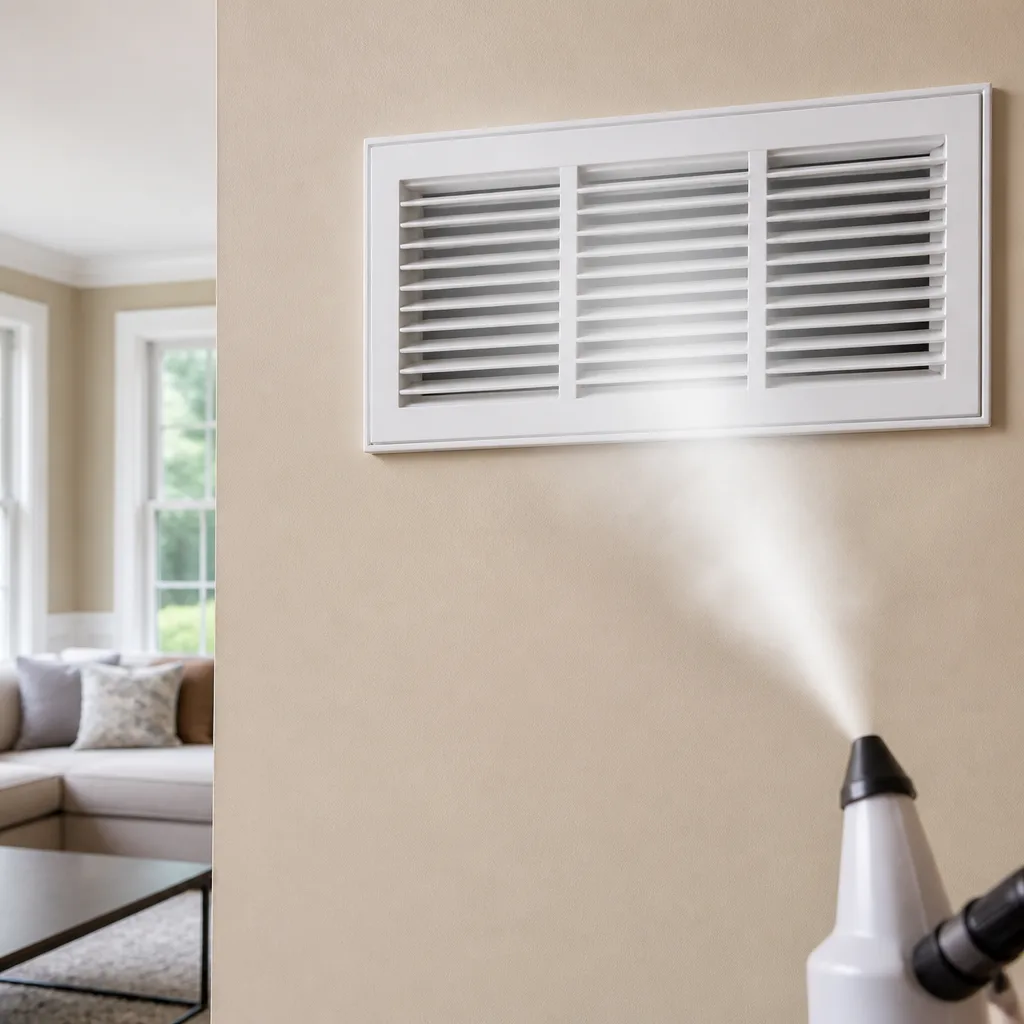 Sanitizing & deodorizing
Whole-system duct and dryer vent check with before-and-after photos - you see exactly what came out of your vents
That "$99 whole-house special" is a bait ad - the real number appears once they are in your hallway, or the "clean" is a shop-vac at the register. We photograph the inside of your ducts before and after instead.
Air Duct Cleaning Maintenance Checklist for Silver Lake Homeowners
The reminder on your phone to swap the filter does almost nothing if your duct lining is compromised, your return vents are undersized, or your dryer vent last got cleaned in 2019. Most homeowners treat duct care as a single task on a calendar, when it behaves more like a system that fails in layers. In Silver Lake, those layers get tested by wildfire smoke that rolls in on Santa Ana winds, marine-layer humidity that hangs in the basin for days, and the aging flex duct common to homes built and renovated across the hillsides. What follows is a checklist built around those real conditions, not national averages. You’ll learn what to inspect yourself, what to schedule by season, when a filter rating needs to change, and the specific triggers that mean you should stop reading checklists and call a professional.
Quick Answer
A workable air duct maintenance checklist for Silver Lake runs on three tracks at once: a filter track (check monthly, replace or upgrade before smoke season), a visual inspection track (grilles, return boxes, and exposed flex duct every six months), and a professional cleaning track (every two to four years for most homes, sooner if you’ve had smoke intrusion or visible dust at the registers). The dryer vent runs as a parallel track with its own cadence, because lint buildup doesn’t care how clean your supply ducts are. Everything else is detail layered on those three.
Styles & brands we work with
- Whole-home duct cleaning
- Dryer vent cleaning
- Camera inspection
- Sanitizing & deodorizing
Table of Contents
- Why Silver Lake Duct Maintenance Isn’t Generic Maintenance
- The Month-by-Month Checklist
- Visual Inspection Points You Can Do Yourself
- Filter and MERV Rating Guidance for Silver Lake’s Particle Load
- The Dryer Vent Track: A Separate Cadence
- Triggers That Move a Task From Scheduled to Urgent
- What a Professional Cleaning Visit Actually Involves
- Repair and Sealing: The Step Most Checklists Skip
Why Silver Lake Duct Maintenance Isn’t Generic Maintenance
Silver Lake sits in a bowl of conditions that most duct checklists weren’t written for. The neighborhood runs along hillsides and around the reservoir, which means homes here catch two very different air patterns: dry, particle-heavy Santa Ana wind events pushing inland, and cool marine-layer air that settles and lingers in the basin below the hills. Those two patterns stress a duct system in opposite ways. Smoke events load the system with fine particles. Humid marine air gives those particles somewhere to stick, especially on flex duct with any compromised lining.
The housing stock adds its own variable. A lot of Silver Lake homes have been added to, re-roofed, and re-routed over the decades, and some of the duct runs are the older flexible type that sags, kinks, and tears at the joints. When flex duct loses its seal, the system doesn’t just leak air – it pulls unconditioned air from crawl spaces and attics straight into the living space. That’s the mechanism behind the “my house is always dusty” complaint you hear around the neighborhood, and it’s why cleaning alone doesn’t solve it. If you want the foundational picture, our main page on Air Duct Cleaning Silver Lake covers how the full system is meant to work.
The practical takeaway: any checklist for Silver Lake has to account for seasonal smoke, persistent humidity, and duct material that may be older than the homeowner realizes. A one-size-fits-all “every 90 days” rule doesn’t capture any of that.
The Month-by-Month Checklist
This is the core of the guide. Each month carries a task calibrated to what Silver Lake’s air is actually doing that time of year. Print it, tape it inside a closet door, or keep it on your phone.
- January – Filter check and seal inspection. Winter in Silver Lake is mild, so the furnace runs gently. Use the downtime to check the filter and look at duct joints you can reach. Humidity from January rains makes any compromised flex duct more visible.
- February – Return box and grille cleaning. Wipe down return grilles and check for dust streaks that suggest a seal problem behind the grille.
- March – Pre-season duct inspection. Walk the accessible duct runs before the dry months set in. Note any soft spots, tears, or disconnected joints.
- April – Filter upgrade window. If you’re going to raise your MERV rating, do it before smoke season. A higher-efficiency filter catches more fine particles but restricts airflow, so it needs a system that’s clean going in.
- May – Dryer vent inspection. Check the outside vent flap opens freely and there’s no visible lint around the termination point.
- June – Fire season prep. Confirm filters are fresh, windows and doors seal well, and duct returns aren’t pulling from a garage or attic.
- July through October – Smoke season and Santa Ana wind events. Check filters every 4-6 weeks during active fire events. Run the system on recirculation, not fresh-air intake. Watch for smoke smell inside that doesn’t clear.
- November – Marine layer moisture check. Look for condensation, musty smell, or visible dampness on exposed duct runs. This is when Silver Lake humidity does the most quiet damage.
- December – Year-end assessment. Decide whether this is the year for a professional cleaning, based on the triggers below.
The cadence is a starting point, not gospel. Wildfire years compress the July-to-October window into something much longer, and a leaky system needs attention whenever you notice it, not when the calendar says so.
Visual Inspection Points You Can Do Yourself
You don’t need tools for most of this. Fifteen minutes with a flashlight and a phone camera covers the highest-value checkpoints. What you’re looking for is evidence of three things: dust intrusion, moisture, and physical damage to the duct material itself.
- Supply grilles. Look for dust streaks radiating from the edges of the grille. Streaks mean air is escaping around the grille rather than through it, which usually points to a seal problem at the boot or a gap between the grille and the drywall.
- Return grilles. Remove the grille and photograph what’s behind it. A clean return box shows dust evenly distributed. A return box with a heavy dust streak in one corner often means the return is pulling from an unsealed cavity.
- Exposed flex duct in the attic or crawl space. Look for sagging runs, kinks, tears in the outer jacket, and disconnected joints. Older flex duct covered with a silver jacket that’s torn or separating is your first sign the system is pulling attic air.
- Duct tape joints. Ordinary cloth duct tape dries out and fails. If joints are sealed with cloth tape that’s curling, it’s time for a proper mastic or foil-tape seal, which is part of air duct cleaning done properly.
- Register airflow. Hold a tissue to each supply register. Weak flow at one register while others blow strong often means a disconnected or crushed run.
- Smell test after running the system. A musty smell right after startup suggests moisture in the ducts. A smoke smell that persists indoors during a fire event suggests a return pulling from outside the conditioned space.
Photograph everything you find. When you do call for a professional inspection, those photos will save time and prevent a generic vacuum-and-go visit from missing the real problem.
Filter and MERV Rating Guidance for Silver Lake’s Particle Load
The national advice on filters is “change every 90 days.” In Silver Lake that number changes with the season. During active fire events, filters load up far faster than during a calm spring. Here’s how we think about filter ratings and replacement timing for this neighborhood specifically.
- MERV 8 – Baseline. Good for homes with no pets, no allergies, and no compromised duct. Adequate in calm months, insufficient during smoke events.
- MERV 11 – The practical sweet spot for Silver Lake. Catches finer particles from smoke and roadway dust without choking airflow in a typical residential system. This is where most homes should sit through fire season.
- MERV 13 – Recommended only for homes with a system verified to handle the pressure drop. Great particle capture, but a leaky or undersized duct system can’t move enough air through it. Verify first.
- MERV 16 – Not for typical residential systems. High-capture but restrictive. Leave it to commercial setups or homes with a bypass-style filter cabinet.
Replacement timing, calibrated to the particle load:
- Check the filter monthly from June through November.
- Inspect it every two weeks during any active wildfire event that’s pushing smoke into the basin.
- Change it when the filter media is visibly darkened across more than half its surface, regardless of how long it’s been in.
- Write the install date on the filter frame with a marker so you always know how long it’s been running.
- If you’re considering a whole-home air-quality upgrade, Honeywell filter cabinets and Aprilaire media filters hold higher-MERV media longer than a 1-inch slot can, which is worth discussing during any cleaning visit.
Filter choice is only half the equation. A restrictive filter on a duct system with leaks makes the leaks worse by increasing the pressure differential. That’s why the filter conversation belongs with the duct condition conversation, not separate from it.
The Dryer Vent Track: A Separate Cadence
Dryer vents are the most overlooked system in most Silver Lake homes. They have nothing to do with your supply air, but they fail in the same fundamental way – lint builds up, airflow drops, and the system has to work harder to do the same job. A dryer vent that isn’t moving air well is also a fire risk in a way that duct dust is not.
Your dryer vent has its own inspection cadence, and it should run alongside – not inside – the main duct checklist:
- Monthly: Clean the lint trap after every load. Empty the outside flap of any lint buildup. Check that the flap opens freely when the dryer runs.
- Every six months: Pull the dryer out from the wall if it’s safely reachable and check the short flexible connector behind it. This section is where most lint clogs start.
- Every 12-18 months: Have the full vent line cleaned from the dryer to the outside termination. Lint accumulates along the whole run, not just at the ends.
- After any long drying cycle: If a load that used to finish in 45 minutes now takes 90, that’s a signal the vent needs attention now.
The 12-18 month window is a general guide. Homes with long vent runs, multiple elbows, or a run that terminates on the roof should be cleaned closer to the 12-month end. In Silver Lake, the marine-layer humidity doesn’t cause dryer vent problems directly, but it does make lint clumpier, which accelerates buildup slightly. If you’re overdue, our dryer vent cleaning page covers the full process.
Triggers That Move a Task From Scheduled to Urgent
The hardest part of any checklist is knowing when to override it. These are the specific conditions that should move a task from “next scheduled visit” to “call now.” We’ve seen each of these in Silver Lake homes, and each one signals a problem that gets more expensive the longer it sits.
- Smoke smell indoors that doesn’t clear after a fire event. If the smell lingers for days after the outdoor air is clear, your system is holding contaminated air somewhere. That’s a cleaning job, not a filter change.
- Visible dust plumes at a register on startup. Dust blowing out of a vent when the system kicks on means the duct interior is loaded. A filter change won’t fix it.
- Persistent musty smell that appears only when the HVAC runs. Moisture in the ducts or a mold issue in the lining. Needs professional assessment, especially given Silver Lake’s humidity pattern.
- Airflow that’s noticeably weaker than it was last season. Could be a crushed flex run, a major leak, or a failing blower. Worth a HVAC cleaning and inspection visit.
- Dryer taking significantly longer than it used to. If drying time has stretched noticeably, the vent needs cleaning now, not at the next scheduled interval.
- New construction, renovation, or a recent move-in. Construction dust is the single most common reason a duct system needs cleaning ahead of schedule. If your house was recently remodeled in Silver Lake, treat the ducts as suspect until inspected.
- Visible mold or water staining on any duct surface. This is the clearest “call now” trigger. Sanitizing and, in some cases, duct replacement follows.
What a Professional Cleaning Visit Actually Involves
If your checklist points to a professional cleaning, it helps to know what “done properly” looks like. In our experience, the difference between a good cleaning and a superficial one comes down to three things: mechanical agitation, negative-pressure containment, and verification.
- System inspection first. Before any cleaning, the technician maps the system, identifies the return and supply runs, and notes any obvious damage. Anything that needs repair gets flagged before cleaning starts.
- Containment setup. A vacuum with a HEPA-grade filter is connected and the work area is contained so dislodged particles don’t recirculate into living space. For a Silver Lake home with any family members sensitive to dust, this step matters more than the cleaning itself.
- Mechanical agitation. A rotating brush system is run through the ductwork to loosen the dust that stuck to the lining. Vacuuming alone doesn’t dislodge what’s actually adhered to the walls.
- Extraction. The loosened material is pulled into the collection system under negative pressure.
- Verification. Before-and-after photos of the duct interior, so you can see what was actually removed.
- Sanitizing and finishing. A sanitizing treatment is applied where appropriate, particularly after any moisture issue or smoke event. This is the step most generic cleaners skip.
For the full breakdown of equipment and method, see the air duct cleaning service page. The point here is that “professional cleaning” should mean all six steps, not just step four.
Repair and Sealing: The Step Most Checklists Skip
Cleaning a leaky duct system is like mopping a floor with the window open. The dust comes back because the system is still pulling from the attic or crawl space. That’s why Silver Lake’s older housing stock – especially the hillside properties where duct runs travel through unconditioned space – needs duct repair and sealing to be part of the maintenance cycle, not an afterthought.
Sealing involves a few mechanical fixes:
- Joint sealing at every connection point, using foil tape and mastic that hold up to temperature swings. Cloth duct tape is not a seal and should be replaced when found.
- Boot sealing where the duct meets the grille, since this is a common failure point and the source of most of the dust streaks you’ll find during inspection.
- Flex duct replacement when the lining is torn or the run is crushed. Flex duct that’s lost its shape restricts airflow and can’t be reliably sealed.
- Return path correction when a return is undersized or pulling from the wrong place. This is the fix behind the “my house is always dusty” complaint.
When sealing and cleaning happen on the same visit, you get a conditioned system that actually holds. That’s the difference between a maintenance cycle that works and one that repeats itself every couple of years.
Common Mistakes to Avoid
- Filter-first thinking. Swapping filters religiously while leaving a torn duct jacket unrepaired. The filter can’t catch what’s coming in through a leak downstream of it.
- Treating dryer vent as a one-time task. Dryer vents need a 12-18 month cadence, not a “we’ll get to it.” If you clean it once and forget, lint starts loading up again the same week.
- Choosing a filter by MERV number alone. A MERV 13 in a system that can’t handle the pressure drop makes airflow worse and stresses the blower. Match the filter to the system.
- Assuming a routine cleaning visit fixes a leak. Cleaning and sealing are separate services and should be scheduled together when a leak is found.
- Ignoring smoke residue after a fire event. Smoke smell that lingers indoors after the outside air clears means the ducts are holding it. A filter change won’t clear that.
- Trusting a duct cleaning quote that doesn’t specify containment. If the visit doesn’t mention negative-pressure equipment, dislodged material ends up in your living space, not the vacuum.
- Chasing the lowest quote. A very low cleaning price usually means a vacuum pass with no agitation, no containment, and no repair. Cleaning without agitation doesn’t dislodge what’s stuck to the lining.
See the difference
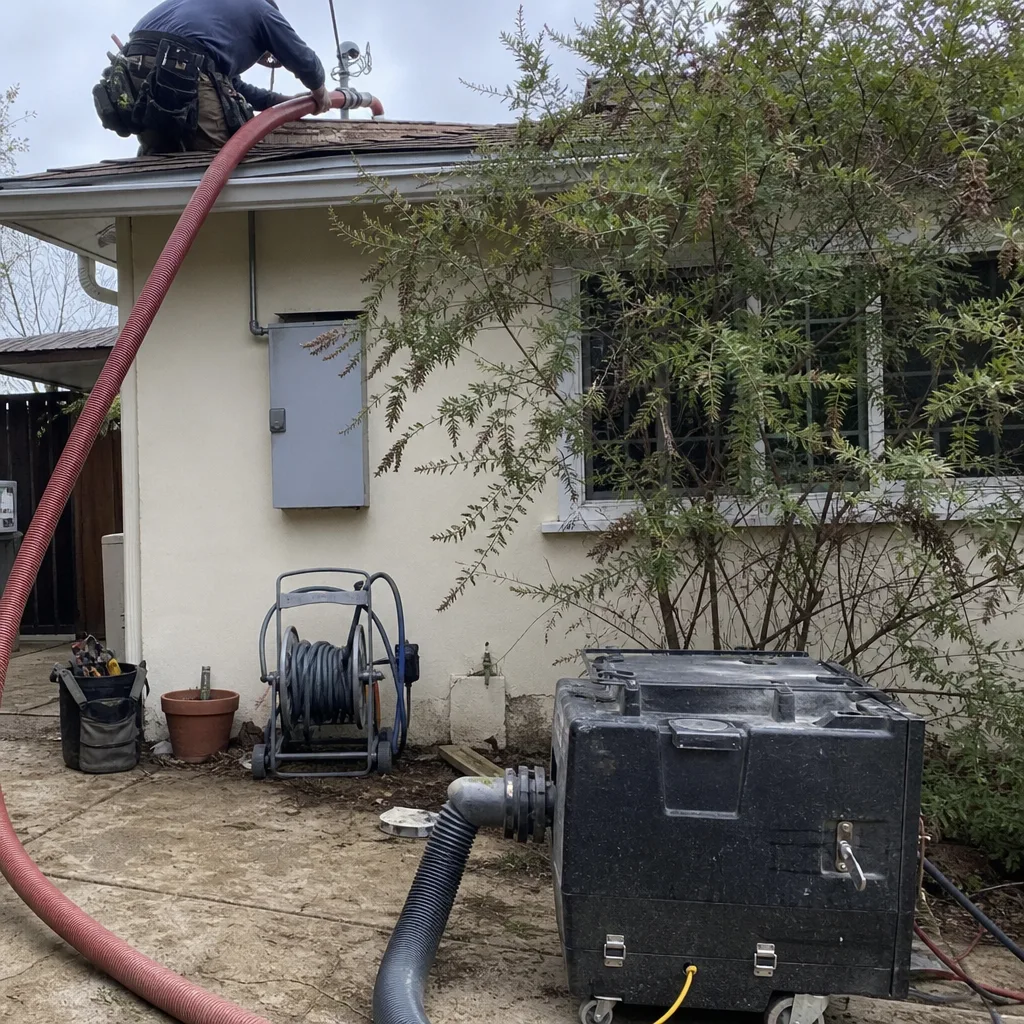 Before
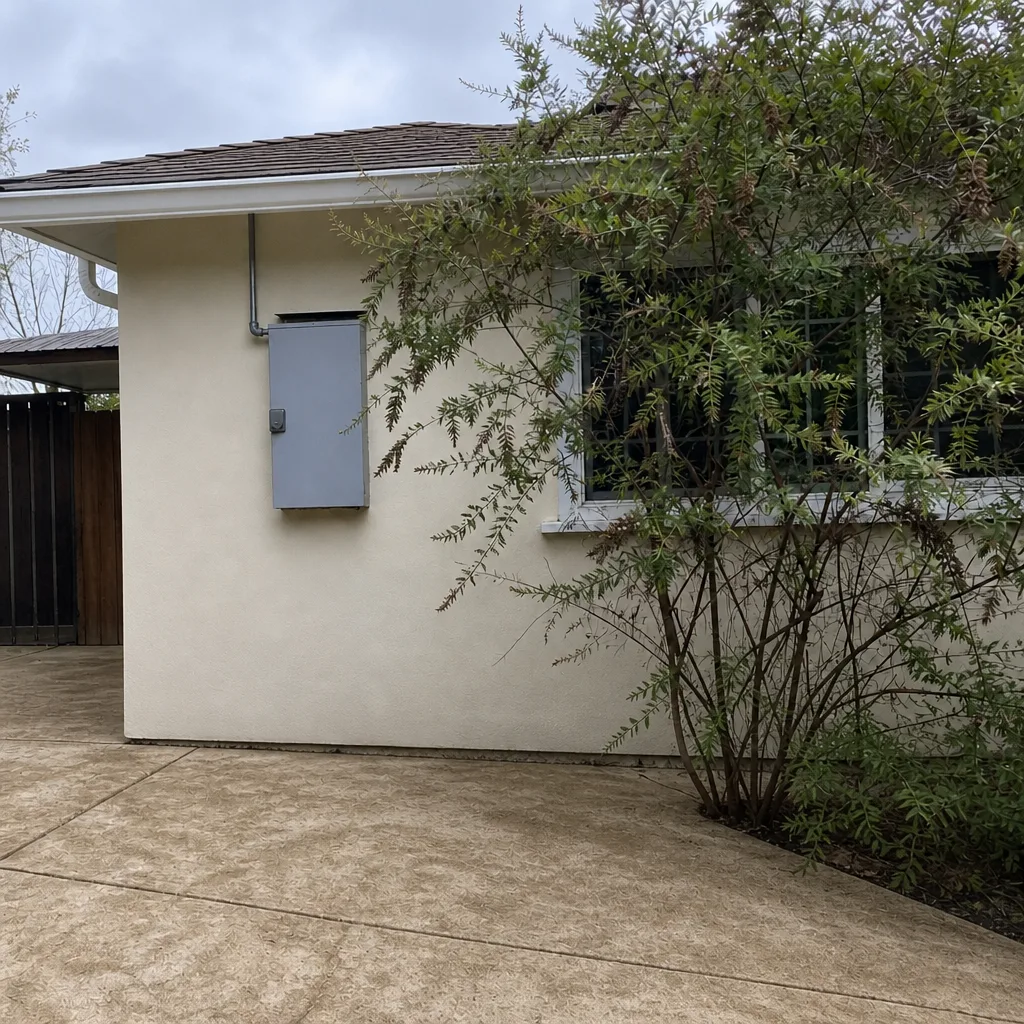 After
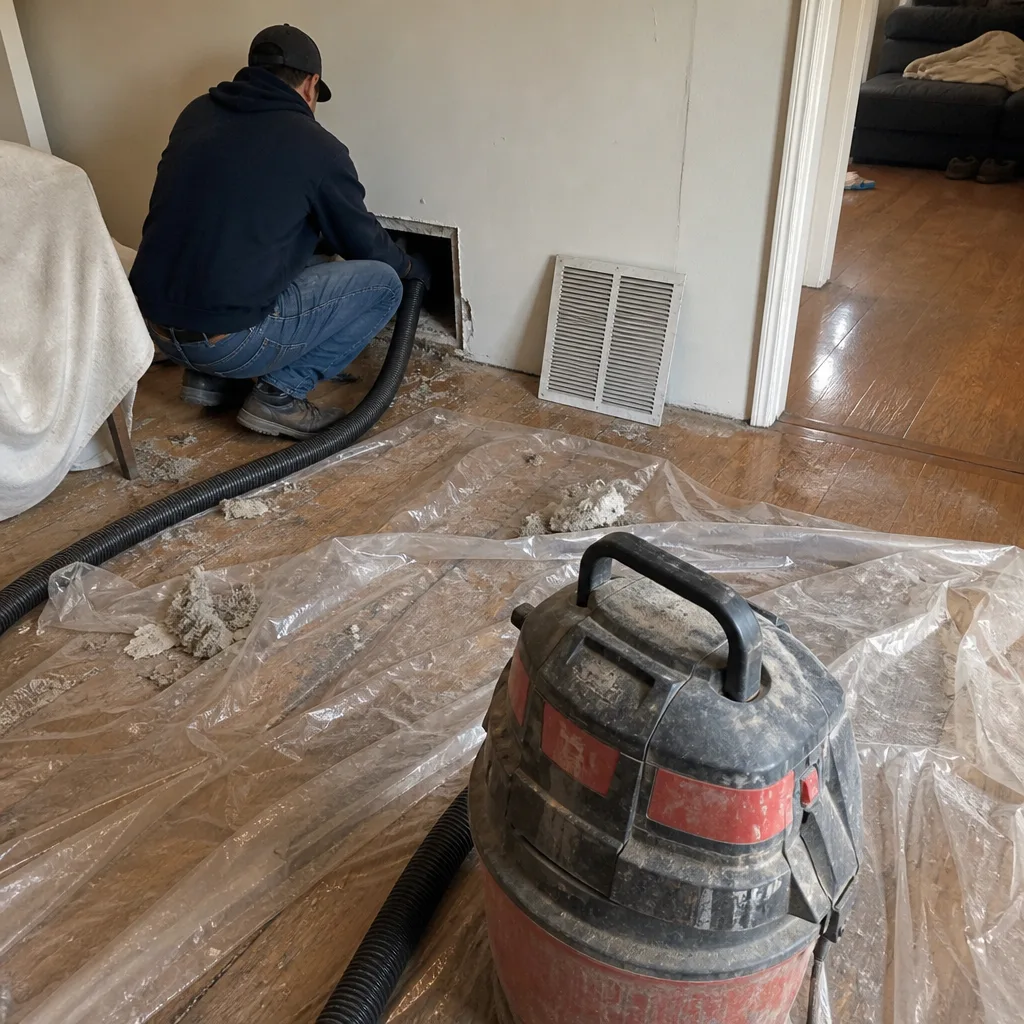 Before
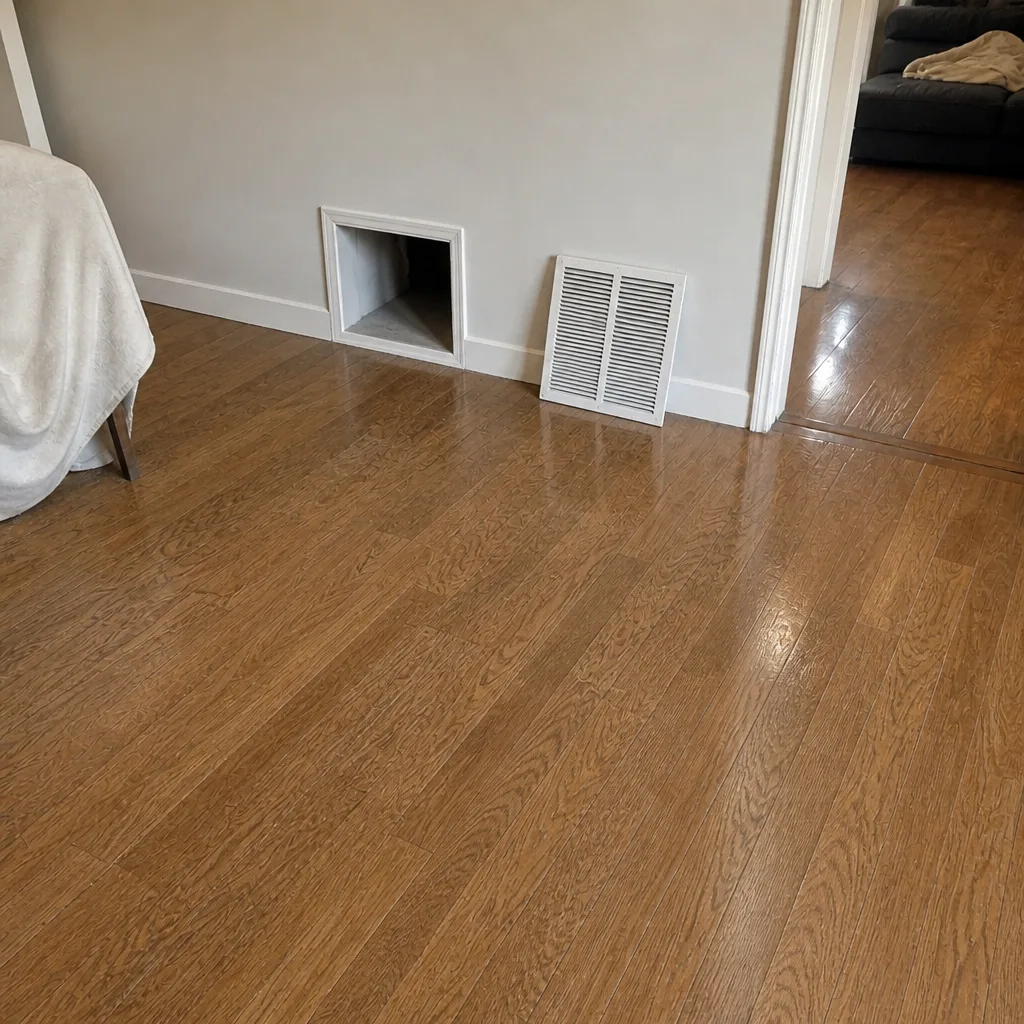 After
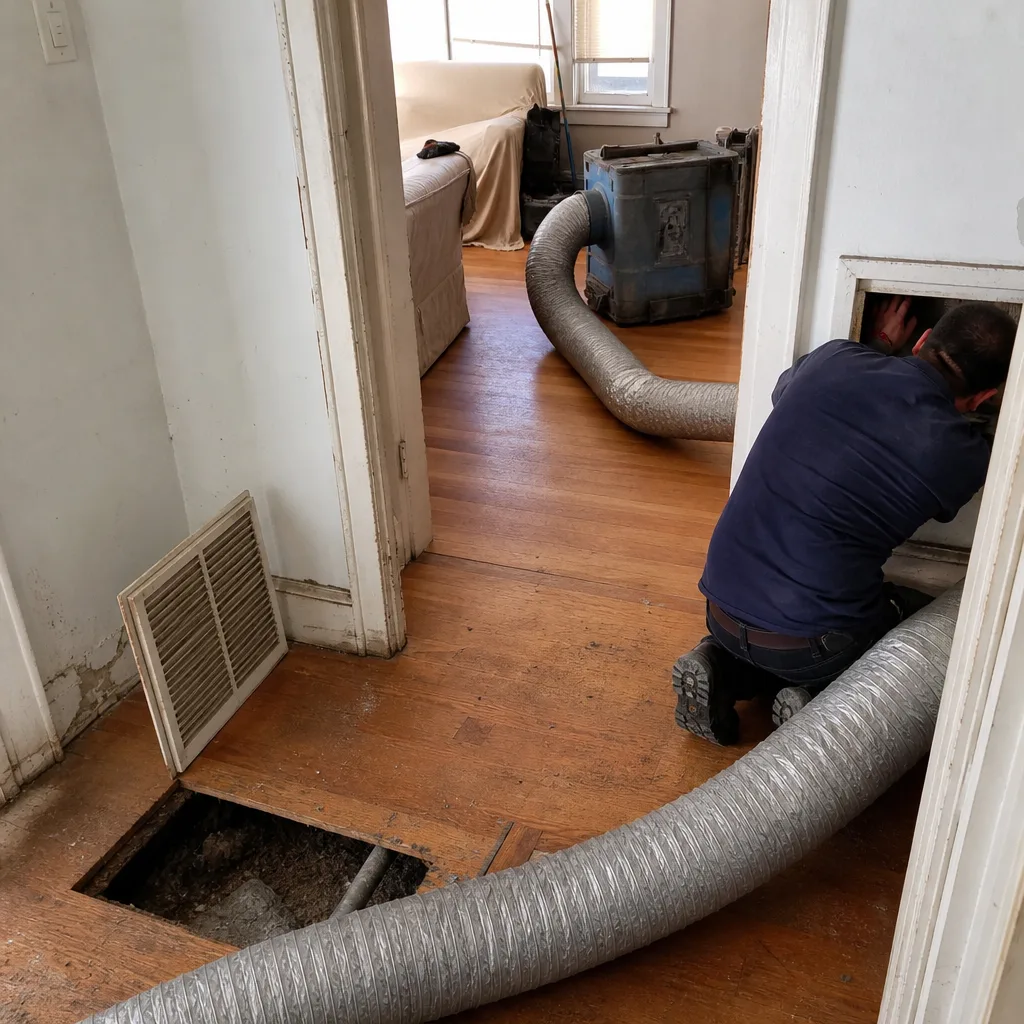 Before
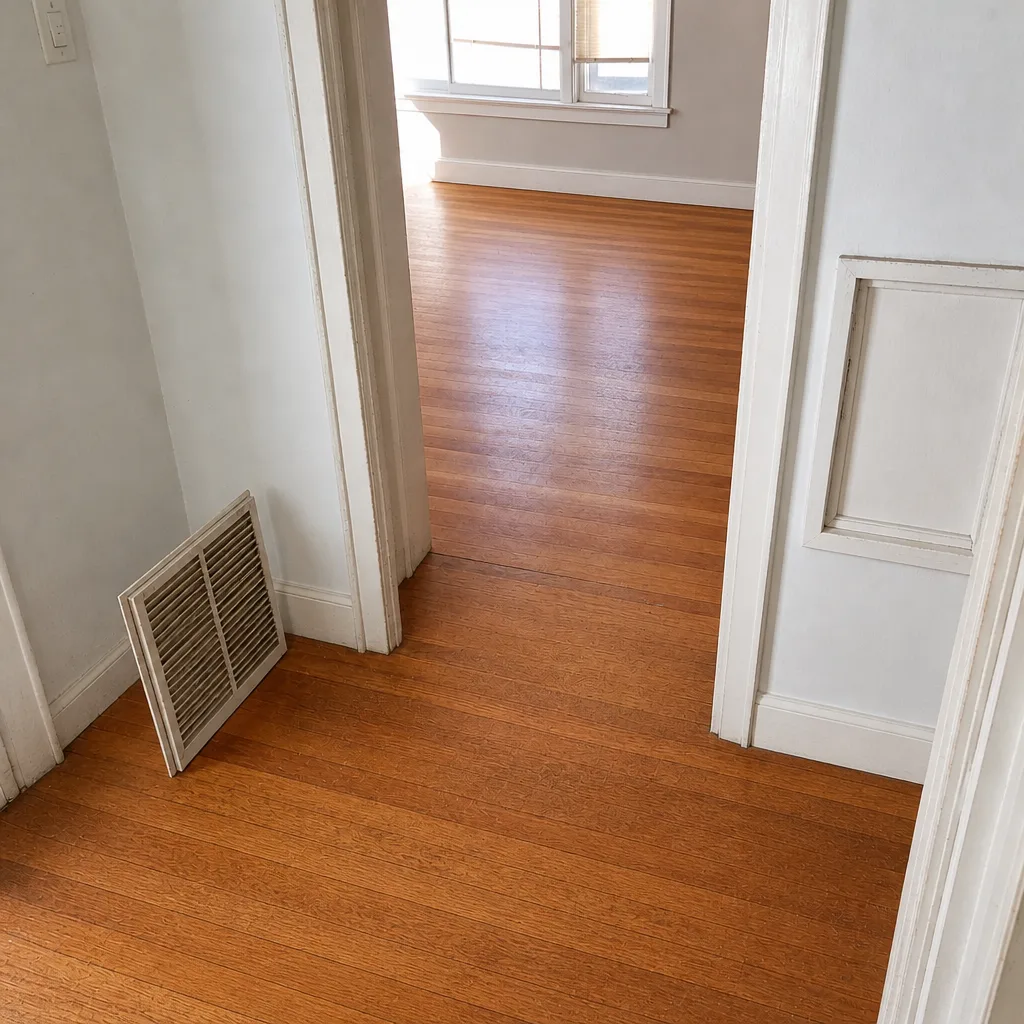 After
When to Call a Professional
If your self-inspection turns up visible dust plumes, a torn flex duct jacket, musty smell on startup, or a dryer that takes far longer than it used to, those are the conditions that move from checklist to call. The same goes for any home that’s had recent renovation work, a persistent smoke smell, or visible moisture on a duct surface. The four triggers – physical damage, airflow loss, smell, and moisture – cover most cases. Air Duct Cleaning Silver Lake offers free estimates in Silver Lake, and we’d rather inspect once and tell you the ducts are fine than have you cleaning them on a schedule the system doesn’t need. Call (877) 492-0146. We answer 24/7. Fast dispatch from 7am to 7pm, Sunday through Friday. Our technicians have up to 11 years of experience, and they’ll tell you what they found either way.
Frequently Asked Questions
Every two to four years is the general recommendation for most Silver Lake homes, shorter if you’ve been through a heavy fire season, had recent renovation work, or noticed one of the triggers in this guide. Homes with pets, smokers, or allergy-sensitive occupants should stay on the shorter end of that range. If you’re unsure, a free estimate will tell you what your specific system actually needs.
MERV 11 is the practical sweet spot for most homes here, especially during fire season, because it catches more fine smoke particles without choking airflow. MERV 13 works in homes with duct systems verified to handle the pressure drop. Going above MERV 13 is rarely useful in a typical residential system and can do more harm than good. Call (877) 492-0146 if you want a recommendation based on your specific system.
Yes, in cases where the system is holding smoke residue, moisture, or construction dust that isn’t visible on your furniture. Dust on your coffee table is only the visible fraction. Smoke smell that lingers indoors after an event clears outside, or a musty smell on startup, are both signals that the system itself is holding something the filter can’t reach. Call (877) 492-0146 for an honest assessment – estimates are free.
Every 12 to 18 months for the full vent line, regardless of how clean your supply ducts are. They’re separate systems with separate failure modes. If your dryer takes noticeably longer than it used to, that window shrinks to now. Call (877) 492-0146 if you’re overdue.
Yes – the visual checkpoints in this guide are all do-it-yourself friendly. Grille streaks, photographing the return box, checking flex duct for tears, and the tissue test at each register require no tools. What you can’t do yourself is clean without agitating the lining or verify the interior of the duct run, which is what a professional visit is for. Call (877) 492-0146 if your inspection turns up anything concerning.
Low quotes usually skip containment, skip mechanical agitation, and skip any repair work – they’re a vacuum pass, not a cleaning. Rotobrush and Nikro equipment, Abatement Technologies containment, and proper before-and-after verification all cost more on the front end because they actually remove what’s stuck to the duct walls. Call (877) 492-0146 for a quote based on the real work.
The Bottom Line
Duct maintenance in Silver Lake runs on three tracks, not one. Filters need to be checked monthly during smoke season and rated for the particle load, not the calendar. Self-inspection of grilles, return boxes, and flex duct should happen every six months. Professional cleaning belongs on a two-to-four year cycle unless a trigger moves it sooner. The dryer vent runs on its own 12-18 month cadence. And repair and sealing is part of the cycle, not a separate project, because a cleaned system that’s still leaking re-contaminates itself. Save the checklist, use the triggers, and skip the “every 90 days” advice that ignores what Silver Lake’s air actually does.
Written by the team at Air Duct Cleaning Silver Lake.