
Last updated November 22, 2026
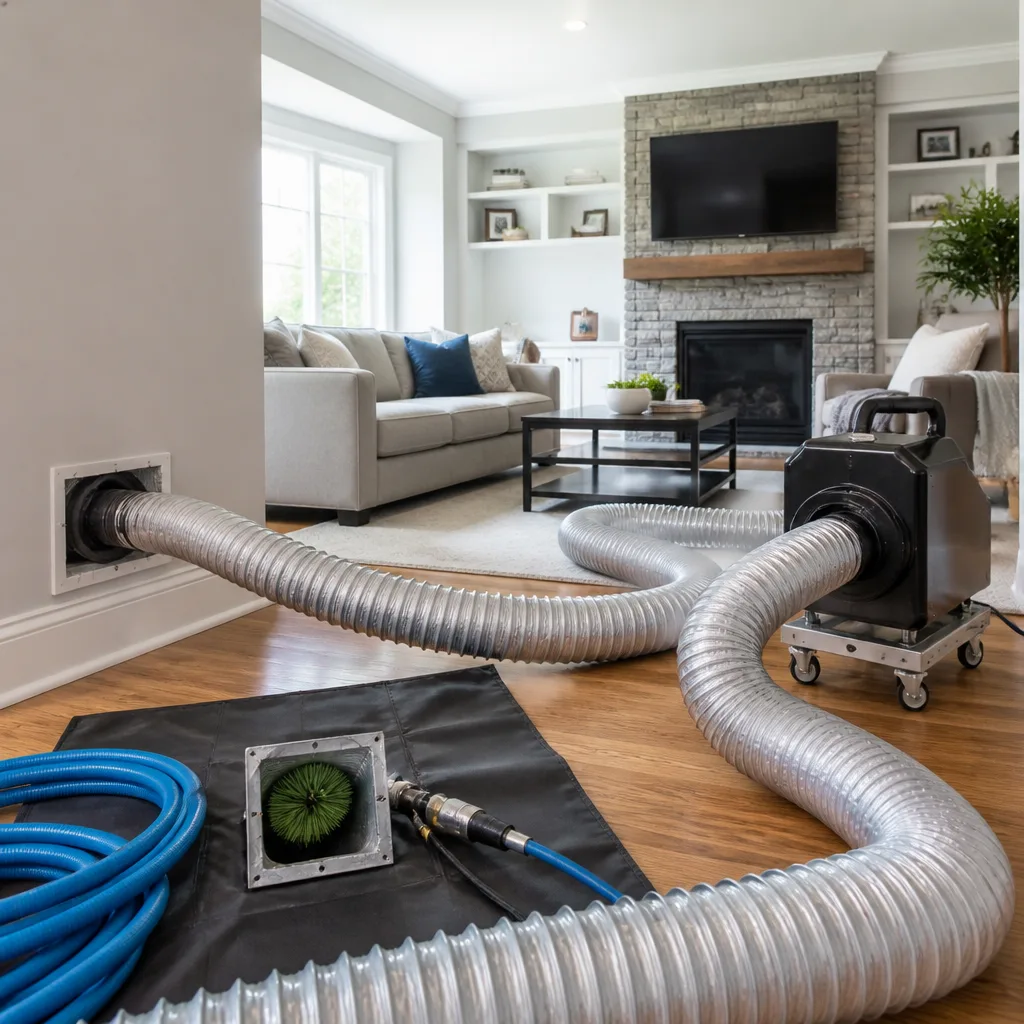 Whole-home duct cleaning
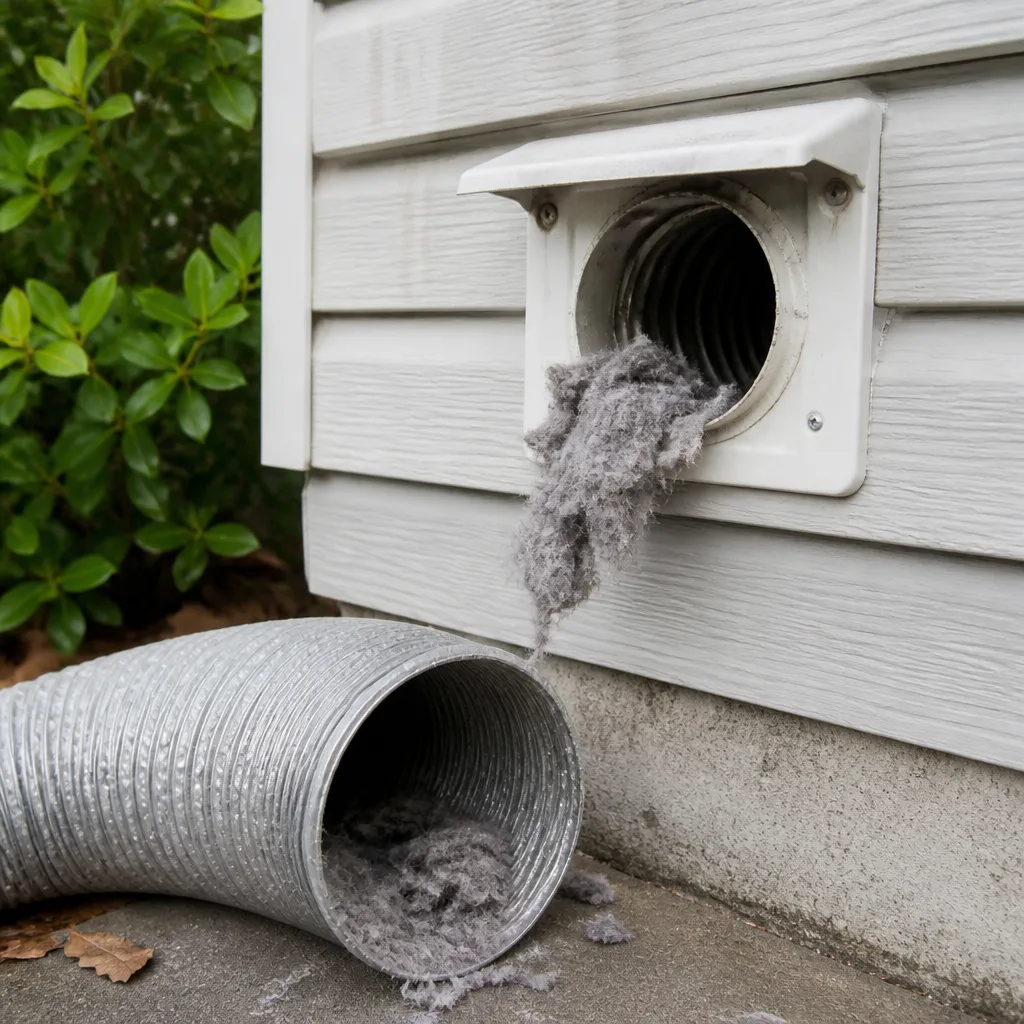 Dryer vent cleaning
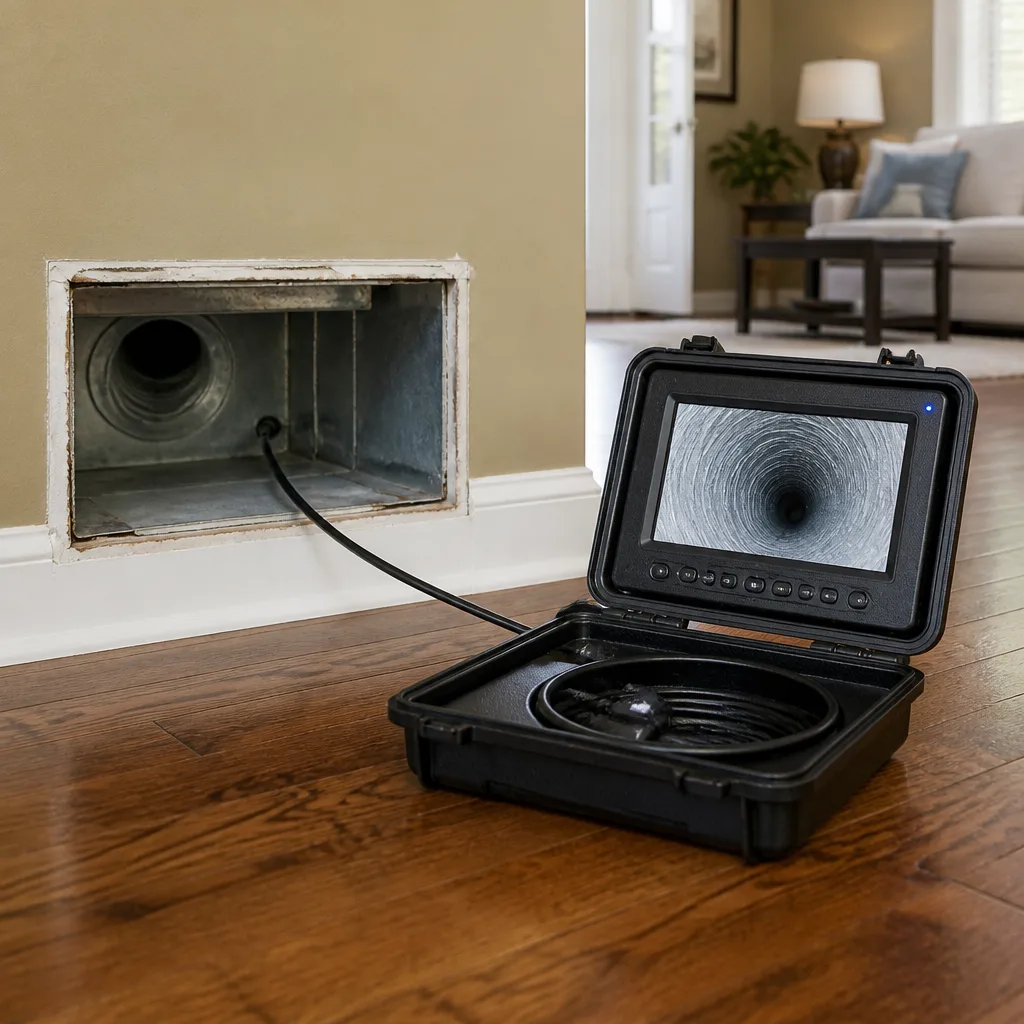 Camera inspection
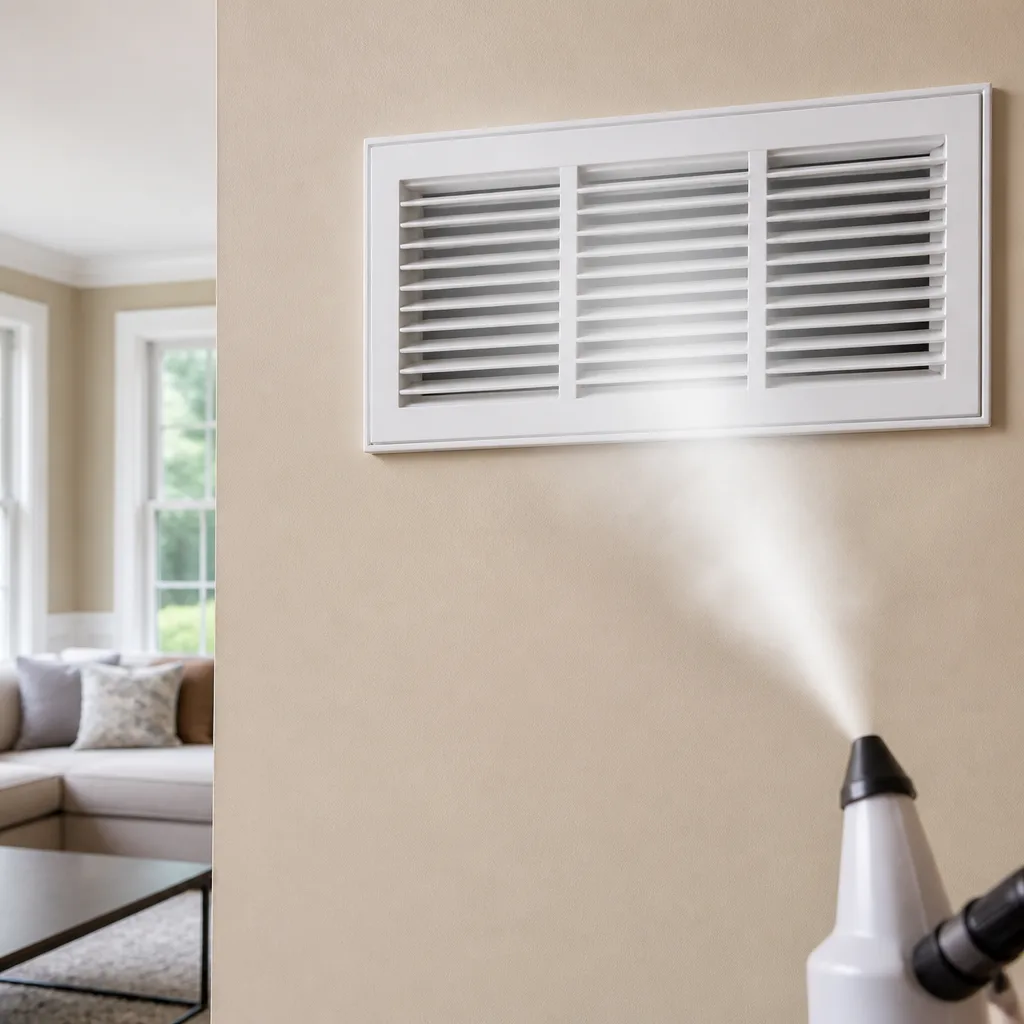 Sanitizing & deodorizing
Whole-system duct and dryer vent check with before-and-after photos - you see exactly what came out of your vents
That "$99 whole-house special" is a bait ad - the real number appears once they are in your hallway, or the "clean" is a shop-vac at the register. We photograph the inside of your ducts before and after instead.
Air Duct Cleaning Permits, Codes & Inspections in Silver Lake, CA: What You Need to Know
Here’s the part most people get wrong: cleaning the inside of your ducts is routine maintenance, and no permit is involved. Cutting into the system is different. The moment a technician removes a section of duct, replaces flex run, opens the plenum box, or seals a penetration through a wall, floor or ceiling assembly, the job can cross from maintenance into alteration, and in Los Angeles that shift pulls in a permit, an inspection, and a paper trail you’ll be asked about later. The line between the two is fuzzier than it looks, and it matters most in Silver Lake, where hillside and historic designations layer extra review on top of standard city rules. This guide draws that line clearly: what’s regulated, what isn’t, and what to ask before anyone touches your system.
Quick Answer
In Silver Lake, routine air duct cleaning does not require a permit, but duct repair, modification, or replacement generally does under the California Mechanical Code and City of Los Angeles rules. Any work that changes the system’s layout, size, or connections is an alteration, needs a permit and inspection, and should be performed by a licensed HVAC contractor. Unpermitted duct modifications often surface during a home sale or insurance claim, and resolving them later costs more than doing it right the first time.
Styles & brands we work with
- Whole-home duct cleaning
- Dryer vent cleaning
- Camera inspection
- Sanitizing & deodorizing
Table of Contents
- Maintenance vs. Alteration: Where California Draws the Line
- What the California Mechanical Code Actually Requires
- How Silver Lake’s Historic and Hillside Overlays Add Inspection Layers
- Mold, Asbestos-Adjacent Materials, and Separate Regulatory Tracks
- Duct Cleaning Scope vs. Licensed HVAC Contractor Scope
- Resale Disclosure: What Happens When Escrow Finds Unpermitted Work
- What a Duct-Related Inspection Actually Looks Like
- Questions to Ask Before You Hire Anyone
Maintenance vs. Alteration: Where California Draws the Line
The distinction that matters most isn’t the size of the job. It’s whether the system’s physical configuration changes. Cleaning the interior of existing ductwork is maintenance: the ducts stay where they are, the same connections remain, nothing new is added or removed. Alteration is anything that changes the system’s design: new duct runs, relocated registers, resized trunks, replacement of damaged sections, or penetration of a building assembly to route a duct somewhere it didn’t go before.
In practice, this means:
- Cleaning, sanitizing, and vacuuming existing ducts: maintenance. No permit.
- Sealing gaps and joints with mastic or approved tape: typically maintenance when done in place, but ask, because sealing that changes airflow balance can be reviewed as an alteration.
- Replacing a section of damaged flex duct: alteration in most cases, and permit territory under the California Mechanical Code.
- Cutting a new opening in a wall, floor, or ceiling to reroute a duct: alteration plus a structural review in some cases.
- Opening the plenum box to clean or modify it: depends on what’s done inside. Cleaning is maintenance; resizing or reconnecting the plenum is not.
- Adding a return duct, moving a supply register, or upsizing a trunk line: alteration, permit required.
We’ve seen the confusion cut both ways. Homeowners sometimes expect a permit for a straightforward cleaning, and sometimes accept a duct replacement with no paperwork at all. Neither matches the code. If a company tells you permits are never needed for any duct work, that’s the first sign to ask harder questions. For a look at what our own cleaning scope covers, see our air duct cleaning service.
What the California Mechanical Code Actually Requires
The California Mechanical Code governs how HVAC systems are installed, altered, and maintained in the state. It works alongside the Los Angeles Municipal Code, which sets the local permit and inspection process. The threshold that catches people is this: alterations to a mechanical system require a permit, and maintenance does not. That single sentence is the spine of everything else in this guide.
Here’s how the review generally plays out:
- The scope is defined first. Is the work cleaning, sealing in place, repairing, or replacing? The answer determines whether a permit is pulled.
- A permit application is filed with the City of Los Angeles Department of Building and Safety when the work is an alteration. The application describes the scope, the materials, and the system components affected.
- Work proceeds under inspection. Duct alterations are inspected at rough-in (before covering) and at final. Skipping the inspection doesn’t make the permit go away; it just leaves the file open.
- The permit is closed when inspection passes. The record of that closure is what shows up, or doesn’t, when the property changes hands.
One more layer for Silver Lake specifically: ductwork in a garage or in close proximity to the furnace or water heater is subject to the same clearance and combustion-air rules that apply statewide. Ducts that draw return air from a space containing a gas appliance can create pressure imbalances, and inspectors look at that. None of this is exotic, but it’s the kind of detail a general cleaning company won’t flag. Our HVAC cleaning work is scoped separately from permitted alterations, and we’re upfront about which jobs need a licensed contractor.
How Silver Lake’s Historic and Hillside Overlays Add Inspection Layers
Silver Lake isn’t a uniform grid of standard lots. Parts of the neighborhood fall under hillside regulations tied to slope and grading, and parts carry historic and conservation designations that add review for exterior work. For duct work, this matters in indirect but real ways.
- Hillside areas: duct runs in crawl spaces, under raised floors, or in attic assemblies on sloped lots often cross structural or grading-related elements. Any penetration of a structural member can trigger a separate structural review.
- Historic and conservation designations: exterior penetrations, new vent terminations, and changes visible from the street are reviewed for compatibility. Interior ductwork is usually outside that review, but the vent cap at the exterior wall may not be.
- Older housing stock: Silver Lake has a substantial number of homes built in the 1920s through the 1950s, with original or partially updated ductwork. Older ducts are more likely to have been altered informally by previous owners, which means an inspection today may reveal work that was never permitted.
- Property-line and setback constraints: on tight hillside lots, exterior condenser and vent placements can bump into setback rules, so even an HVAC-adjacent change sometimes needs a zoning review.
What this means for a homeowner: a duct job that would be a simple alteration on a flat Mid-City lot can need an extra signature or two in Silver Lake. Ask the contractor to confirm which overlay applies to your address before filing, because the review path differs by parcel.
Mold, Asbestos-Adjacent Materials, and Separate Regulatory Tracks
Duct work sometimes overlaps with environmental concerns that sit outside the mechanical code entirely. Three come up most often in Silver Lake homes.
Mold inside ductwork
Visible mold growth on duct liner or in the air handler isn’t a permit issue, but it’s a scope issue. Cleaning and sanitizing a system with surface mold is one kind of job. Remediating a mold problem that extends into building materials is another, and it falls under separate state contractor classifications. A cleaning company that treats mold as a vacuuming problem is oversimplifying. Our approach is to clean, then treat with products such as Guardsman, and to say plainly when a situation needs an environmental contractor instead.
Asbestos-adjacent materials
Homes built before the mid-1980s may contain asbestos in duct wrap, joint tape, or insulation around the air handler. Disturbing those materials without testing is where remodel projects get expensive. If your Silver Lake home dates to that era and the ducts are original, the right sequence is testing first, then cleaning or repair. We don’t perform asbestos abatement, and we won’t pretend a standard cleaning is safe on friable material.
Refrigerant and combustion appliances
Work that touches refrigerant lines, gas connections, or combustion venting is regulated separately and requires the appropriate license. Cleaning the ducts doesn’t touch any of those systems, but a repair that requires moving a gas furnace or a refrigerant coil does. That’s a different job with a different license behind it.
Duct Cleaning Scope vs. Licensed HVAC Contractor Scope
California’s Contractors State License Board separates trades for a reason, and the split matters when you’re comparing quotes. A duct cleaning company cleans, sanitizes, and can install air quality components. An HVAC contractor holds the license required to alter, repair, or replace a mechanical system. When a job crosses from one to the other, the correct move is to have the licensed contractor handle the alteration and the cleaning specialist handle the cleaning.
Here’s how the scopes break down:
- Cleaning specialist scope: mechanical agitation and extraction of duct interiors, negative-pressure containment, sanitizing, register and grille cleaning, dryer vent cleaning, air quality product installation such as Honeywell and Aprilaire filtration or humidity control.
- Licensed HVAC contractor scope: duct replacement, system redesign, new runs, sizing changes, plenum modification, refrigerant and gas work, and anything requiring a permit.
- Overlap: sealing. In-place sealing of accessible joints is often handled by a cleaning specialist, but sealing that changes system balance or requires penetration is contractor work.
Our equipment matters here too. We use Rotobrush rotary brush systems and Nikro negative-pressure tools, with Abatement Technologies containment to keep dislodged debris out of living spaces, because mechanical cleaning done properly is measurable in what comes out of the system. It’s also why we don’t call a vacuum-and-go job a full cleaning. Our dryer vent cleaning follows the same protocol. And when the answer is repair rather than cleaning, we say so.
Resale Disclosure: What Happens When Escrow Finds Unpermitted Work
Unpermitted duct work rarely causes a problem while you live in the house. It causes one when you sell. California’s transfer disclosure requirements mean sellers must disclose known material defects and any known unpermitted work. Buyers, in turn, order inspections, and a home inspector who finds duct modifications with no permit record will flag it.
What that looks like in practice:
- Escrow inspection reveals duct modifications that don’t match the permitted record, or a permit that was opened and never closed.
- The buyer requests documentation or a price reduction to cover the cost of legalizing the work.
- The seller files for a permit after the fact and schedules an inspection, sometimes opening walls or ceilings to expose the work.
- Corrections are made if the installation doesn’t meet code, which can mean redoing what was done informally.
- The permit is closed and the record updated, at which point the transaction proceeds.
The pattern is consistent: work that would have been a routine permit at the time becomes a negotiation and a repair bill years later. Insurance claims work the same way. If a duct-related loss is traced to an unpermitted modification, coverage questions can follow. For property managers handling Silver Lake rentals, the exposure is similar during turnover inspections. The simple rule we give every client: keep the paper trail. If a technician is going to cut, replace, or reroute anything, get the permit, get the inspection, and keep the signed-off record with the house documents.
What a Duct-Related Inspection Actually Looks Like
If you’re having permitted duct work done, the inspection is not a mystery. It follows a predictable sequence, and knowing what the inspector checks helps you spot a problem before it’s a problem.
- Rough-in inspection: the inspector views the ducts before they’re covered, checking material, support, sealing, and connections against the approved plan.
- Clearance verification: duct runs near the furnace, water heater, or other heat sources are checked for required clearance.
- Sealing check: joints, seams, and penetrations are reviewed for proper sealing methods.
- Airflow and balance: supply and return sizing is checked against the design, and combustion air provisions are reviewed where applicable.
- Final inspection: the closed assembly is reviewed and the permit is signed off, closing the file.
For cleaning-only work, no inspection occurs, because no permit was required. That doesn’t mean the work is unverifiable. A thorough cleaning company documents what it did with before-and-after photos of your own system, so you have a record even without a city file.
Questions to Ask Before You Hire Anyone
The right questions separate a company that understands the code from one that doesn’t, and they cost you nothing to ask.
- “Is this cleaning, sealing, or alteration?” A straightforward answer tells you whether a permit is in scope.
- “If a permit is required, who pulls it?” The licensed contractor files it. A cleaning company should not be filing mechanical permits it isn’t licensed for.
- “What happens if you find damaged duct during cleaning?” The honest answer is that the repair is quoted and scheduled, with a permit if needed, rather than patched informally.
- “How do you contain dust during the job?” Look for a company that uses containment and negative pressure, not just a vacuum hose.
- “Will I get before-and-after photos?” Documentation is the record you keep when there’s no city file.
- “Is any of my ducting original to the house?” If your Silver Lake home dates to the pre-1980s, this question opens the asbestos conversation before anyone starts moving material.
Common Mistakes to Avoid
- Assuming no permit is ever needed. Cleaning is exempt, but repair and replacement usually aren’t, and it’s the repair that creates the liability. Ask before the work starts, not after.
- Assuming a permit is always needed. The other direction has a cost too: paying for permit paperwork on a maintenance job that doesn’t require it. Understand which category your work falls into.
- Letting a cleaning crew cut into the system. If a technician proposes cutting out a duct section as part of a cleaning, pause. Removal is an alteration, and it needs a licensed contractor and a permit.
- Skipping the paper trail on a pre-sale rehab. Duct work done during a Silver Lake flip without permits is exactly what shows up in the buyer’s inspection. Keep the permit record with the other house documents.
- Ignoring original ducting in an older Silver Lake home. Pre-1980s duct wrap and joint tape can contain asbestos, and disturbing it without testing turns a cleaning job into a remediation project.
- Choosing on price alone. A lower quote often reflects a surface-level vacuuming rather than mechanical cleaning with containment. The difference is in what stays in the ducts.
- Accepting “we’ll handle the paperwork” without a copy. If a permit is pulled, ask for the permit number and the closed inspection record. Verbal assurances don’t survive a title search.
See the difference
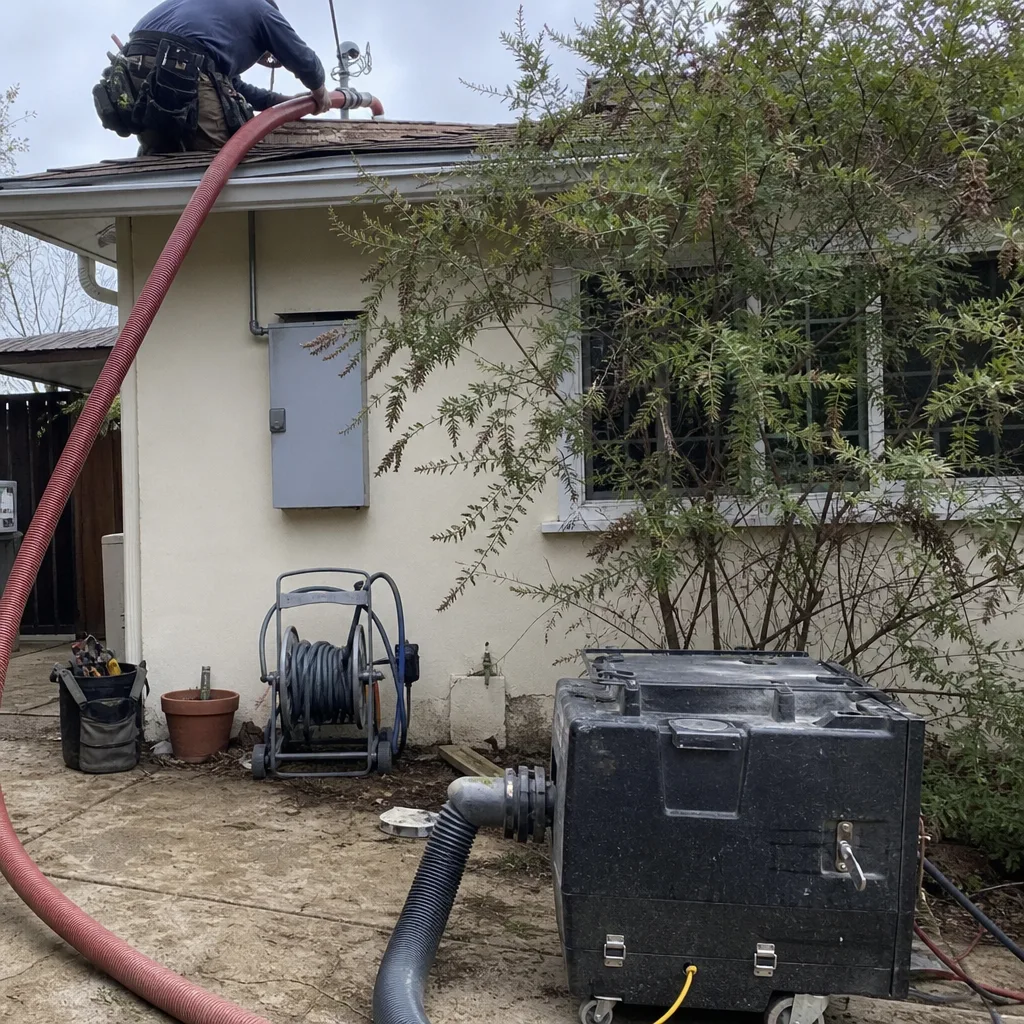 Before
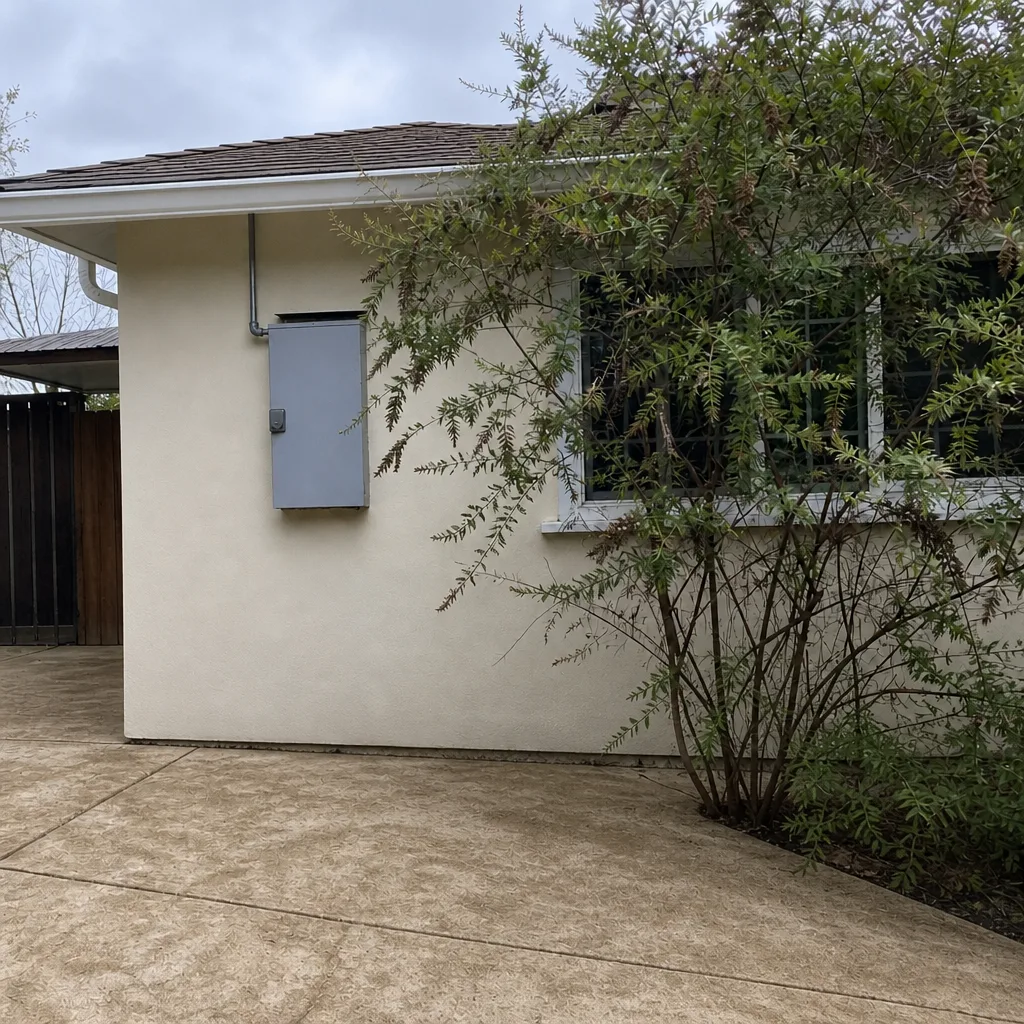 After
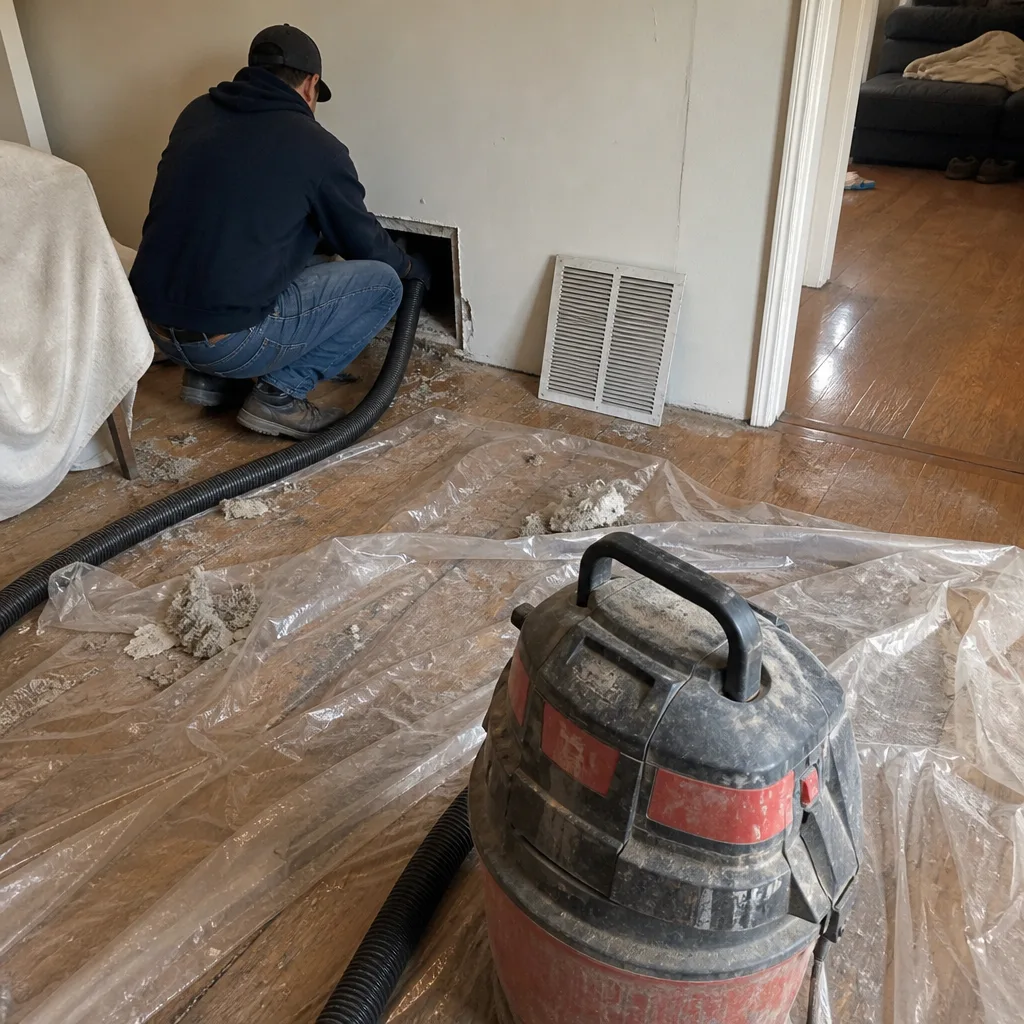 Before
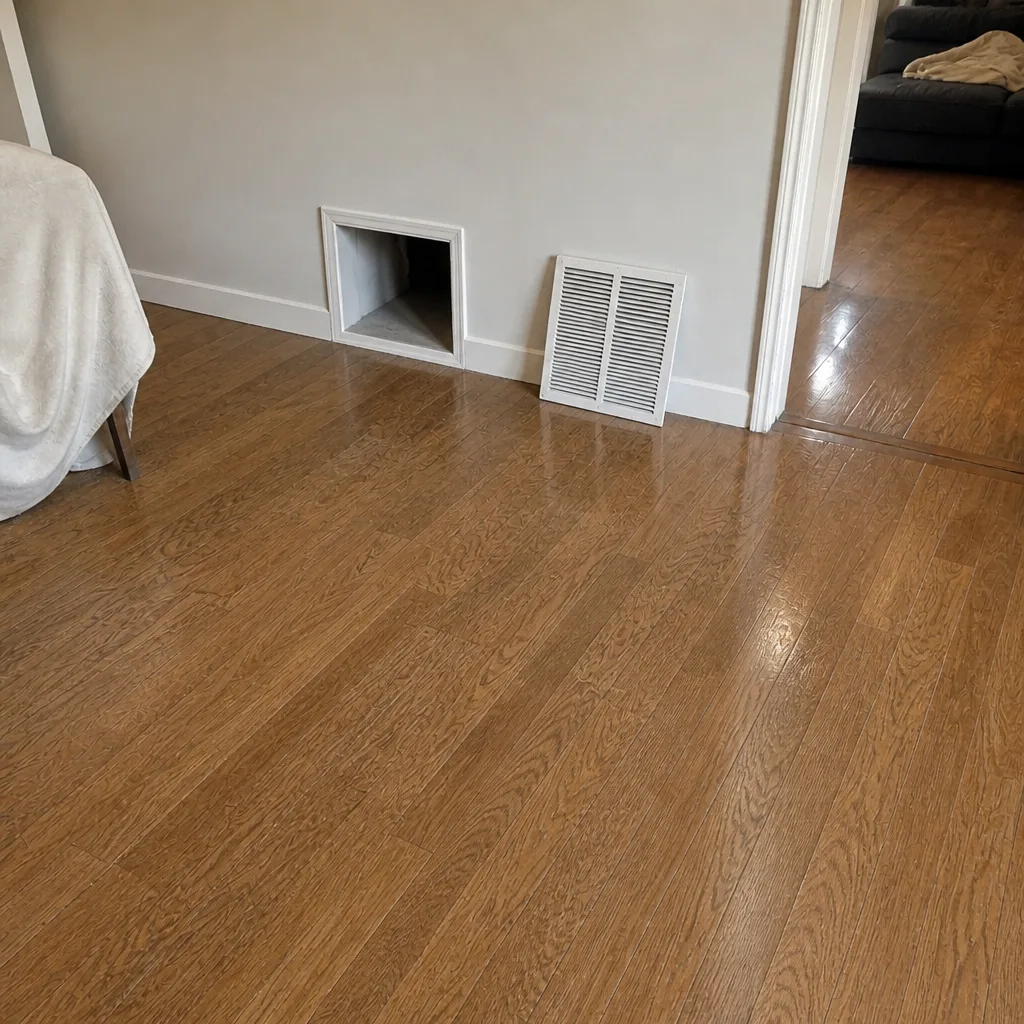 After
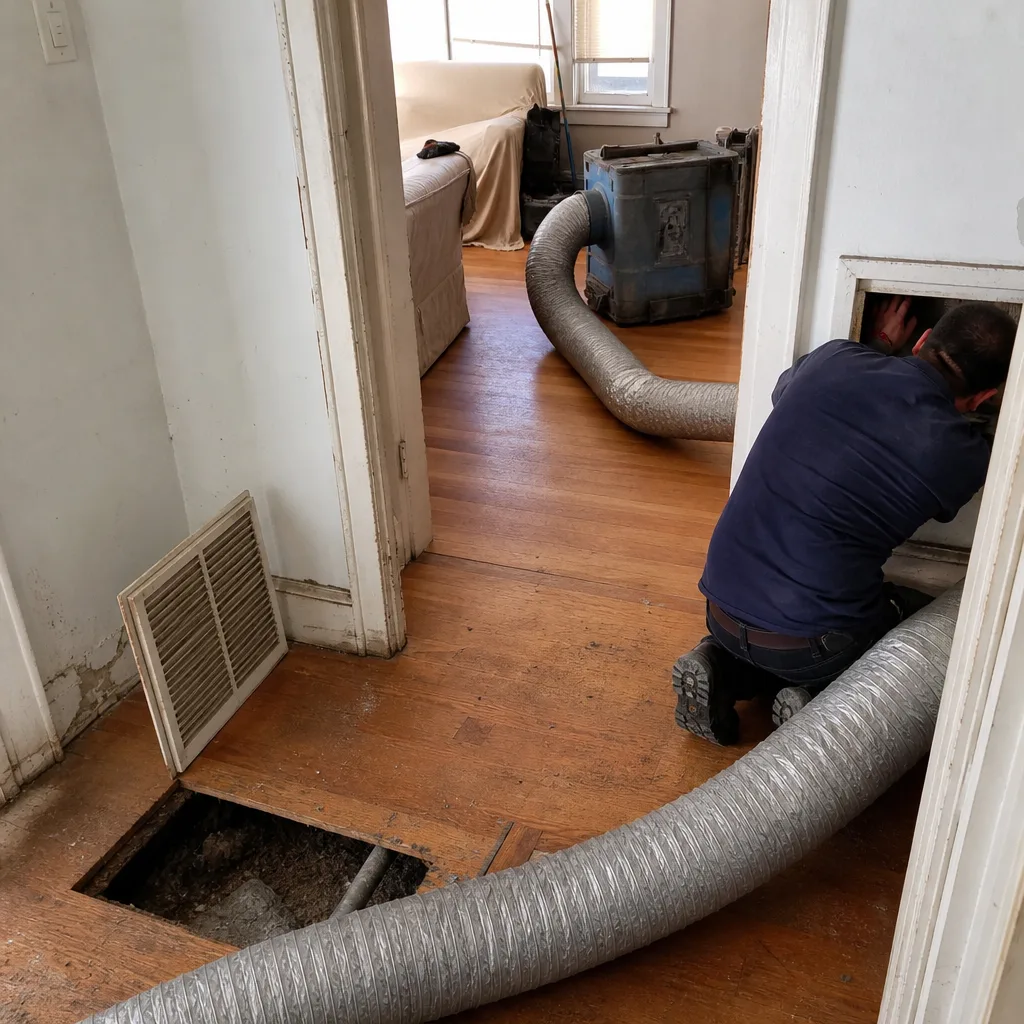 Before
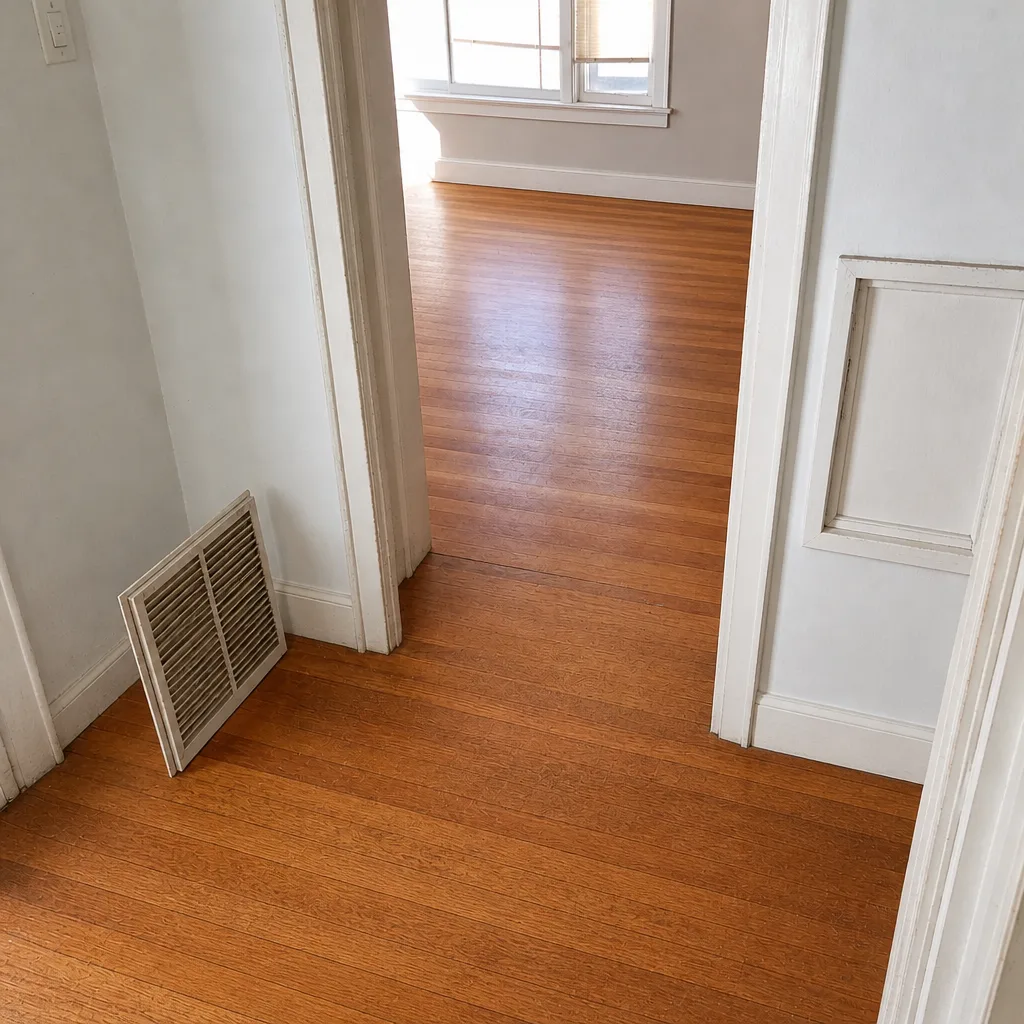 After
When to Call a Professional
Some situations call for a full-scope evaluation rather than a standard cleaning. If you’ve noticed persistent dust or odors that return soon after cleaning, visible mold on duct liner, or a duct system that’s been informally altered by a previous owner, the right first step is a professional assessment of the whole system, not a one-off vacuuming. If you’re buying or selling a Silver Lake home and the inspection flagged duct work, get a written scope from a company that understands the permit line and can tell you honestly which parts of the job require a licensed contractor. If you’re planning duct repair, sealing, or air quality upgrades, that’s the point to schedule a visit and confirm scope before anything is cut. Air Duct Cleaning Silver Lake offers free estimates in Silver Lake; call (877) 492-0146 to get a written scope for your system.
Frequently Asked Questions
No. Cleaning existing ductwork is maintenance and does not require a permit in Silver Lake or anywhere else in the City of Los Angeles. A permit becomes in scope when the work changes the system’s configuration, meaning a repair, replacement, we added or relocated run, or a modification to the plenum or duct layout. If your job is cleaning, sanitizing, or in-place sealing, no permit is involved; call (877) 492-0146 if you want a written scope that confirms it.
Cleaning is confined to the interior of the system as it exists, while repair changes a physical component: replacing a duct section, reconnecting a joint that has failed, or correcting a leak in a way that alters the assembly. Repair generally requires a permit and a licensed HVAC contractor, and cleaning does not. The practical test is whether the system’s layout or components change; if they do, permit process applies. Call (877) 492-0146 for an estimate and a clear answer on which category your job falls into.
It can, in specific ways. Hillside areas can require structural review when a duct penetrates a structural member or grading element, and historic and conservation designations can add review for exterior changes like new vent terminations. Interior cleaning stays outside those reviews, but any exterior alteration may not. Confirm which overlay applies to your parcel before filing, and call (877) 492-0146 if you’d like help scoping the work before anything is cut.
Very often, yes. Buyers order inspections, and an inspector who sees duct modifications with no permit record will flag it. The seller then either documents the work, legalizes it retroactively with an inspection, or negotiates a price reduction. Insurance claims can surface the same problem. The clean solution is to pull the permit when the alteration happens and keep the closed record with the house documents. Call (877) 492-0146 for a written estimate on cleaning or evaluation before your listing goes live.
Mold is a scope issue rather than a permit issue. Cleaning and sanitizing a system with surface mold growth is a cleaning service, but mold that has extended into building materials needs an environmental contractor and a remediation scope, not a standard duct cleaning. We treat ducts with products such as Guardsman where it’s appropriate and tell you plainly when the job needs a different classification. Call (877) 492-0146 to book an assessment and get an honest scope.
Lower quotes usually reflect a surface vacuuming rather than mechanical cleaning with containment, which is faster but leaves the source of the dust in place. Professional work uses rotary brush agitation and negative-pressure equipment, plus documented before-and-after photos of your system, and it costs more because there’s more to it. Compare the scope, not the price. Call (877) 492-0146 for an estimate that quotes the whole system with one flat price, not a per-vent figure.
The Bottom Line
Cleaning your ducts is maintenance. Cutting into them is an alteration, and in California an alteration brings a permit, an inspection, and a record that follows the house. That’s the whole rule, and it’s the one most Silver Lake homeowners get wrong in one direction or the other. Add the layers that come with hillside and historic designations, the asbestos question in older homes, and the resale and insurance implications of unpermitted work, and the sensible path is clear: know what your job actually is before anyone starts, keep the paperwork, and hire companies that will tell you which side of the line the work falls on. Routine cleaning, professional-grade mechanical extraction, and honest scope reporting cost less than a title search surprise.
Call (877) 492-0146 for a free estimate. We answer 24/7. Fast dispatch from 7am to 7pm, Sunday through Friday.
Written by the team at Air Duct Cleaning Silver Lake.