
Last updated November 22, 2026
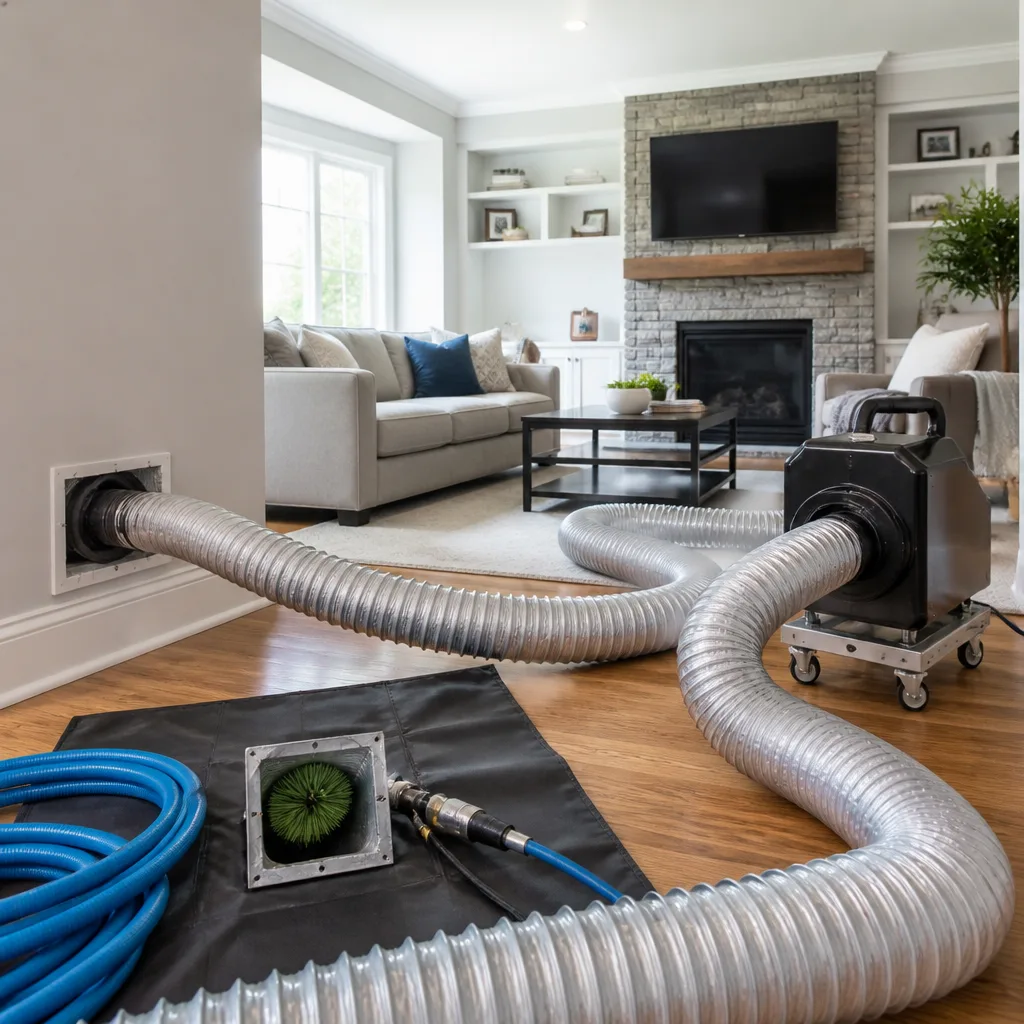 Whole-home duct cleaning
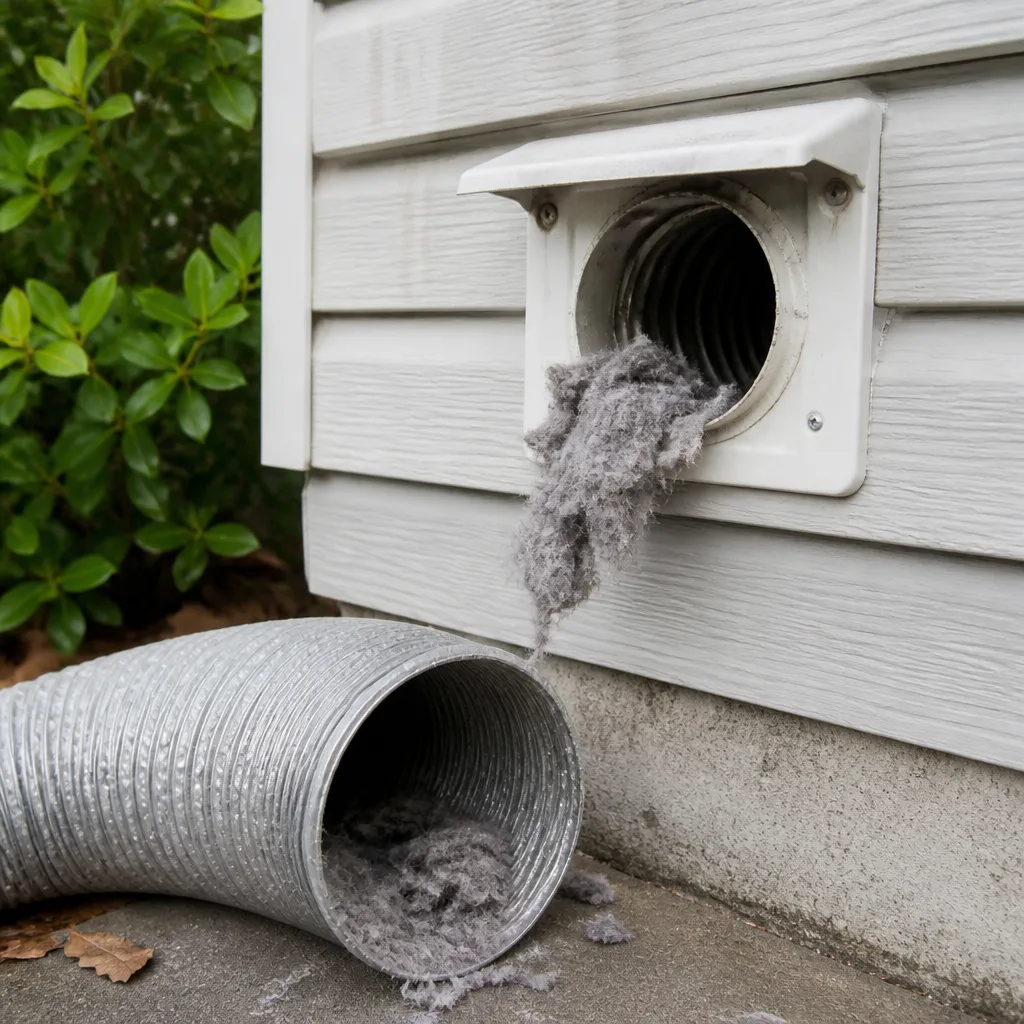 Dryer vent cleaning
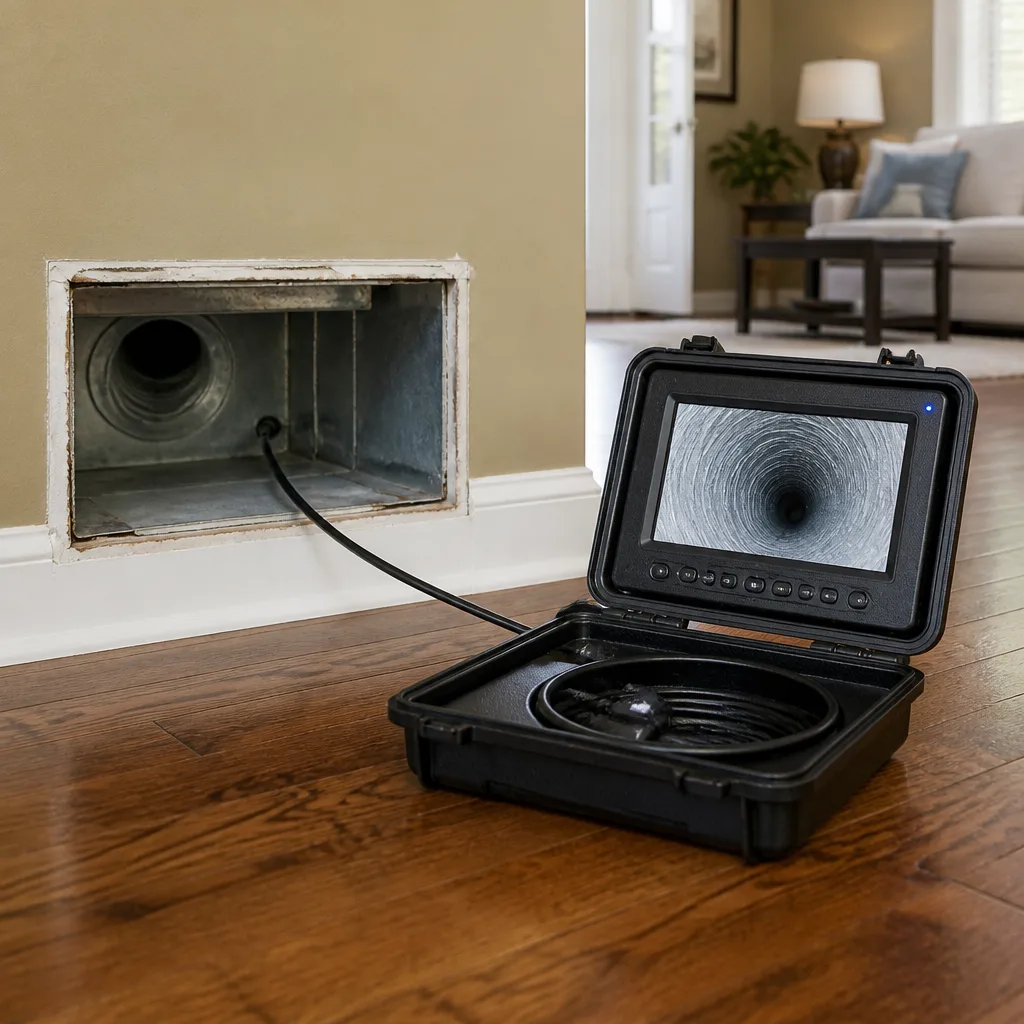 Camera inspection
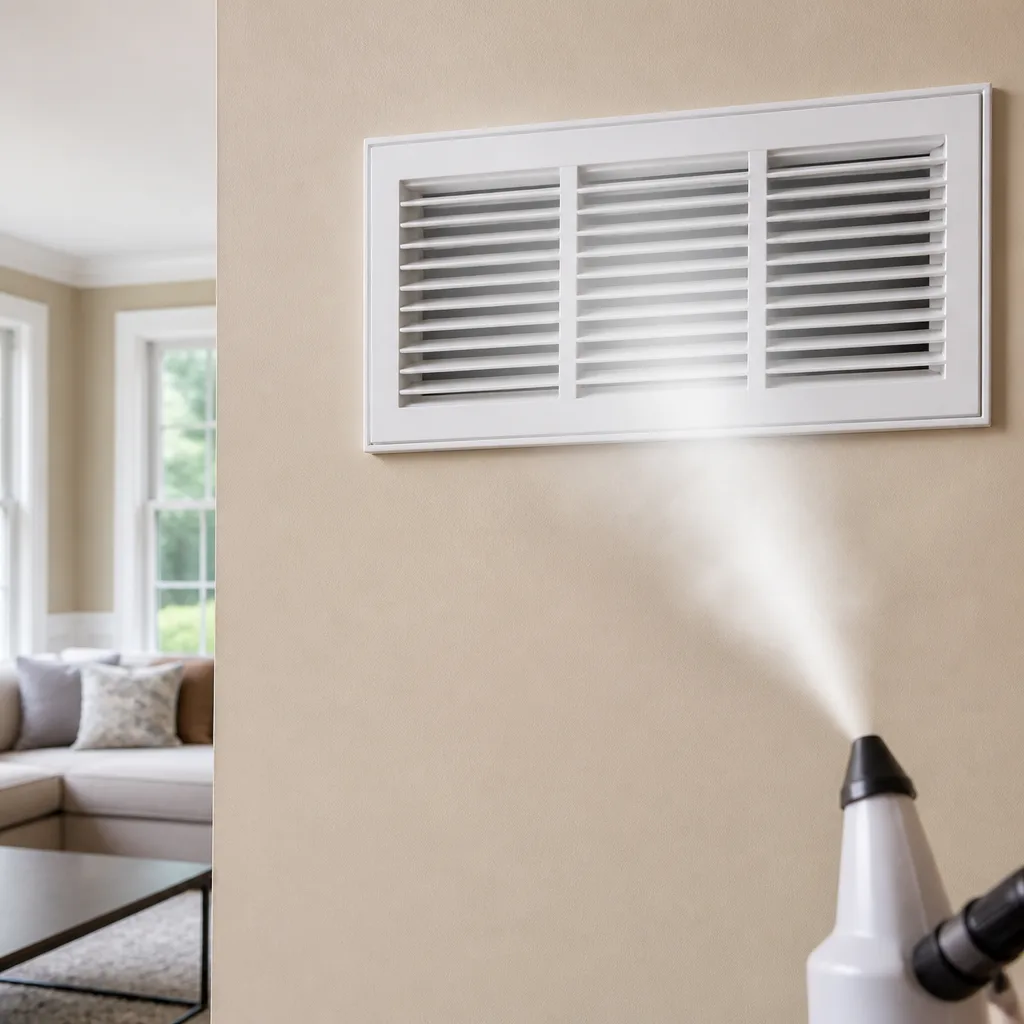 Sanitizing & deodorizing
Whole-system duct and dryer vent check with before-and-after photos - you see exactly what came out of your vents
That "$99 whole-house special" is a bait ad - the real number appears once they are in your hallway, or the "clean" is a shop-vac at the register. We photograph the inside of your ducts before and after instead.
Air Duct Cleaning Warning Signs: A Silver Lake Homeowner’s Reference Guide
If one room in your Silver Lake home is always five degrees warmer than the rest, your HVAC company will likely blame the thermostat or the equipment. But in most hillside and bungalow-style homes here, the answer lives in the ducts. A musty smell gets blamed on the plumbing. Uneven airflow gets blamed on a failing furnace. A dusty shelf gets blamed on the windows. Each one of those guesses sends money in the wrong direction, and the actual problem keeps running quietly through the walls. This reference guide maps the specific symptoms you’re seeing to the duct conditions that cause them, so you can stop chasing the wrong problem and know what kind of fix you actually need.
Quick Answer
The warning signs that matter most are musty odors at the supply registers, visible dust streaks or dark staining around grilles, uneven room temperatures that don’t respond to thermostat changes, and a noticeable jump in dust buildup after the system runs. Any one of these suggests the ducts are carrying more than air. Two or more together usually means a cleaning alone won’t fix it, and you’re looking at repair or sealing as well.
Styles & brands we work with
- Whole-home duct cleaning
- Dryer vent cleaning
- Camera inspection
- Sanitizing & deodorizing
Table of Contents
- Symptom-to-Cause: What Your Ducts Are Telling You
- Read the Odor: Musty, Burning, or Chemical?
- What to Look For at Registers and Grilles
- Dirty Ducts or Failing Equipment? How to Tell the Difference
- Warning Signs Specific to Silver Lake Housing
- When Cleaning Isn’t Enough: Signs You Need Repair or Sealing
- A Ten-Minute Walkthrough Checklist
- Common Mistakes to Avoid
Symptom-to-Cause: What Your Ducts Are Telling You
Most homeowners read a symptom and jump straight to a solution. The better move is to read the symptom and trace it back to the cause. Duct problems tend to announce themselves through the same handful of signals, and each signal points at a different failure mode inside the system.
Here’s the mapping we walk through with homeowners in Silver Lake before any work begins:
- Musty smell at the registers, strongest when the system first kicks on. Usually moisture and biological growth on the inside of the duct surface, often in runs that pass through unconditioned attic space.
- Fine gray dust on furniture that returns within days of cleaning. Typically a debris load in the ducts that the return air keeps pulling through the system and redistributing.
- Dark streaks around a ceiling grille. Air leaking past a poor seal at the grille or boot, pulling attic dust and insulation particles into the airstream.
- One room hot in summer, cold in winter, no matter what the thermostat says. Restricted flow in that specific branch line, often from a crushed, disconnected, or kinked run.
- A whistle or rattle when the blower runs. Pressure imbalance from leaks, undersized returns, or a damper stuck partway closed.
- Higher energy bills with no change in habits. Conditioned air escaping through leaks in the duct runs before it ever reaches a room.
The reason this matters is that the fix is different for each one. A thorough air duct cleaning handles the debris and growth problems. A leak or disconnected run needs duct repair and sealing. Chasing the wrong one wastes money and leaves the symptom in place. If you want the full picture of what each service covers, that’s what we do at Air Duct Cleaning Silver Lake, and we’ll tell you plainly which one your home actually needs.
Read the Odor: Musty, Burning, or Chemical?
Smell is the most reliable signal a duct system gives you, and it’s also the one most often misread. Three odor categories point at three very different conditions, and confusing them sends you toward the wrong contractor.
Musty or earthy
This is the classic moisture signal. It means the inside of the ductwork has stayed damp long enough for biological growth to take hold, which is common in runs that cross a hot attic in summer and cool down fast, leaving condensation on the interior surface. You’ll often notice it strongest in the first minute after the blower starts, because that’s when the whole duct volume pushes into the room at once. This is a cleaning and sanitizing problem, not a plumbing problem, even though it smells like a damp basement.
Burning or hot-metal
A burning smell that shows up only when the heat runs is usually an equipment or heat-exchanger concern, not a duct concern, and it deserves an HVAC technician’s eyes before anything else. A burning smell that’s present year-round, or that only appears in one room, can come from a duct component touching a heat source or from debris sitting on a hot surface inside the system. Both are worth a prompt inspection.
Chemical or solvent-like
Chemical odors tend to trace back to a source outside the ducts that the system is pulling in: stored products, paint, adhesives, or a backdrafting appliance near a return grille. If the smell only appears when the system runs, the return is the likely path. Sealing and correcting return placement often solves more than cleaning does.
Whichever category fits, note when the smell shows up, which rooms it’s strongest in, and whether it changes with the season. That pattern is the most useful thing you can hand a technician. We use remediation-class Abatement Technologies containment during service specifically so that loosened material and odor sources don’t get pushed back into the living space while the system is being worked on.
What to Look For at Registers and Grilles
You can read a lot about your duct system without opening a single panel. Ten minutes with a flashlight and a step stool will tell you whether the ducts are handling air cleanly or carrying a load they shouldn’t.
At the supply registers (where air blows into the room)
- A gray or black film on the grille fins. That’s the dust the system has been pushing through, deposited at the point of exit. Heavy film means a heavy load upstream.
- Dark “ghosting” streaks on the wall or ceiling around the frame. Air is escaping around the grille instead of through it, pulling attic or wall-cavity dust along with it.
- Visible fuzz, lint, or debris clinging to the inside edge. A sign the interior surface has lost its smooth finish or that debris is accumulating at the transition.
- Discoloration that looks like small dark spots rather than flat dust. A biological growth pattern, not ordinary dust. Worth a closer look from someone trained to identify it.
At the return grilles (where air goes back in)
- A filter that’s loaded within a couple of weeks of changing it. Either the filter is too restrictive for the system or the ducts are feeding it debris faster than it can handle.
- Rattling or bowing when the blower runs. The return is starved for air, which strains the blower and pulls dust from every gap it can find.
- Loose or missing screws and gaps at the frame. Unsealed returns pull from wall cavities and attics, and that air never passes through the filter.
Inside the duct itself, if you can see a run
If a section is visible in an attic or utility closet, look at the interior surface. A light, even dust film is normal. A thick, fibrous coating, a visible dust “drift” along the bottom of a horizontal run, or anything that looks like collapsed liner points at a cleaning plus a repair. Professional equipment matters here: a Rotobrush rotary brush system agitates and lifts the coating from the duct wall rather than just pulling loose surface dust, and Nikro negative-pressure equipment keeps the material contained once it’s airborne.
Dirty Ducts or Failing Equipment? How to Tell the Difference
This is the question that saves Silver Lake homeowners the most money, because the two problems look almost identical from the thermostat. Before you call anyone, run through this sequence in order. It takes about fifteen minutes and it narrows the problem down considerably.
- Change the filter and note the date. A fresh filter is the baseline for every test that follows. If air improves immediately, the filter was the bottleneck, and the question becomes why it loaded so fast.
- Check whether the symptom follows the room or the whole house. One problem room points at a branch duct. Whole-house symptoms point at the blower, the filter, or the main trunk.
- Hold a tissue at a supply register in the affected room and compare it to another room. Noticeably weaker flow in one room is a duct-side signal, not an equipment signal.
- Turn the system off and listen. A whistle or hiss with the system off can come from a leaking duct seal. A rattle that only appears when the blower runs points at the blower or a loose component.
- Look at the equipment itself. If the air handler is short-cycling, tripping the breaker, or making a noise it didn’t make before, that’s equipment first, ducts second.
- Watch the dust. Dust that appears in a room within a day or two of cleaning is being delivered through that room’s supply. That’s a duct problem.
Here’s the rough rule we use: if the symptom is about air quality, dust, or odor, look at the ducts first. If it’s about the equipment running strangely, cycling oddly, or failing to heat or cool at all, that’s an HVAC technician’s call. Many homes in Silver Lake have both going on at once, which is why a full-system approach matters more than a single-service visit. If you’re not sure which side you’re on, our HVAC cleaning service starts with a look at the whole system rather than one component of it.
Warning Signs Specific to Silver Lake Housing
Silver Lake’s housing stock creates duct problems you won’t read about in a generic guide. The hillside lots, the bungalows, the older multi-unit Craftsmans, and the way renovations have been layered onto these homes over the decades all shape what fails and where. When we assess a Silver Lake home, these are the patterns that come up most.
Hillside homes with older flexible duct
Long runs of flexible duct work well when they’re installed straight and supported properly. On a hillside lot, runs often take tighter turns and longer paths to reach rooms at different elevations, and older flex duct in that configuration sags, kinks, and collects debris at the low points. Sagging flex also collapses under its own weight over time, which restricts flow to whatever rooms sit at the end of the run. If the rooms that are furthest from the equipment are also the ones with the weakest airflow, that’s the pattern to look for.
Bungalows with attic duct runs
Bungalows here commonly route supply trunks through the attic. That space swings through big temperature changes across the year, and any leak in an attic run pulls that attic air straight into your rooms. It’s also where you’ll see the most condensation on the inside of the duct, which is where that musty smell originates. Dark Streaks around a ceiling register in a bungalow usually mean the boot connection has opened up and the attic is now part of the airstream.
Shared-wall ducts in multi-unit Craftsmans
In a converted multi-unit, ducts sometimes run through shared wall cavities or connect to returns that serve more than one unit. The signs to watch for are odor that seems to arrive from a neighbor’s space, dust that appears in patterns matching wall studs, and pressure changes when another unit’s system runs. These need sealing and careful assessment, and a plain cleaning won’t fix the cross-connection. Property managers around Silver Lake should treat these symptoms as a building issue, not a tenant issue.
Homes with layered renovations
When a house has been added to and remodeled in stages, duct runs get extended, rerouted, and sometimes abandoned in place. Old disconnected runs that are still attached to the system pull unconditioned air from wherever they terminate, and that shows up as dust and uneven temperatures that no amount of thermostat adjustment fixes. A proper assessment traces every run rather than assuming the visible ones are the whole system.
When Cleaning Isn’t Enough: Signs You Need Repair or Sealing
A lot of duct problems get sold as cleanings when the real fix is repair. Cleaning is the right answer for debris and biological growth. It’s the wrong answer for structural failures, and a good technician will tell you which one you’re looking at before any work starts. Rotobrush and Nikro equipment will clean a duct thoroughly, but they won’t reattach a disconnected run or close a gap in a plenum.
These signs point at repair or sealing rather than cleaning alone:
- Airflow at a register doesn’t improve after cleaning. There’s a restriction or disconnection upstream that cleaning couldn’t reach.
- Visible gaps or separated joints at the plenum, boots, or trunk transitions. Every gap leaks conditioned air into the attic, wall cavity, or crawl area.
- Duct tape that’s peeling, dried out, or hanging loose. Older cloth-backed tape fails with age, and the leak it was covering is now open.
- Sagging or crushed flex runs. The run is physically restricting flow regardless of how clean it is.
- Dust returning to a room within days of a cleaning. Sealing is what stops the recontamination, because the entry point is still open.
- Uneven temperatures that persist after cleaning and after a filter change. Flow balance problem, not a cleanliness problem.
We treat duct repair and sealing as a core service rather than an upsell, because sealing is what keeps a cleaned system clean. When we find leaks during a cleaning, we can address them in the same visit, and we can add filtration or humidity control in the same appointment with Honeywell and Aprilaire products. The point of a full-cycle approach is simple: better air starts with a system that’s been fully cleaned, sealed, and treated, not just blown out. If you suspect your ducts need more than a cleaning, our air duct cleaning assessment covers the whole system and tells you what’s actually failing.
A Ten-Minute Walkthrough Checklist
Run through this list before you call anyone. Write down what you find, note which rooms are affected, and snap a photo of anything that looks unusual. It makes the conversation far more useful than a description from memory.
- Smell each room’s register with the system running and again one minute after it kicks on. Note musty, burning, or chemical, and which rooms are strongest.
- Look at every grille for dust film and streaking. Photograph the worst one and note whether the streaking is on the grille or on the surrounding wall.
- Feel airflow at each register with a tissue or your hand. Rank the rooms weakest to strongest. The pattern tells the story.
- Check the filter’s age and condition. Note when you last changed it and how loaded it is now.
- Look for visible duct runs in the attic, basement, or utility closet. Note any sagging, kinks, or detached connections.
- Wipe a shelf or TV stand in each room and check it again in three days. Note where dust returns fastest.
- Listen at the equipment for rattles, whistles, or short-cycling, with the system on and off.
- Compare a recent energy bill to the same month last year, adjusting for any change in usage.
That record is enough for any competent technician to narrow the cause down quickly. It’s also how you avoid paying for the wrong service.
Common Mistakes to Avoid
- Blaming the thermostat for a duct problem. A thermostat sets a target; it doesn’t fix a crushed branch line. If one room never matches the rest, the thermostat reading is accurate and the airflow isn’t.
- Booking the cheapest duct cleaning quote without asking what it covers. A low price often buys a surface vacuuming of the accessible runs and nothing else. Ask what equipment will be used and whether containment is part of the job.
- Blaming a musty smell on plumbing. In Silver Lake’s bungalows, a musty smell that appears only when the system runs is coming from the ducts, not the drain. Trace it before you call a plumber.
- Skipping the reason a filter loads so fast. Replacing a filter every two weeks treats the symptom. The debris source upstream is still feeding it, and that’s the thing worth fixing.
- Cleaning without sealing. A cleaned duct with open leaks recontaminates from the attic or wall cavity within weeks. Sealing is what keeps the work you paid for.
- Assuming a multi-unit building has a single-system problem. In shared-wall Craftsmans, odors that seem to come from a neighbor mean sealing and assessment, not a standard cleaning appointment for one unit.
- Trusting a walkthrough with no before-and-after evidence. Ask for photos of your own ducts before and after. It’s the only way to know what was actually done.
See the difference
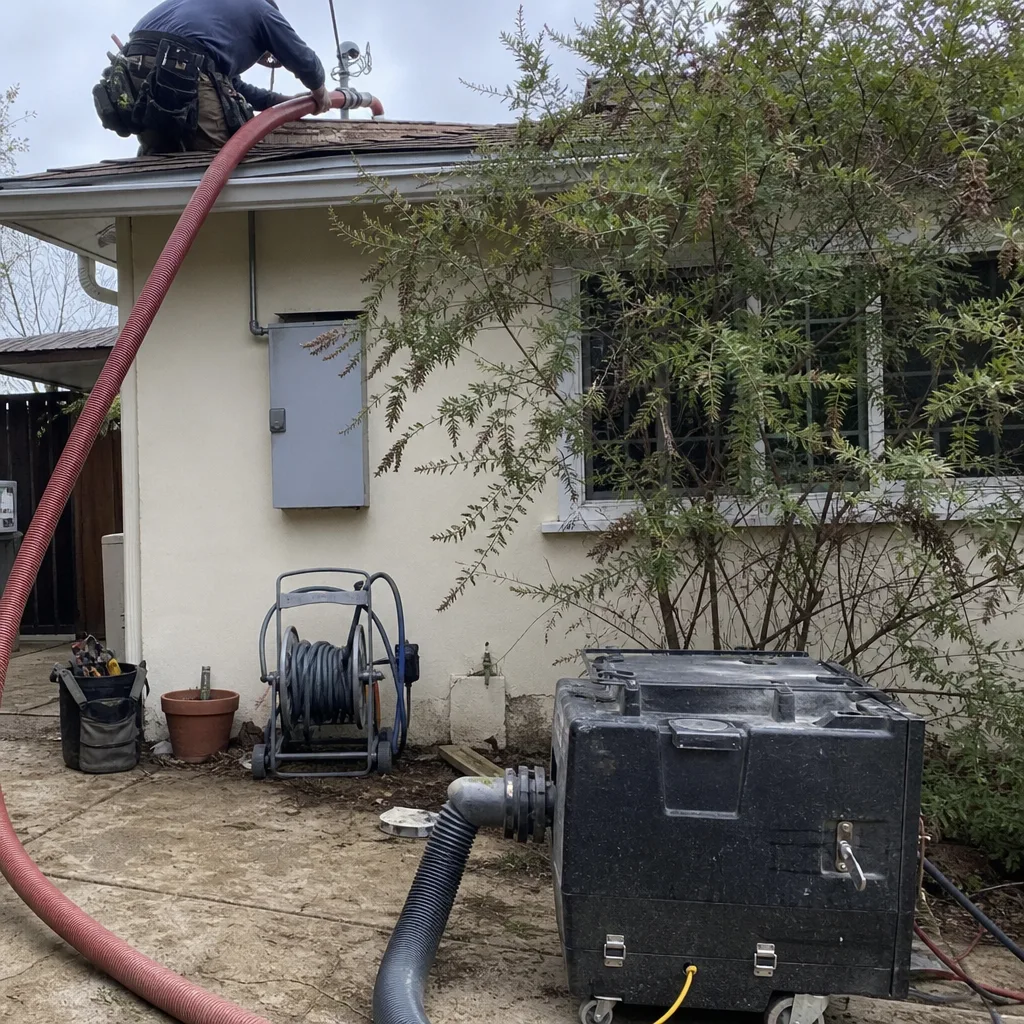 Before
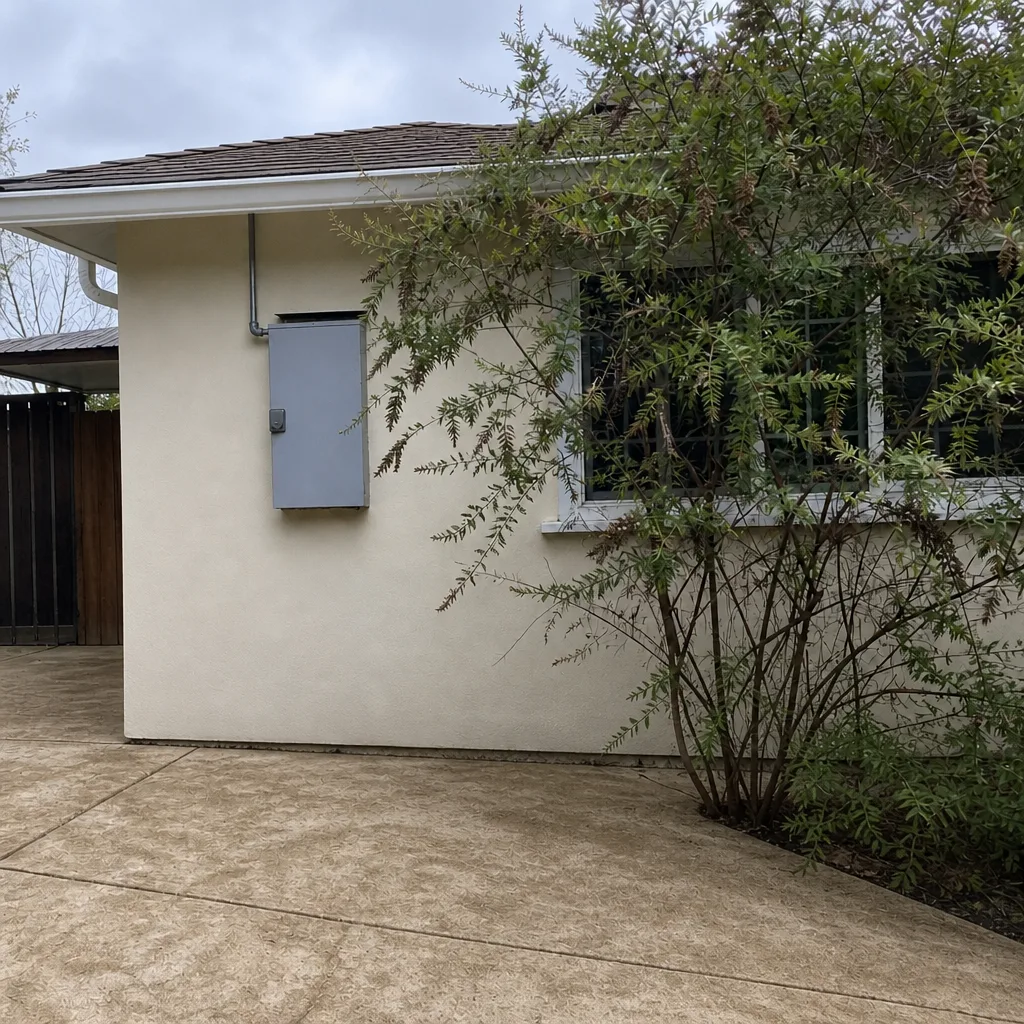 After
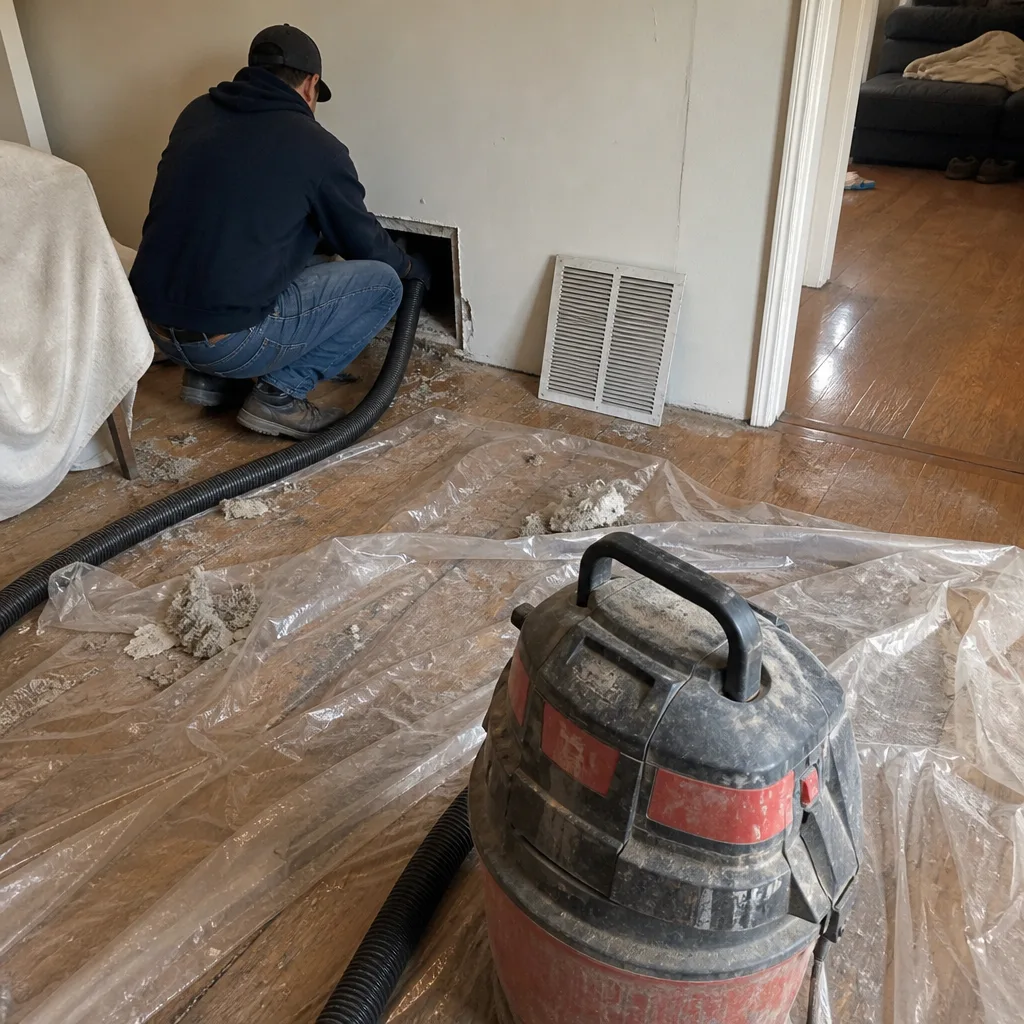 Before
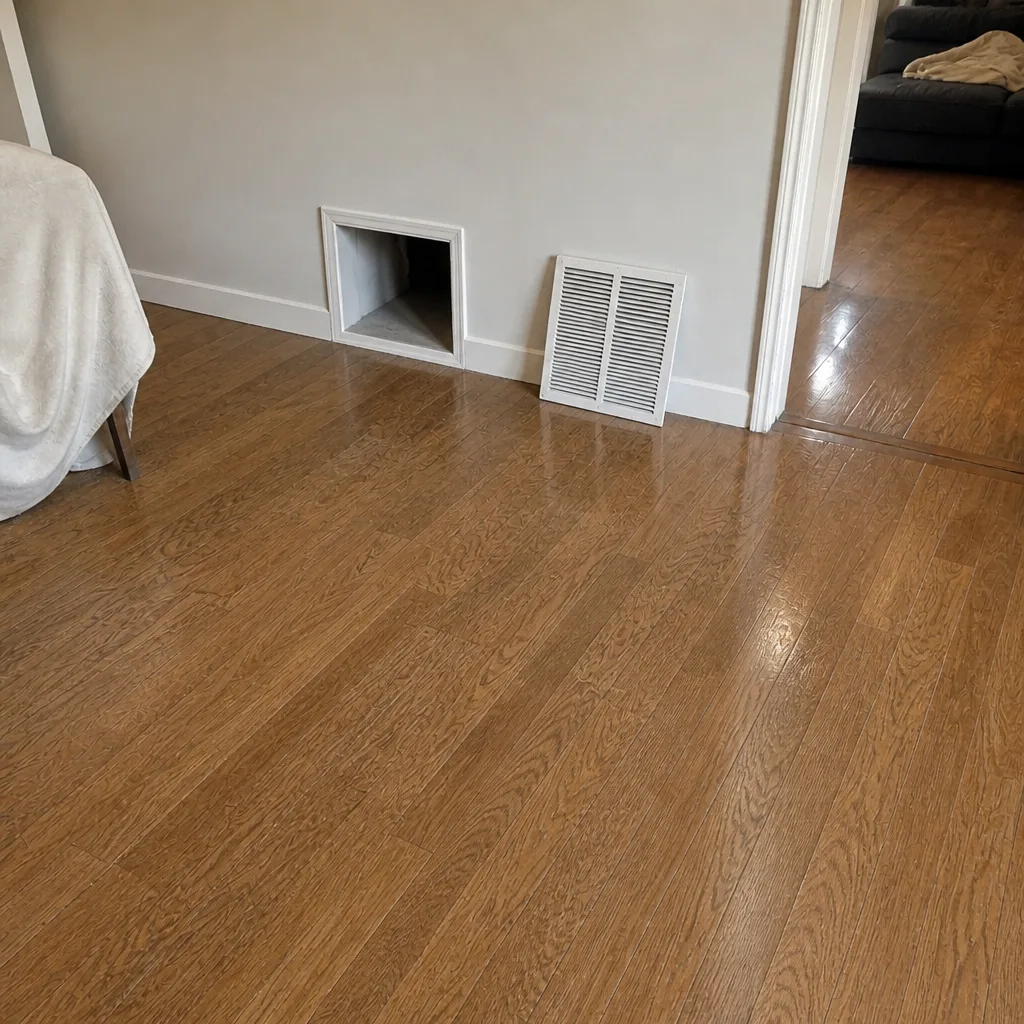 After
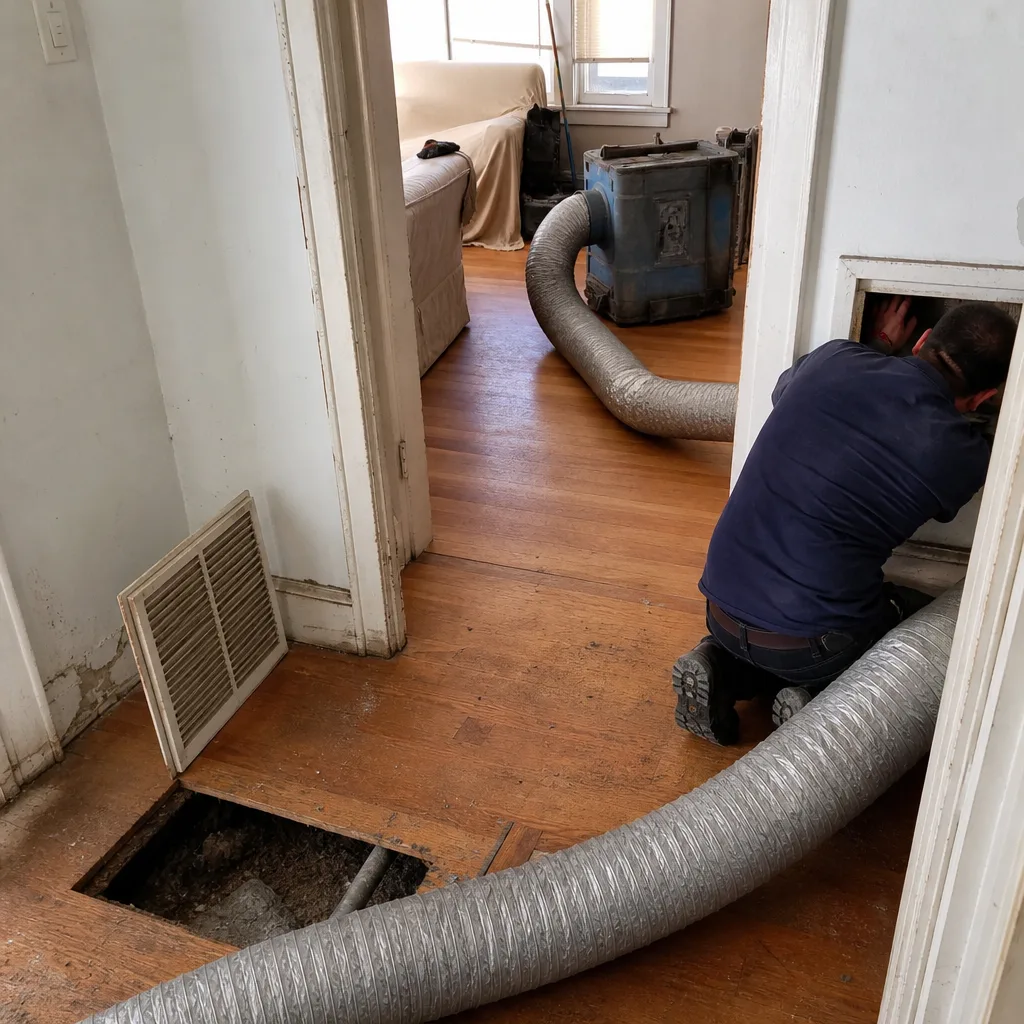 Before
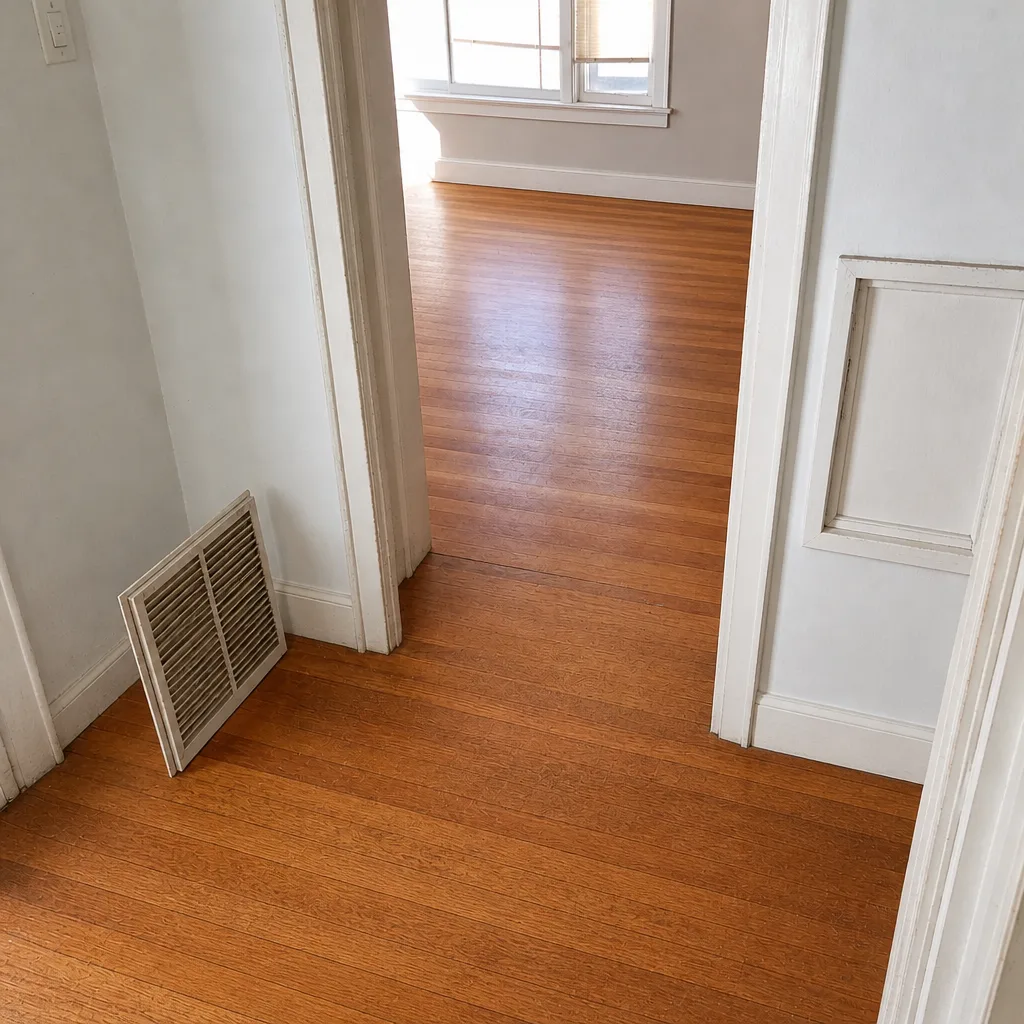 After
When to Call a Professional
Call a professional when two or more of the warning signs in this guide show up together, when airflow in a room doesn’t improve after a filter change, or when you can see visible gaps, sagging, or disconnected runs in an accessible duct section. Call promptly if there’s a musty smell that persists after cleaning the grilles, if dust returns within days of a room being wiped down, or if you manage a multi-unit property in Silver Lake and odors seem to cross between units.
Air Duct Cleaning Silver Lake offers free estimates in Silver Lake. Call (877) 492-0146. We answer 24/7. Fast dispatch from 7am to 7pm, Sunday through Friday. Our technicians have up to 11 years of experience, and we assess the whole system before recommending anything. If your dryer is taking two cycles to finish a load, that’s a separate signal worth a dryer vent cleaning check as well, since lint buildup in a vent run is a real fire concern.
Frequently Asked Questions
Musty odor at the supply registers, strongest right when the system starts, is usually the first and most reliable sign. It means the interior duct surface has stayed damp long enough for growth to take hold. Uneven dust buildup and room temperature differences that don’t respond to the thermostat come next. Call (877) 492-0146 for an exact assessment. Estimates are free.
Pricing is set per job by a written estimate, and it depends on the number of systems, the length and condition of the duct runs, and whether repair or sealing is needed. What we won’t do is quote a teaser price that grows once a technician is on site. One flat price per system is agreed before any work starts, and you’ll see before-and-after photos of your own ducts. Call (877) 492-0146 for an exact quote. Estimates are free.
Cheaper quotes usually cover a surface vacuuming of accessible runs with no mechanical agitation, no containment, and no inspection for leaks or disconnected runs. That leaves the coating on the duct wall and the leak that recontaminates it. The better comparison isn’t the price, it’s what equipment and protocol the quote includes. Call (877) 492-0146 and we’ll walk you through exactly what our service covers. Estimates are free.
Ask for before-and-after photos of your own duct interior and the registers. A technician using Rotobrush rotary equipment can show you the agitation and extraction results directly, and remediation-class Abatement Technologies containment means the material came out rather than recirculating into your rooms. If a company can’t show you that, treat the question as unanswered.
Most homes go several years between cleanings, but the right interval depends on what’s in the air. A hillside bungalow with attic runs, a household with pets, a recent renovation, or a multi-unit building all shorten the interval. Rather than working from a calendar, watch the signs: return of musty odor, dust that comes back within days, or airflow that drops off. Call (877) 492-0146 when you notice them. Estimates are free.
No. A musty smell that’s present year-round can come from a plumbing or drainage issue, especially in a ground-floor room. The distinguishing detail is timing: if the smell is strongest when the system starts running, it’s coming from the ducts. If it’s steady regardless of the HVAC, rule out the plumbing first. A duct assessment answers the question quickly, and if it turns out to be something else, we’ll tell you. Call (877) 492-0146. Estimates are free.
The Bottom Line
The warning signs in this guide are all asking the same question: is your duct system carrying air, or is it carrying debris, moisture, and attic dust along with it? Read the odor before you call a plumber. Check airflow room by room before you replace a thermostat. Look at your registers before you assume a filter problem. And if the signs point at leaks or disconnected runs, cleaning alone is the wrong fix. A full assessment covers the whole system and tells you whether you’re looking at cleaning, repair and sealing, or a sanitizing treatment. Air Duct Cleaning Silver Lake offers free estimates in Silver Lake. Call (877) 492-0146. We answer 24/7. Fast dispatch from 7am to 7pm, Sunday through Friday.
Written by the team at Air Duct Cleaning Silver Lake.