
Last updated November 22, 2026
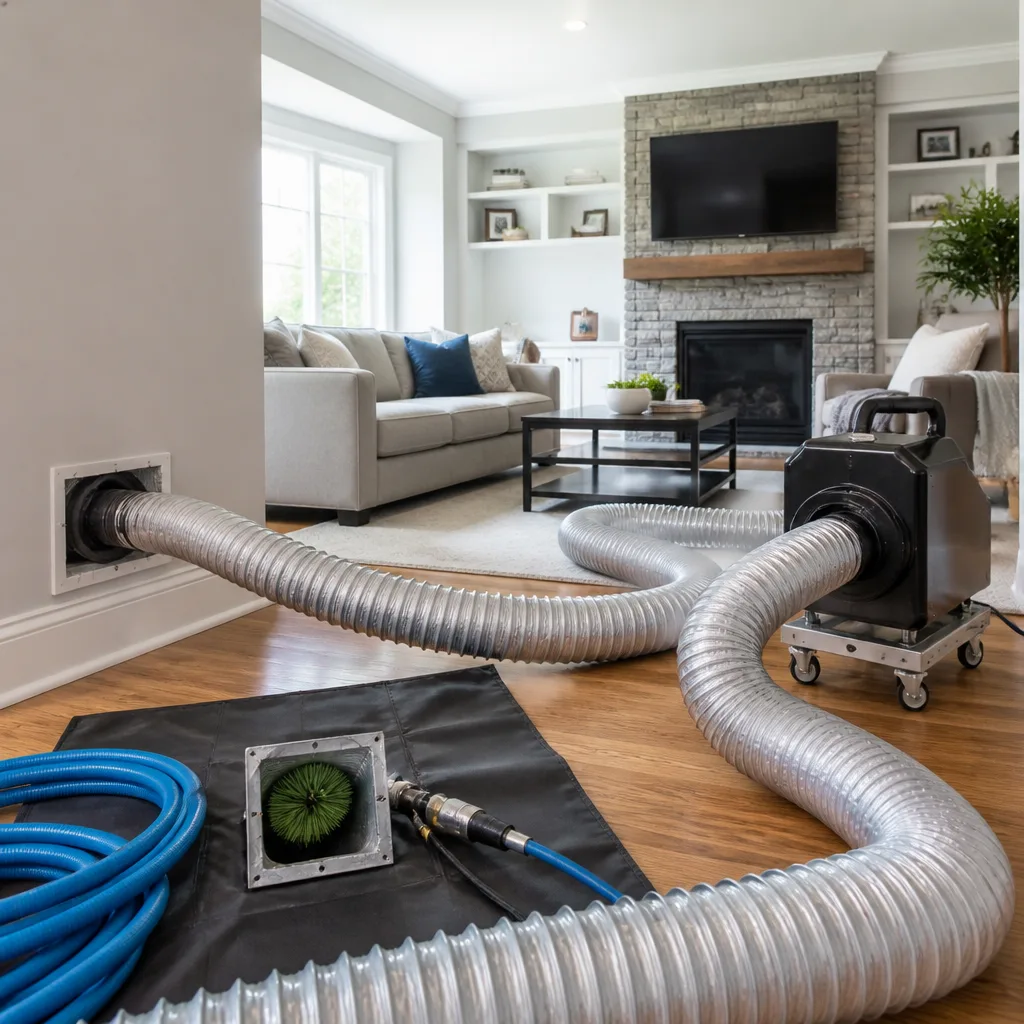 Whole-home duct cleaning
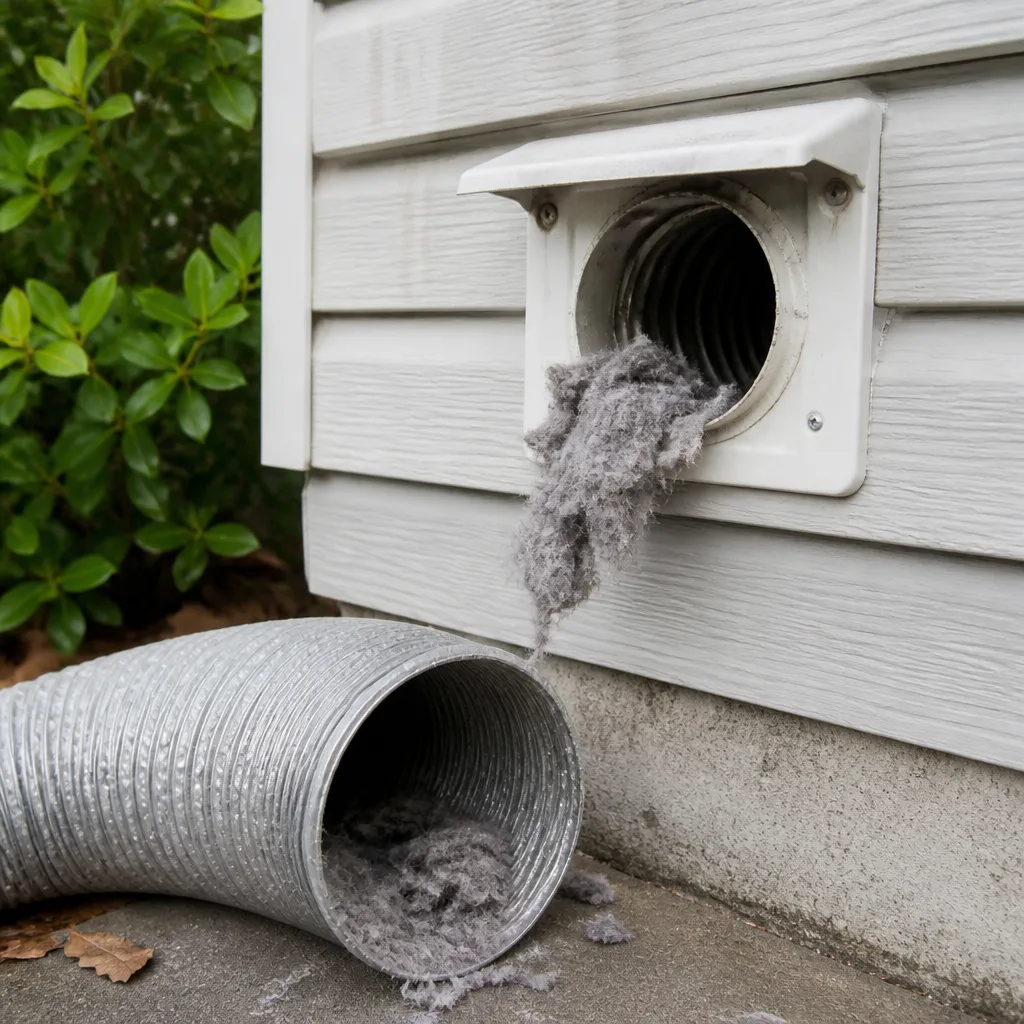 Dryer vent cleaning
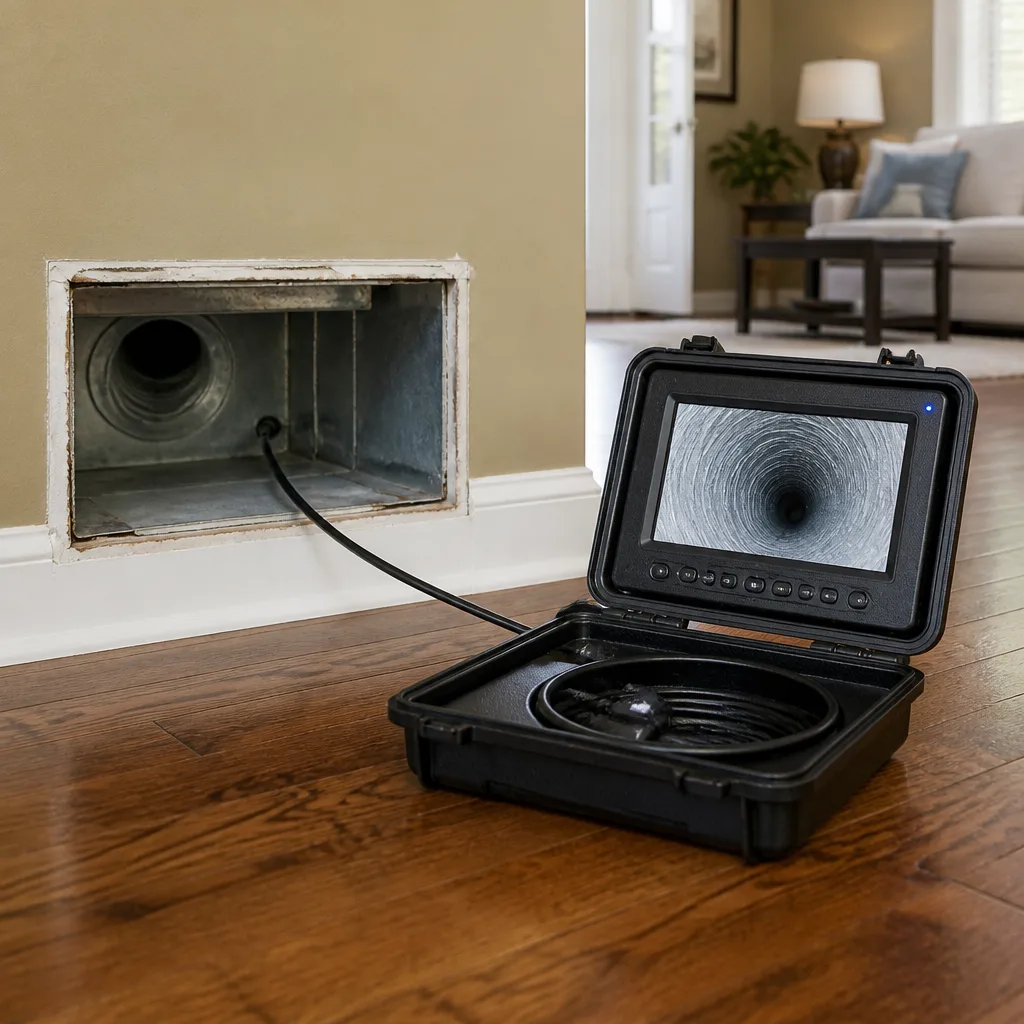 Camera inspection
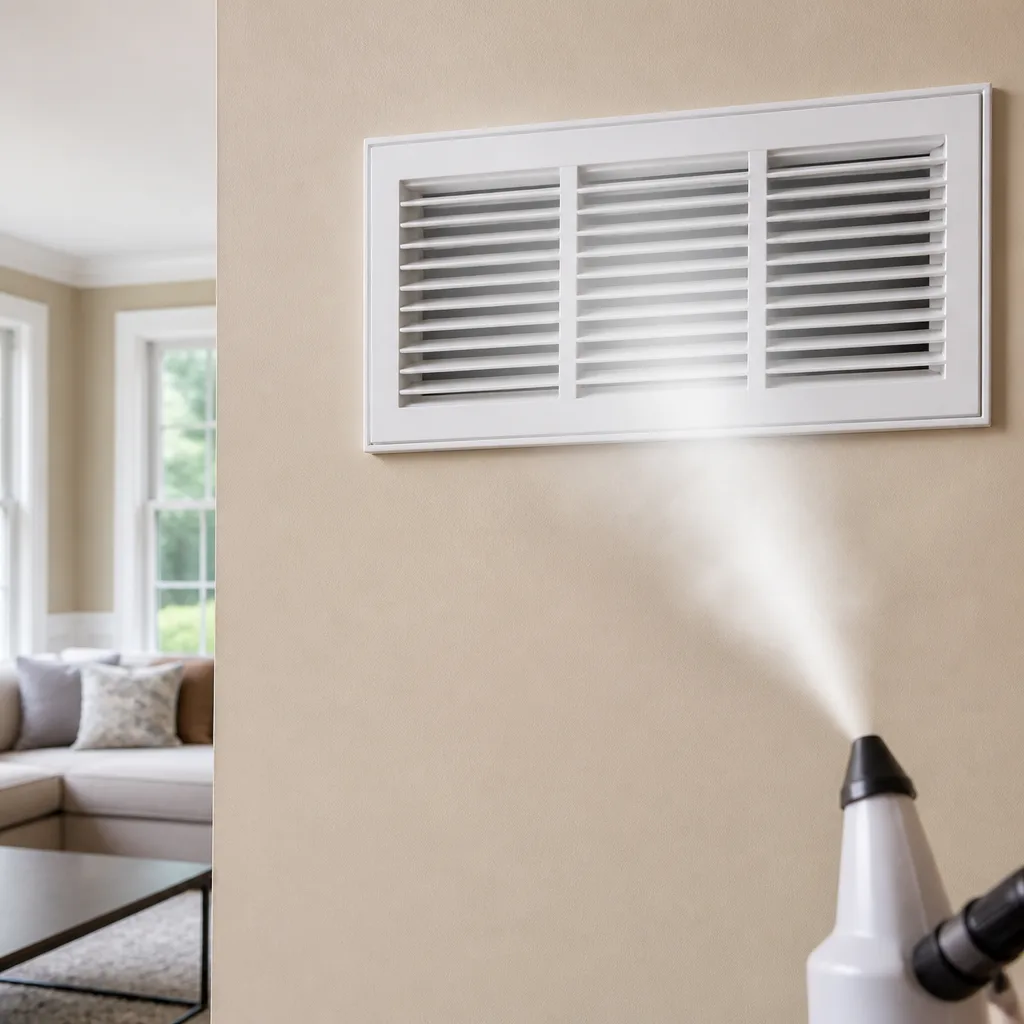 Sanitizing & deodorizing
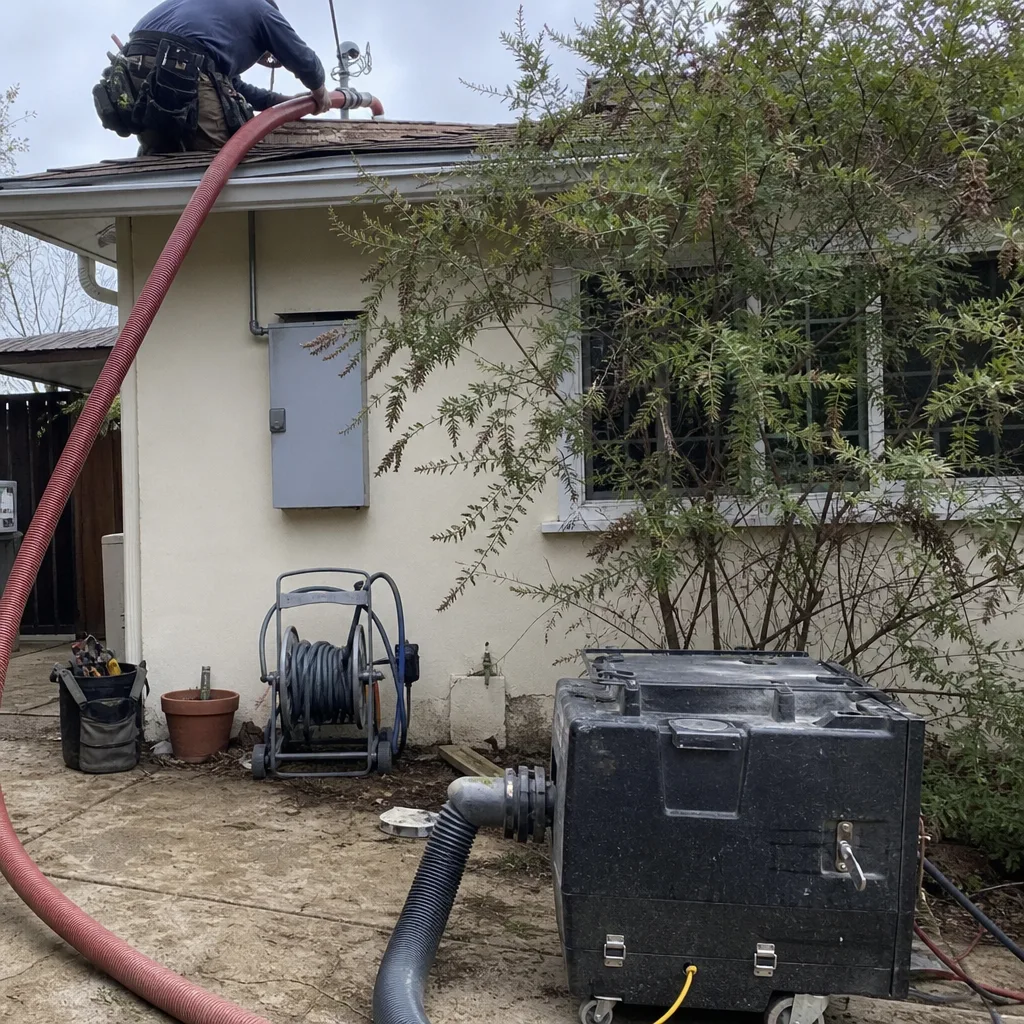
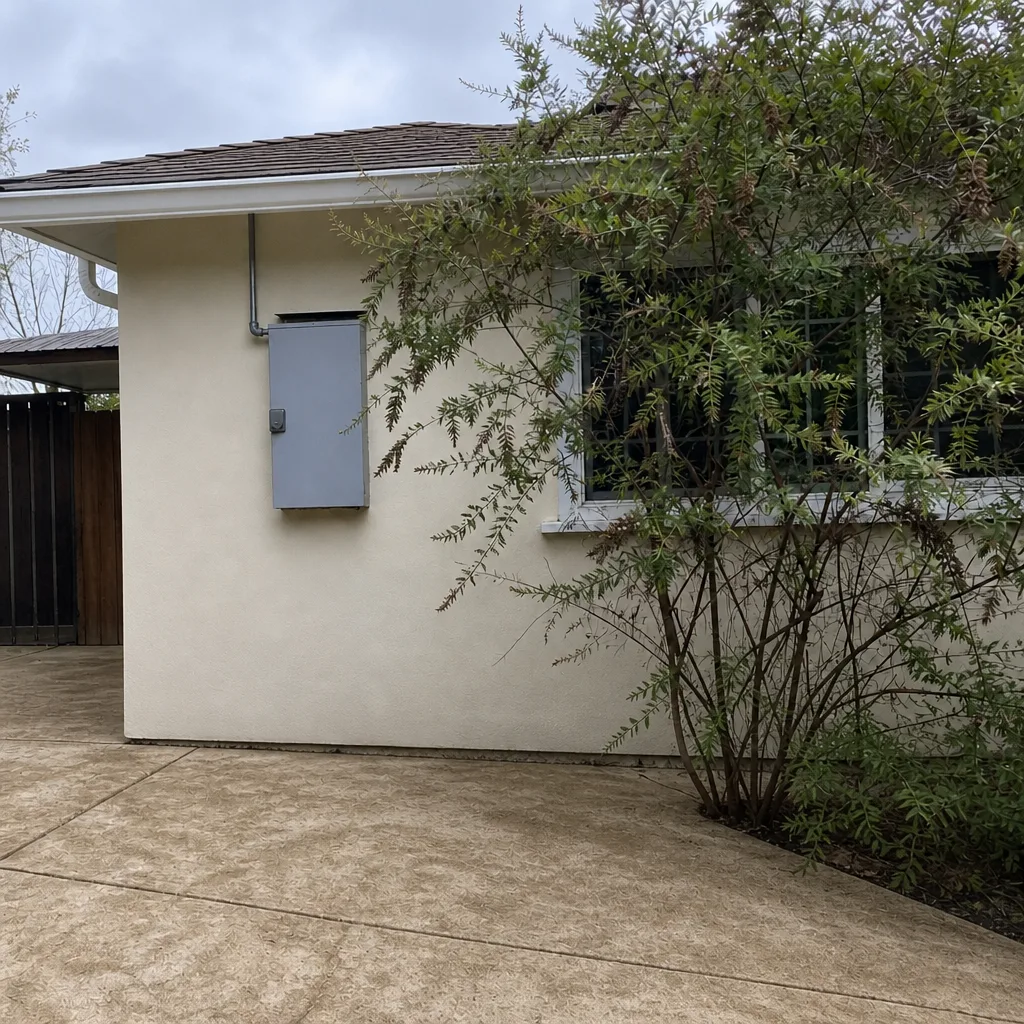
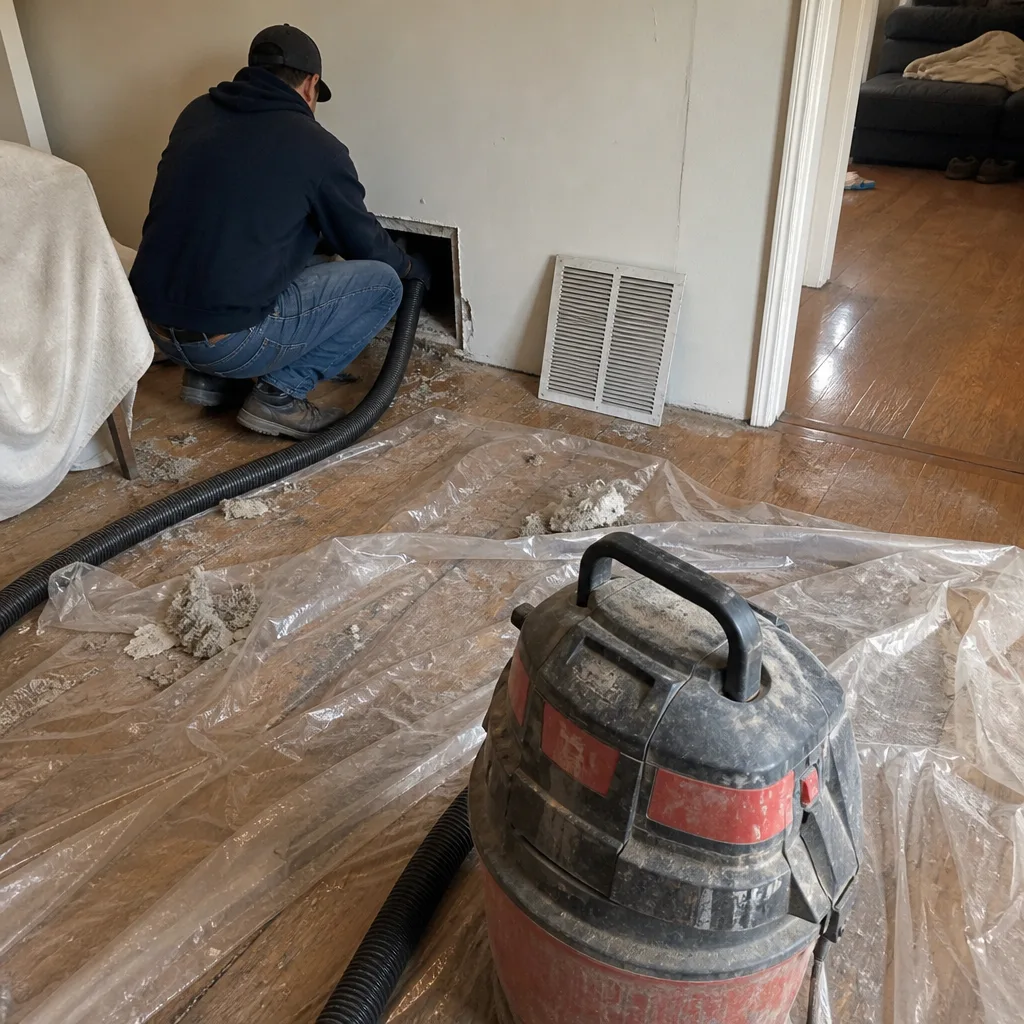
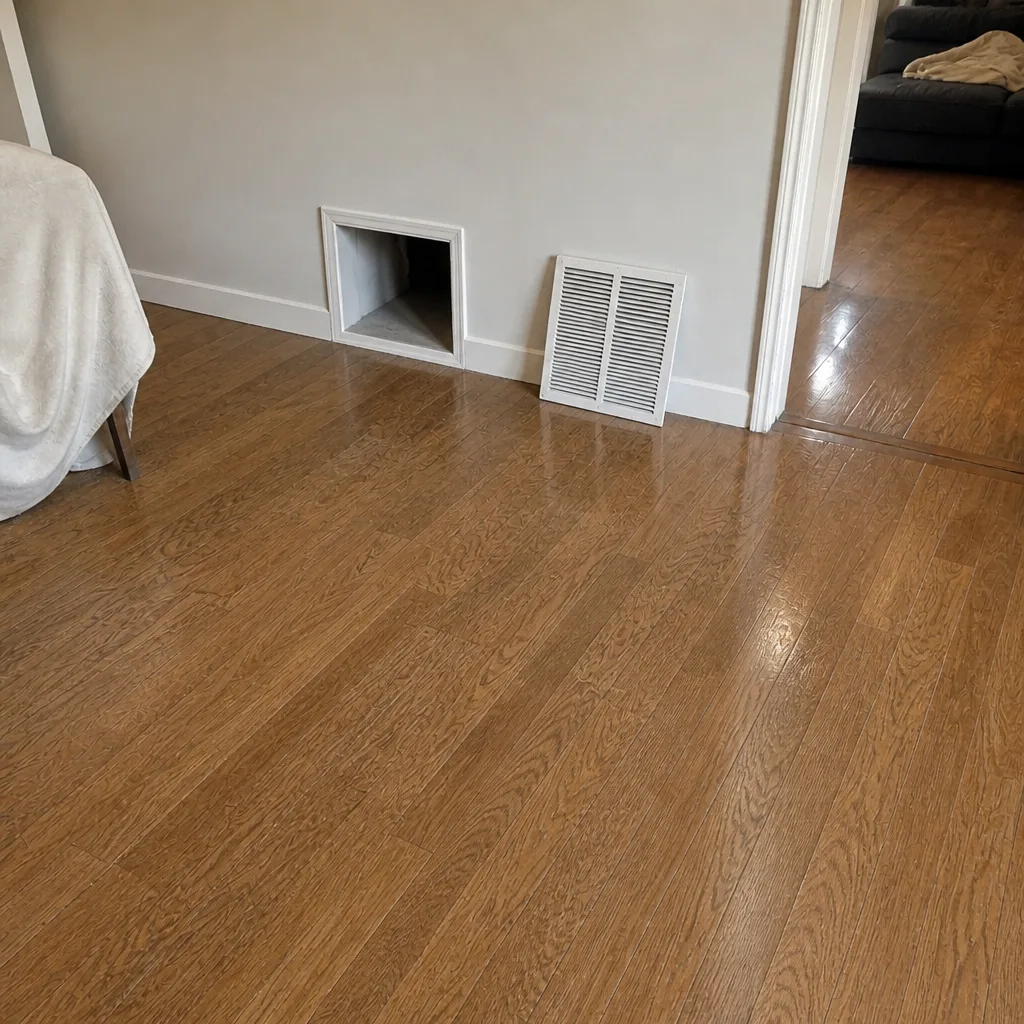
Whole-system duct and dryer vent check with before-and-after photos - you see exactly what came out of your vents
That "$99 whole-house special" is a bait ad - the real number appears once they are in your hallway, or the "clean" is a shop-vac at the register. We photograph the inside of your ducts before and after instead.
Seasonal Air Duct Cleaning Care for Silver Lake: Year-Round Homeowner’s Guide
Most seasonal duct cleaning advice is written for a place with four textbook seasons, so it gets the timing wrong here. October is widely recommended as a “good fall cleaning month,” yet for Silver Lake it’s the worst possible window: October is when wildfire smoke exposure peaks across Los Angeles, so cleaning before that event means the ducts are freshly soiled by the time the smoke clears. Silver Lake doesn’t run on spring-summer-fall-winter. It runs on four distinct air quality phases, each loading your duct system with a different category of contaminant that calls for a different response. This guide walks through all four phases, how the Silver Lake Reservoir and hillside microclimates affect what grows inside your ducts, and how to use LA County AQMD air quality data to time cleanings, filter changes and inspections so you’re servicing the system after the contamination, not before it.
Quick Answer
Air duct cleaning in Silver Lake is best scheduled at the end of a contamination phase rather than a fixed calendar month: late winter into early spring for the marine layer and mold season, early fall before wildfire windows open, and immediately after any significant smoke event. The right service differs by phase, ranging from mechanical cleaning to sanitizing to sealing, and dust alone rarely tells you which you need. Pair any cleaning decision with AQMD air quality readings and a visual inspection of the return registers and duct interior.
Styles & brands we work with
- Whole-home duct cleaning
- Dryer vent cleaning
- Camera inspection
- Sanitizing & deodorizing
Table of Contents
- What are Silver Lake’s four air quality phases?
- How does the marine layer and mold season affect your ducts?
- What happens during the dry wind and particle season?
- How should you handle wildfire smoke windows?
- How does the Silver Lake Reservoir affect indoor humidity and growth?
- What’s the optimal service window for each phase?
- How do you use LA County AQMD data to time cleanings and filters?
- What does a phase-by-phase action plan look like?
What are Silver Lake’s four air quality phases?
Silver Lake cycles through four overlapping air quality phases rather than four clean seasons: a marine layer and mold window, a dry wind and particle window, wildfire smoke windows, and mild shoulder periods between them. Each phase introduces a different contaminant class into your HVAC system, and each one responds to a different service. Treating the year as a single “clean once in fall” cycle misses what the system is actually accumulating.
Here’s how the four phases break down in practical terms:
- Marine layer and mold season – cool, damp, still air pushed inland overnight, usually heaviest in late winter and early spring. Elevated indoor humidity encourages biological growth on the cool surfaces inside ductwork and on evaporator coils.
- Dry wind and particle season – hot, dry, gusty stretches, typically from late spring through summer, that drive fine grit, pollen and dust into every return grille. Particles settle in horizontal duct runs and on blower wheels.
- Wildfire smoke windows – unpredictable and heavily concentrated in late summer and fall, when regional smoke drifts into the basin and fine particulate rides the return air into the system. This is the single most contaminating phase of the year for Silver Lake.
- Mild shoulder periods – the calmer stretches between the above, when humidity is moderate and particle load drops. These are the honest windows for inspections, duct repair and sealing, and system upgrades.
The takeaway is that you’re not cleaning a system on a fixed schedule; you’re cleaning it after a specific contamination event has passed and before the next one begins. That’s the difference between seasonal duct care and real indoor air quality management in Silver Lake. When you need the mechanical work done, our air duct cleaning service covers the full cycle, from agitation through extraction and treatment, in a single visit wherever possible.
How does the marine layer and mold season affect your ducts?
The marine layer pushes cool, moist air over the basin overnight, and in Silver Lake’s hillside pockets that damp air hangs around longer than it does on flatter ground. When indoor humidity climbs and the air conditioner runs only sporadically, the cooler surfaces of your ductwork and the evaporator coil can stay damp for extended stretches. Damp metal and damp fiberglass duct liner are where biological growth gets a foothold, and once mold spores colonize a duct surface, dust removal alone won’t fix it.
Signs that the marine layer has left its mark on your system:
- A musty or damp, earthy smell when the system first kicks on
- Visible dark spotting on the foil face of duct liner or around the evaporator coil cabinet
- Increased allergy-type symptoms that track with the start of the cooling season rather than the spring pollen peak
- Condensate lines that drain slowly or leave standing water in the pan
That last item matters more than people think. A wet pan or a partially clogged condensate line keeps the air handler humid, and no amount of cleaning will keep biological growth from returning while the moisture source stays. This is why we don’t just clean and walk away. Our approach pairs mechanical cleaning with our Air Quality & Sanitizing service, which treats duct surfaces for mold spores, bacteria and odors using Guardsman protective products as part of the sanitizing and finishing step, and addresses the moisture conditions that let growth come back.
If the growth is bad enough that liner is deteriorated, cleaning needs to be paired with repair. Sealing a leaking duct in a humid crawlspace or attic keeps the marine layer out of the system in the first place. In our experience, homes in the hillside streets above the reservoir see this more often than flatter blocks because the damp air pools in the low pockets around them.
What happens during the dry wind and particle season?
Once the marine layer burns off for the season, hot, dry winds push fine grit, pollen and dust across Silver Lake, and your HVAC system becomes the largest air filter in the house. Every return grille pulls that material in, and the particles that make it past the filter settle in horizontal duct runs, on the blower wheel, and along the coils. Left alone across a dry season, that layer of dust thickens and starts to reduce airflow.
What the dry wind season does to your system, and what to watch for:
- Blower wheel imbalance – accumulated dust on the blower wheel throws it off balance, which increases noise and drags on the motor
- Coil fouling – dust on the evaporator coil insulates it, so the system runs longer to move the same amount of cool air
- Filter overload – a filter that was correctly sized in March is choking by July, and that restriction forces the system to work harder than it needs to
- Register streaking – dark streaks around supply grilles are a clear sign that dust is being pushed through a dirty system
The dry wind season is also the season when a lot of homeowners notice higher energy bills and assume the equipment is failing. Often the system is fine and the airflow is just choked with dust. A cleaning during or right after the dry wind window, followed by a good filter, resolves a surprising amount of that.
For a deeper look at how the air handler, coils and blower wheel tie into all of this, our guide to HVAC cleaning covers the components that sit outside the duct runs themselves. What matters here is that you clean these parts, not just the ducts, because dust that collects on the coil and blower doesn’t live in the ductwork.
How should you handle wildfire smoke windows?
Wildfire smoke is the most contaminating event Silver Lake’s duct system will face all year, and it’s the phase most seasonal guides handle badly. Fine particulate from regional smoke drifts into the basin, and while a closed house with a decent filter catches a lot of it, the filter doesn’t remove what’s already been pulled into the system and settled. The right approach is to prepare before a smoke event and clean after, never to clean straight into the smoke window itself.
- Before a smoke window is forecast: replace the filter with a fresh one and confirm the return grilles are sealed tight against the filter slot. A loose filter slot lets smoke bypass the filter entirely.
- During the event: run the system on fan and keep windows closed. Don’t run exhaust fans that pull unfiltered smoke in, and skip anything that stirs settled dust.
- Immediately after the event: change the filter again – it’s done its job and it’s loaded. Then decide whether cleaning is warranted based on how long the exposure lasted and how high the particulate readings ran.
- Before the next window: inspect return registers and the duct interior for soot-colored residue. If you see streaking or a smoke smell that lingers after the filter change, a full cleaning plus sanitizing is the right call.
How do you know the difference between cleaning that’s mandatory and cleaning that’s precautionary? Precautionary means a short exposure, a clean filter, no smell and no visible residue. Mandatory means a long or intense event, a filter that’s visibly loaded with grey soot, a lingering odor after changing the filter, or visible residue at the registers. When in doubt, get it inspected. A dirty duct system after a heavy smoke window isn’t going to clean itself with another filter change.
Post-smoke cleaning is a different job than a routine cleaning, and the containment protocol matters. We use Abatement Technologies filtration and containment, the class of gear used in environmental remediation, so dislodged contaminants don’t recirculate into living spaces while we work. That containment is what makes the difference between a real post-smoke clean and a quick pass that just redistributes soot.
How does the Silver Lake Reservoir affect indoor humidity and growth?
Living near the Silver Lake Reservoir and on the surrounding hillsides gives you a microclimate that’s meaningfully different from flat, inland parts of the basin. The reservoir and the hillside slopes create pockets of damper, stiller air, and that local humidity behavior shows up inside ductwork. Homes on shaded, north-facing slopes and homes on lower streets near the water tend to hold more moisture indoors than properties higher up and more exposed.
Why this matters in practice:
- Cooling loads are lower than in hotter inland areas, so the air conditioner runs less often. A system that runs less often dehumidifies less, and damp air sits in the return and duct runs between cycles.
- Ducts in unconditioned attics and crawlspaces see more temperature and humidity swing around the reservoir hillsides than on flat ground, and every leak pulls that damp outside air into the system.
- Shaded construction and mature canopy keep some roofs and crawlspaces cool and slow to dry, which is helpful for comfort and less helpful for moisture control.
This is why duct repair and sealing is a core part of what we do rather than an upsell. A duct system with several loose joints and small tears is constantly drawing damp outside air in, and no cleaning protocol keeps biological growth from returning to a system that’s open to the humid air outside it. Our Air Duct Cleaning Silver Lake service treats repair and sealing as part of the same visit when the inspection finds leaks. We don’t just clean; we seal, repair and treat, so the system that leaves your home is closed up and drier than the one we found.
Where the reservoir neighborhood also matters is filtration and humidity control. We integrate Honeywell and Aprilaire air quality products, which means the same technician who cleaned the system can upgrade filtration or humidity control in the single visit, tightening the whole indoor air quality picture instead of addressing one symptom.
What’s the optimal service window for each phase?
The right service window is the period just after a contamination phase ends and before the next one begins, and the service type has to match the contaminant. Cleaning without sanitizing after a mold season leaves odor and spores behind; sanitizing a dusty system wastes the treatment on settled debris. Here’s how the four phases line up with the work each one calls for.
- End of marine layer and mold season (late winter into early spring): mechanical cleaning plus sanitizing. This is the window for treating biological growth with a proper clean and Guardsman finishing, before the dry season locks the growth onto surfaces. Also the right time to check the condensate drain and air handler for moisture issues.
- Early dry wind season (late spring into early summer): a cleaning at the front of the dry season pays off because the system then runs clean through the dustiest months. This is also a good window for filter upgrades, since you want better filtration going into the particle season.
- After each wildfire smoke window: cleaning plus sanitizing when the exposure was heavy, cleaning alone when it wasn’t. Get the inspection first so you’re cleaning on evidence rather than a guess.
- Mild shoulder periods: duct repair and sealing, inspection, and air quality equipment upgrades. These are the calm, dry, moderate windows where the system can be opened up and inspected without new contamination flowing in the moment you finish.
Two services sit alongside that calendar all year. Dryer vent cleaning is a separate fire and airflow concern that has nothing to do with duct phase timing, and our dryer vent cleaning service handles it as its own scheduled job. And any phase is a fine time for a full inspection if you’ve never had the system looked at, since you can’t build a calendar for a system you haven’t seen.
How do you use LA County AQMD data to time cleanings and filters?
Los Angeles County’s air quality agency publishes daily particulate and air quality index readings, and those readings are the practical tool that turns “change the filter when it looks dirty” into a real schedule. You don’t need to be a scientist to use them. You need to watch for a handful of thresholds and treat them as triggers, not as weather trivia.
Here’s the practical routine we walk Silver Lake homeowners through:
- Bookmark the county air quality index reading for your area and check it before any outdoor project, window opening or filter change.
- Treat elevated particulate readings as a filter trigger. When readings run high for several days, plan to change the filter once the readings come down rather than during the event. The dirty air is what loads it.
- Log your filter change dates on a note or calendar and cross-check them against the AQMD readings covering that period. If a filter comes out grey and dense after a short stretch of high readings, your filter interval should shorten.
- Schedule an inspection after any extended high-particulate period. Walk the return registers and look for the streaking and residue that tell you the load got past the filter.
- Use the calm, low-readings weeks for repair, sealing and upgrades, so the system isn’t opened up in the middle of heavy smoke or dust.
Used this way, the air quality index stops being a general worry and becomes a scheduling tool. If you’d rather have someone look at the whole system and give you a straight reading of what it needs, that’s exactly what an inspection is for. Our Air Duct Cleaning Silver Lake visit starts with an inspection before we recommend any treatment, and our technicians have up to 11 years of experience working with the full range of duct systems found around Silver Lake.
What does a phase-by-phase action plan look like?
Here’s the whole year condensed into a single action plan you can actually follow. Each item is a task with a timing cue, not a fixed week, so you’re responding to what the season and the AQMD readings are actually doing rather than cleaning on autopilot.
- Late winter into early spring (end of marine layer season): change filters, inspect the air handler and condensate drain, and book a cleaning plus sanitizing if you’ve seen any musty smell or dark spotting in the ductwork.
- Early dry wind season: change the filter once more, upgrade filtration if you want better protection going into the particle-heavy months, and close the system down with a clean baseline.
- During dry wind stretches: check the return grilles monthly, keep the filter fresh, and note any dark streaking at the supply registers.
- Before each wildfire smoke window: fresh filter, tight filter slot, windows closed, exhaust fans off.
- After each wildfire smoke window: filter change first, then inspection; book cleaning plus sanitizing when the exposure was heavy and inspect for soot residue and lingering odor.
- Mild shoulder periods: duct repair and sealing, inspection, and any humidity or filtration upgrades that make sense for the reservoir and hillside conditions around your specific home.
One visit covers cleaning, any needed repairs and sanitizing when the inspection calls for it, so you’re not tracking four separate appointments across four phases. The calendar is the thinking tool; the visit is the fix.
Common Mistakes to Avoid
Most of the seasonal duct care mistakes we see in Silver Lake come from copying a generic schedule and applying it here without adjusting for the local air quality phases. These are the ones worth watching.
- Scheduling the “fall cleaning” in October. October is Silver Lake’s highest wildfire smoke exposure month, so cleaning before it means cleaning before the deepest contamination event, which leaves you with a freshly soiled system as the smoke clears. Clean after the event, not into it.
- Sanitizing a dirty system. Treating biological contaminants on a system that’s still loaded with dust wastes the treatment and often leaves the smell behind. Mechanical cleaning has to come first, then treatment.
- Ignoring a musty smell because the ducts look clean at the grille. What you can see at the register tells you nothing about moisture and growth on the evaporator coil, the liner or the air handler. Get it inspected when the smell persists.
- Cleaning and never repairing the leaks. A system open to the damp reservoir hillside air will recontaminate faster than a sealed one. Sealing loose joints is what keeps a cleaning from becoming an annual repeat.
- Running a filter past its load during smoke or dust windows. A loaded filter passes particulate straight through to the system and into living spaces. Watch the AQMD readings and change it when the load builds.
- Turning off the system entirely during dry wind season. Running the system with a good filter moves and captures dust it would otherwise leave to settle. Stopping the airflow doesn’t stop the dust from coming in.
- Confusing dryer vent cleaning with duct cleaning. A dryer vent that’s not cleaned is a fire and efficiency problem that has nothing to do with duct phase timing, and it needs its own scheduled service.
See the difference
 Before
 After
 Before
 After
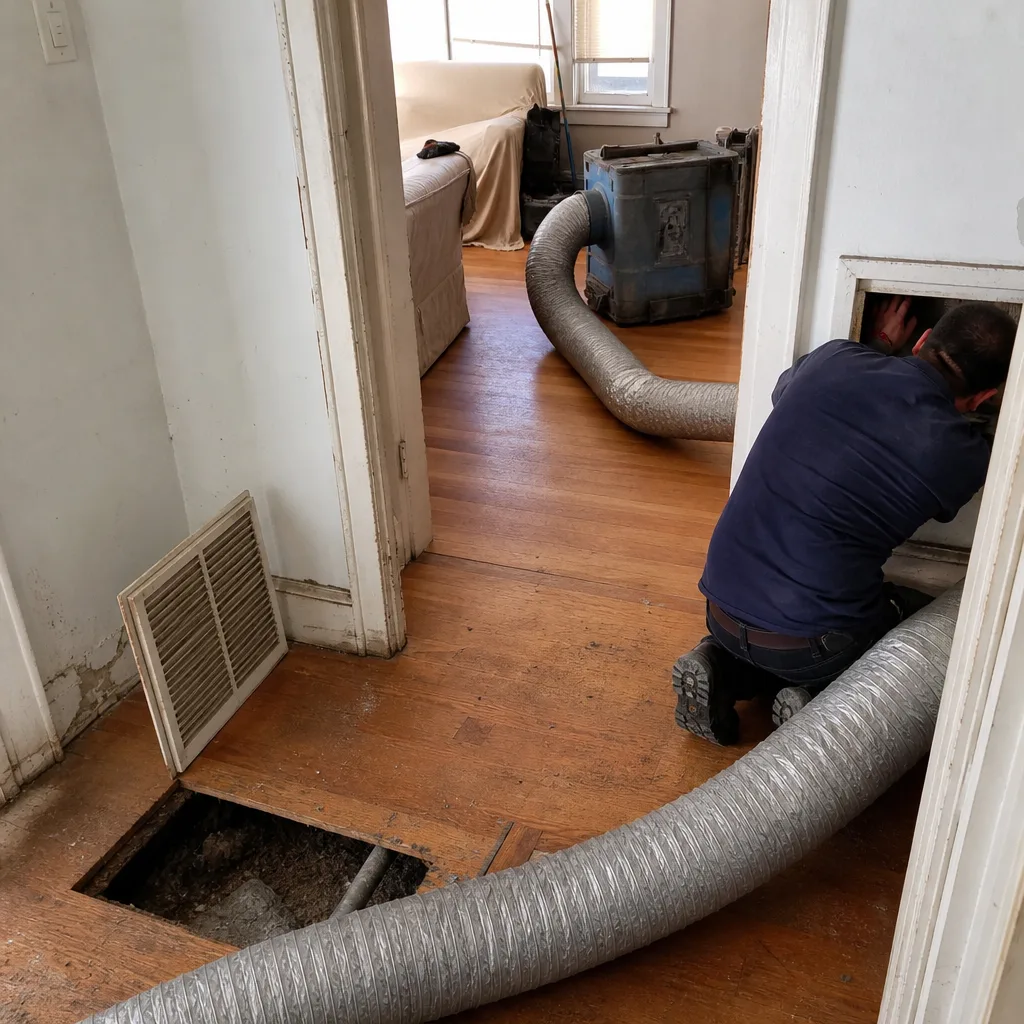 Before
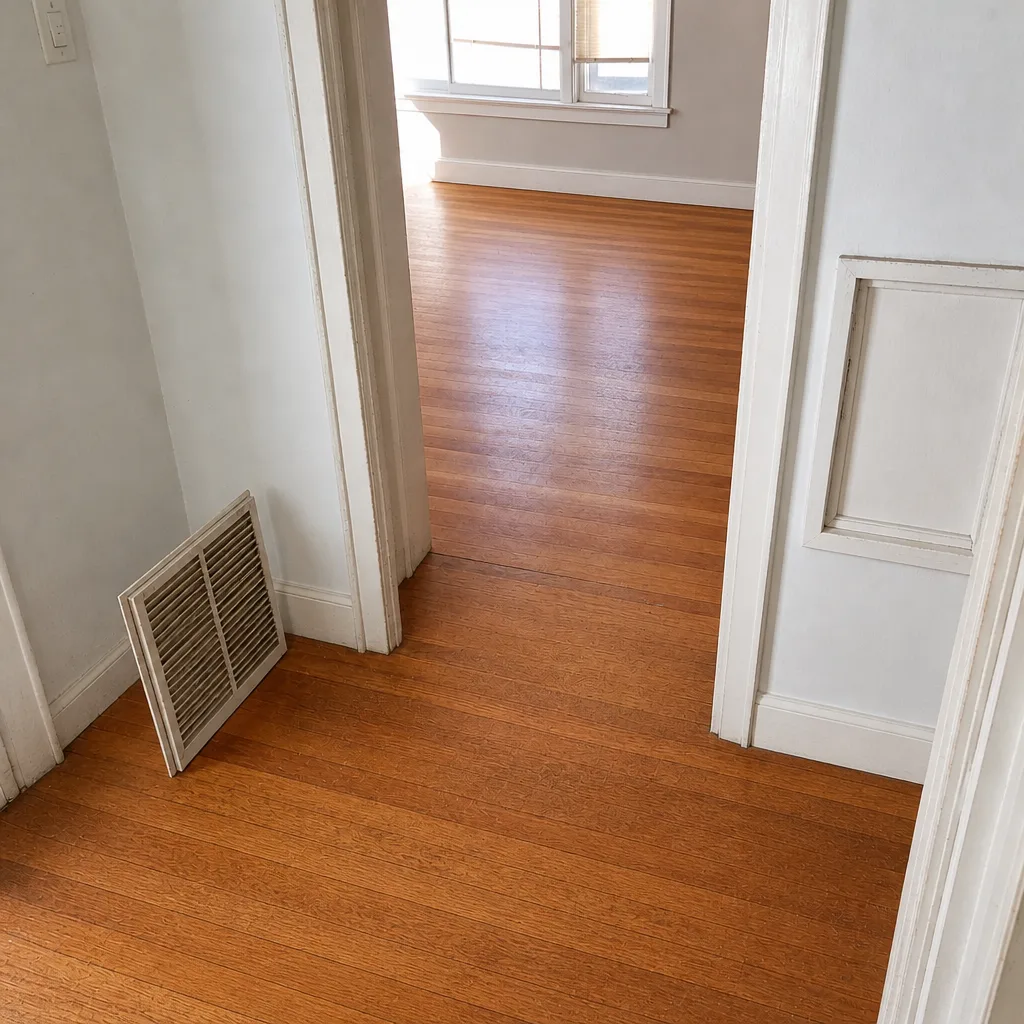 After
When to Call a Professional
Call a professional when you smell a musty or smoke odor that lingers after a filter change, when you see dark residue or streaking around the supply registers, when a smoke event left a visible soot layer or a loaded filter behind, or when you’ve never had the system inspected and the home is new to you. Also call if you’ve noticed dust settling back quickly after cleaning, higher energy bills with no obvious cause, or a system that runs longer for less cool air, because those often point to dust on the blower and coil or leaks in the duct runs. Air Duct Cleaning Silver Lake offers free estimates in Silver Lake: call (877) 492-0146. We answer 24/7. Fast dispatch from 7am to 7pm, Sunday through Friday.
Frequently Asked Questions
In Silver Lake, the schedule is driven by contamination events rather than a set number of years. A home that went through a heavy smoke window plus a damp marine layer season may need cleaning annually, while a well-sealed home with good filtration might go several years between cleanings. Watch the AQMD readings, keep an eye on your filters and inspect the registers; those three habits tell you when it’s actually needed far better than a fixed calendar. Call (877) 492-0146 for an inspection and estimate.
Pricing is set per system based on what the inspection finds, not per vent, so the written estimate you receive is the final price. That’s deliberate. A clean per-vent or coupon price usually becomes a larger invoice once the technician is on site, and duct work priced that way is being done without knowing how much contamination is actually in the system. Call (877) 492-0146 for a free estimate on your specific system.
Cheap quotes are typically built around a fixed price that assumes a small job and a light clean, and the difference gets made up on site once a bigger job appears. Ask what equipment will be used, how containment is handled, and whether repair and sealing are included. If the answer is vague, the low price was never going to be the real price. Call (877) 492-0146 for a flat price per system, agreed before work starts.
Ask for before-and-after photos of your own ducts, and look for evidence of proper containment and mechanical agitation rather than a vacuum hooked to one register. Our visits use professional-grade Rotobrush and Nikro equipment, not repurposed shop vacuums, and we photograph the work so you can see what came out and what the system looks like once it’s finished.
Yes, when the exposure was heavy, a loaded filter turned grey with soot, or a smoke smell lingers after you change the filter. Light exposure with a fresh filter and no odor usually only needs a filter change and a look at the registers. The determining question is whether particulate got past the filter and settled in the system, and an inspection answers that directly.
Mechanical cleaning with the right equipment for the duct material and construction is safe, and this is exactly why a professional inspection comes first. Older duct systems, including some flexible and fiberglass-lined runs, need the right contact pressure and brush type, and deteriorated sections should be repaired or sealed rather than agitated. When the inspection finds a weak section, we fix it as part of the visit.
The Bottom Line
The winning move in Silver Lake is to stop scheduling duct cleaning by season and start scheduling it by contamination phase. Clean and sanitize at the end of the marine layer season, clean into the front of the dry wind season, and clean after wildfire smoke windows, never before them. Use LA County AQMD readings to time filter changes and inspections, and treat repair and sealing as part of the fix rather than a separate add-on. Do that, and you’re servicing a real system on a real schedule instead of copying a calendar written for a different climate.
If it’s time to look at your system, call us for a free estimate. Call (877) 492-0146. We answer 24/7. Fast dispatch from 7am to 7pm, Sunday through Friday. We work with the local independent professionals who do the work, and the price is set per job by the written estimate, with before-and-after photos of your own ducts so you can see the result.
Written by the team at Air Duct Cleaning Silver Lake.